
Orange Blossom Honey vs Regular Honey: Which is Best for Gourmet Baking, Flavor Complexity, and Health Benefits?
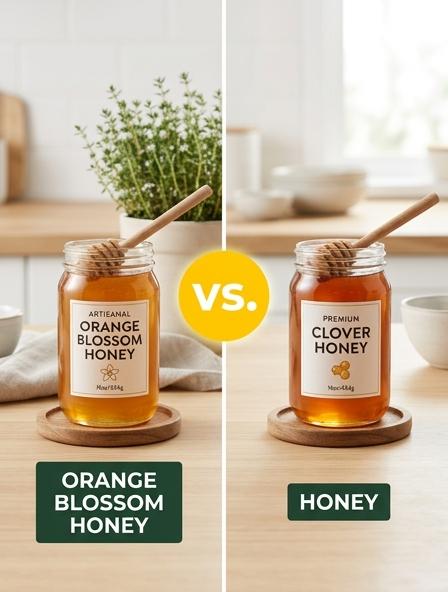
Flavor Profiles of Orange Blossom Honey and Standard Varieties
The primary distinction between orange blossom honey and standard varieties lies in their nectar sources and resulting sensory characteristics. Orange blossom honey is a monofloral type, celebrated for its light amber hue and unmistakable citrus undertones. Unlike generic honey, it carries a fragrant floral aroma reminiscent of blooming orange groves in springtime.
In contrast, standard honey varieties-such as clover or wildflower-offer a more generalized sweetness. While clover is mild and slightly grassy, wildflower honey (a polyfloral blend) can be quite robust and earthy. The differences are summarized below:
- Orange Blossom: Delicate, fruity, with a hint of citrus zest.
- Clover Honey: Mild, clean, and classic sugary finish.
- Wildflower Honey: Bold, complex, and highly variable based on region.
Many gourmet cooks love drizzling orange blossom honey over fresh ricotta or stirring it into herbal tea to add a refreshing, sun-drenched brightness to their snacks.
Heat Stability and Cooking Performance in the Home Kitchen
When comparing orange blossom honey to standard wildflower honey, heat stability is the primary factor for flavor retention. All honey acts as a humectant, providing moisture and aiding caramelization in baked goods. However, their performance under high temperatures varies significantly due to their volatile aromatic compounds.
- Orange Blossom Honey: Contains delicate citrus esters that dissipate at temperatures above 110°F, potentially losing its unique floral profile.
- Standard Honey: Generally more robust and stable, making it ideal for high-heat roasting, boiling, or long-duration baking.
In the kitchen, generic honey is the workhorse for structural baking and deep browning. Conversely, orange blossom honey is prized for precision cooking where the honey is added late in the process to preserve its bright, zesty aroma. You might choose to drizzle orange blossom honey over a warm goat cheese tartlet just before serving to ensure the sophisticated citrus notes remain the star of the dish.
Nutritional Differences Between Monofloral and Polyfloral Nectars
The nutritional profile of honey is fundamentally determined by its nectar source. Monofloral honey, such as orange blossom honey, is harvested from the nectar of a single plant species. This results in a concentrated concentration of specific phytochemicals, such as hesperetin and other citrus-based antioxidants. In contrast, polyfloral honey (often labeled as wildflower honey) is produced from various blossoms, offering a more diverse but less specialized range of minerals and enzymes.
- Monofloral: Rich in specific flavonoids and aromatic compounds unique to the host plant.
- Polyfloral: Contains a broad spectrum of pollen types, which may provide varied regional nutrients.
- Antioxidants: Orange blossom varieties are specifically noted for higher potassium and zinc levels compared to many generic blends.
Many gourmet cooks prefer drizzling orange blossom honey over a warm goat cheese tart to highlight its delicate citrus notes and specific health-boosting properties that standard polyfloral honey lacks.
Aroma Impact on Delicate Pastries and Infusions
The primary differentiator between generic honey and orange blossom honey is the complexity of their volatile aromatic compounds. While standard wildflower honey provides a dependable, earthy sweetness, orange blossom honey introduces a sophisticated floral bouquet with distinct citrus undertones. In delicate baking and infusions, these scent profiles dictate the sensory experience.
When choosing a sweetener for light recipes, consider these aromatic properties:
- Standard Honey: Offers a mild, waxy scent that serves as a neutral background sweetener.
- Orange Blossom Honey: Delivers a fragrant, perfume-like aroma that complements zest, cream, and botanical ingredients.
Because its scent is so refined, many pastry chefs prefer whisking orange blossom honey into a light chamomile tea glaze for lemon madeleines, where the citrus-floral steam instantly elevates the simple dessert into a professional-grade masterpiece.
Crystallization Tendencies and Texture in Storage
The primary difference in storage between orange blossom honey and generic honey lies in their chemical composition, specifically the glucose-to-fructose ratio. While all raw honey eventually undergoes a natural crystallization process, orange blossom honey is renowned for its high fructose levels, which act as a natural stabilizer to keep the honey liquid for extended periods.
- Orange Blossom Honey: Resists granulation, maintaining a smooth, viscous texture for a year or more.
- Standard Wildflower Honey: Often contains higher glucose, leading to faster formation of jagged crystals and a gritty mouthfeel.
Standard honey may turn solid and cloudy within weeks of opening, whereas orange blossom honey preserves its clarity and pourable consistency. Because of this resilience, home bakers love keeping a jar of orange blossom honey on the shelf for a perfectly smooth, gold-standard drizzle over fresh baklava or warm biscuits, even after months of storage.
Role of Citrus Flavor in Balancing Savory Meat Dishes
While standard wildflower honey provides a reliable, all-purpose sweetness, orange blossom honey offers a specific citrus-floral profile that acts as a sophisticated culinary tool. This natural acidity is crucial for balancing savory meat dishes, where it helps cut through the richness of animal fats and high-sodium seasonings.
Compared to regular honey, orange blossom honey brings a nuanced brightness that prevents the palate from feeling overwhelmed by heavy proteins. Its unique chemical composition offers several advantages for gourmet cooking:
- Palate Cleansing: The citrus notes provide a sharp counterpoint to deep umami flavors.
- Aromatic Depth: It layers scents of orange zest into the crust of roasted meats.
- Superior Caramelization: It creates a glaze that is fruity rather than cloying.
You can elevate a weekday pork tenderloin by applying an orange blossom honey and Dijon mustard glaze, creating a perfect equilibrium between the fatty meat and the bright, citrus-infused sweetness.
Moisture Retention and Structural Influence on Baked Goods
Honey acts as a natural humectant, significantly outperforming granulated sugar in moisture retention. This hygroscopic property ensures that baked goods remain soft and have a longer shelf life by attracting atmospheric water. While generic honey offers consistent moisture, orange blossom honey provides unique structural benefits due to its specific sugar profile and slightly higher acidity.
- Shelf Life: Both varieties delay starch retrogradation, keeping crumbs tender for longer periods.
- Browning: The fructose content in orange blossom honey accelerates the Maillard reaction, producing a rich, golden crust.
- Texture: Its acidic pH reacts efficiently with leavening agents like baking soda to create a fine, uniform air cell structure.
You will find that using orange blossom honey in a delicate citrus-based sponge cake creates a superior, velvety texture that stays moist and fragrant for days on your counter.
Color Depth and Visual Contrast in Food Presentation
The visual distinction between orange blossom honey and generic honey is a primary consideration for culinary aesthetics. Orange blossom honey is celebrated for its luminous, pale amber to light gold hue and exceptional clarity. In contrast, generic wildflower or forest honeys often possess a deeper, more opaque brown tone that can appear heavy or muddy on the plate. These differences in color depth determine how a sweetener interacts with other ingredients:
- Orange Blossom Honey: Provides a delicate, translucent shimmer that highlights bright ingredients.
- Generic Honey: Offers a rich, dark contrast that grounds earthy or rustic dishes.
Because of its clarity, the visual profile of orange blossom honey is essential for maintaining the vibrancy of a dish's natural colors. Imagine a chef drizzling this sun-kissed liquid over a stark white bowl of Greek yogurt topped with bright red pomegranate seeds to create a high-contrast, professional breakfast presentation.
Sourcing Standards and Processing of Natural Sweeteners
While standard honey typically originates from diverse wildflower sources-referred to as polyfloral-orange blossom honey is a distinct monofloral variety. Sourcing standards for orange blossom honey require apiaries to be strategically placed within citrus groves during the spring bloom to ensure the nectar's purity. In contrast, generic honey may be a blend of various regions and floral types.
Processing also dictates the quality of these natural sweeteners. Mass-market honey often undergoes high-heat pasteurization and ultra-filtration, while artisanal orange blossom honey is frequently kept raw to preserve its delicate citrus aromatics.
- Floral Origin: Orange blossom honey relies exclusively on citrus nectar.
- Harvesting: Limited to specific geographical regions like Florida or California.
- Consistency: Orange blossom is prized for its light color and slow crystallization.
Home chefs love drizzling the zesty, floral notes of raw orange blossom honey over a warm goat cheese crostini to create a sophisticated sweet-and-savory appetizer.
Health Properties and Glycemic Impact of Varietal Honey
While generic honey offers standard antibacterial benefits, varietal options like Orange Blossom Honey provide a specialized nutritional profile. Research indicates that monofloral honeys contain specific phytonutrients; Orange Blossom, for instance, is rich in hesperetin and kaempferol, antioxidants derived from citrus nectar that support immune health.
The glycemic impact also differs between sources. Because Orange Blossom Honey typically has a higher fructose-to-glucose ratio, it often possesses a lower glycemic index (GI) compared to highly processed commercial blends, leading to a more gradual rise in blood sugar.
- Orange Blossom: Rich in citrus-specific flavonoids and trace minerals like zinc.
- Generic Honey: Nutrient density varies significantly depending on the floral mix.
- Metabolic Effect: Varietal honeys often provide more sustained energy release.
Tea enthusiasts often choose a spoonful of Orange Blossom Honey for their morning Earl Grey to enjoy a subtle citrus lift and natural sweetness without the sharp glucose spike of white sugar.
Orange Blossom Honey vs Honey source and external links
- Orange blossom honey is a light, fragrant sweetener created by bees foraging in citrus groves, which is why many people enjoy the distinct taste of Orange Blossom Honey.
- Produced by honeybees from the nectar of flowers, Honey is a natural substance used globally for its unique flavor and medicinal properties.