
Oat Yogurt vs Yogurt: Which is Best for Culinary Performance, Digestive Health, and Environmental Impact?
Heat Resistance in Savory Cooking and Hot Sauces
When integrating yogurt into hot dishes like curries or creamy sauces, heat stability is the primary concern. Traditional dairy yogurt is notoriously temperamental; its proteins tend to denature and curdle when exposed to high temperatures, often requiring careful tempering or the addition of stabilizers to prevent separation.
In contrast, oat yogurt typically offers superior resilience under heat. Because it is starch-based rather than protein-dominant, it maintains a cohesive structure while simmering, although it may naturally thicken the sauce as the starches hydrate. This structural difference makes oat-based alternatives a reliable substitute for thickening savory recipes.
- Dairy Yogurt: High risk of curdling; best added at the very end of cooking.
- Oat Yogurt: Heat-stable and emulsifies well, though it may require extra thinning.
You can whisk oat yogurt directly into a bubbling spicy stew to achieve a velvety, rich texture without the fear of the sauce splitting or losing its creamy appeal.
Nutritional Value Comparison for Household Health
Choosing between oat yogurt and dairy yogurt depends on your family's specific dietary goals. Traditional dairy yogurt is a nutritional powerhouse, offering high-quality animal protein, calcium, and natural probiotics essential for bone health. Conversely, oat yogurt serves as a heart-healthy, plant-based alternative. While it typically contains less protein, it provides beneficial beta-glucan fiber and is often fortified with Vitamin D and B12 to match dairy's profile.
| Feature | Dairy Yogurt | Oat Yogurt |
|---|---|---|
| Key Nutrient | High Protein & Calcium | Soluble Fiber (Beta-glucan) |
| Dietary Profile | Contains Lactose | Vegan & Nut-Free |
For a quick morning boost, eco-conscious parents often choose fortified oat yogurt to provide their lactose-intolerant children with a creamy, fiber-rich breakfast that supports digestion throughout the school day.
Mouthfeel and Creaminess in Cold Breakfast Dishes
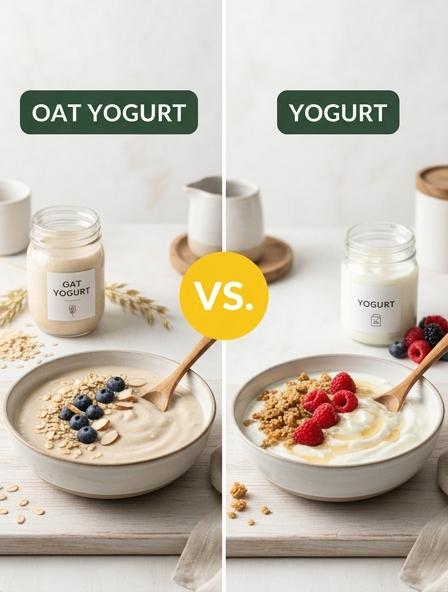
The choice between oat yogurt and dairy yogurt fundamentally alters the texture of cold breakfast bowls. Traditional dairy yogurt, especially Greek or Skyr varieties, is prized for its dense, velvety richness and structural integrity, which comes from animal fats and concentrated proteins. In contrast, oat yogurt typically offers a lighter, silkier mouthfeel. While it lacks the heavy "cling" of dairy, its starch-based profile provides a smooth, fluid consistency that mimics cream without the saturated fat.
- Dairy Yogurt: Thick, glossy, and provides a rich coating on the palate.
- Oat Yogurt: Silky and slightly thinner, with a clean, cereal-like finish.
- Thickened Plant Options: Often use pectin or gums to bridge the creaminess gap.
Many people find that the natural sweetness of oat yogurt blends beautifully into chilled overnight oats, while those craving a decadent, custard-like experience often prefer a heavy dollop of full-fat dairy yogurt atop their morning fruit parfaits.
Ecological Impact of Grain Based vs Animal Based Production
The environmental footprint of yogurt depends heavily on its primary source. Grain-based production, such as oat yogurt, typically utilizes natural resources more efficiently than animal-based dairy systems. Livestock farming is a major contributor to methane emissions and requires vast tracts of land for grazing and feed crops, whereas oats thrive with significantly lower inputs.
- Greenhouse Gases: Oat yogurt production generates up to 70% fewer emissions than traditional dairy.
- Water Conservation: Dairy processing requires roughly six times more water per kilogram than grain alternatives.
- Land Use: Transitioning to plant-based grains preserves biodiversity by reducing the need for land clearing for cattle.
Eco-conscious breakfast lovers often prefer a creamy oat yogurt parfait topped with hemp seeds and fresh berries to start their day with a smaller carbon footprint.
Performance in Oven Baking and Flour Based Recipes
In the realm of baking, dairy yogurt and oat yogurt offer distinct structural benefits. Traditional dairy yogurt is prized for its lactic acid, which reacts with baking soda to create a light, airy crumb and superior leavening. Conversely, oat yogurt relies on its starch content and added thickeners to provide moisture and binding power in plant-based recipes.
- Moisture: Both excel at keeping cakes and muffins hydrated.
- Structure: Dairy yogurt provides more protein-based lift, while oat yogurt can yield a slightly denser, fudgy result.
- Browning: The natural sugars in oat yogurt often lead to faster caramelization of the crust.
Home bakers often prefer swapping in oat yogurt when crafting allergy-friendly pancakes, finding that it produces a velvety batter and a satisfyingly soft, golden-brown finish that families love for Sunday brunch.
Satiety Levels and Protein Content for Daily Wellness
When comparing oat yogurt versus traditional dairy yogurt, protein density is the most significant factor affecting satiety. Dairy yogurt, particularly Greek-style, is a powerhouse of high-quality protein, which triggers hormones that signal fullness to the brain. In contrast, oat yogurt is naturally lower in protein but provides beta-glucan, a soluble fiber that slows digestion and stabilizes blood sugar levels.
- Dairy Yogurt: High protein content (approx. 10-15g per serving) for muscle repair and long-term hunger control.
- Oat Yogurt: Higher fiber content (approx. 2-3g per serving) supporting digestive health and steady energy release.
To maximize wellness, many consumers look for fortified oat varieties that bridge the protein gap. You might reach for a protein-packed Greek yogurt to stay fueled through a busy morning or choose a creamy oat yogurt when you want a light, plant-based snack that is gentle on your stomach before a yoga session.
Taste Profiles in Sweetened and Unsweetened Applications
The flavor disparity between oat and dairy yogurt is most evident in their base acidity. Traditional dairy yogurt possesses a sharp, lactic tang caused by fermentation. Unsweetened versions are notably tart, while sweetened varieties use sugar to balance this natural zing. Oat yogurt, however, has a milder, grain-forward profile with an earthy undertone and a subtle natural sweetness resulting from the enzymatic breakdown of starches.
- Unsweetened: Dairy is pungent and acidic; Oat is mellow with a toasted cereal finish.
- Sweetened: Dairy achieves a high-contrast "sweet and sour" effect; Oat yields a smooth, dessert-like richness that complements warm spices.
Because oat yogurt lacks the aggressive bite of cow's milk, it serves as a neutral canvas for fruit and botanicals. You might choose the sharp punch of unsweetened Greek yogurt for a savory cucumber tzatziki, but reach for a sweetened vanilla oat yogurt when you want a velvety, cookie-dough-like base for your breakfast granola.
Gut Health Characteristics and Digestive Ease
Comparing oat yogurt and dairy yogurt reveals distinct pathways to digestive wellness. Traditional dairy yogurt is a powerhouse of probiotics and bioavailable protein, yet its lactose content can trigger bloating or discomfort for those with sensitivities. In contrast, oat yogurt is naturally lactose-free and hypoallergenic, making it a soothing alternative for a sensitive gut.
While both products typically contain live active cultures to support the microbiome, oat-based versions offer a unique advantage: beta-glucan. This soluble fiber acts as a prebiotic, nourishing beneficial bacteria.
- Dairy Yogurt: Rich in Lactobacillus; contains lactose which may cause digestive lag.
- Oat Yogurt: Contains prebiotic fiber; easier to digest for plant-based diets.
- Commonality: Both are frequently fortified with Vitamin D and B12 to enhance nutritional value.
You might reach for a smooth bowl of oat yogurt topped with flaxseeds when you want a light, bloat-free breakfast that keeps your digestion steady throughout a busy workday.
Binding Strength in Cold Dressings and Marinades
Understanding the binding strength of oat yogurt versus traditional dairy yogurt is essential for achieving the perfect culinary texture. Dairy yogurt, particularly Greek varieties, contains a dense matrix of casein proteins. These proteins act as powerful emulsifiers, allowing the yogurt to "grip" ingredients and maintain a thick, stable consistency even when mixed with acidic vinegars or citrus juices.
Oat yogurt typically relies on hydrolyzed starches and added stabilizers like guar gum or pectin. While it provides a smooth mouthfeel, its binding capacity is generally lower than dairy, leading to a thinner profile in cold applications.
- Dairy Yogurt: High protein density ensures heavy dressings cling to vegetables without separating.
- Oat Yogurt: Lighter starch profile makes it ideal for fluid, pourable sauces and low-fat marinades.
You might choose a dollop of Greek yogurt for a thick, stable coleslaw binder, but you will likely prefer oat yogurt when whisking together a light, zesty herb drizzle that flows effortlessly over grilled kebabs.
Storage Stability and Freshness in Home Refrigerators
Maintaining the quality of oat yogurt versus traditional dairy yogurt depends largely on their unique compositions. Dairy yogurt relies on a stable protein matrix and lactic acid for preservation, while oat yogurt utilizes fermented starches and added stabilizers to maintain its texture. In a standard home refrigerator, both products should be kept at or below 40°F to inhibit microbial growth.
- Dairy Yogurt: Often exhibits "wheying off" (syneresis), where a thin liquid layer forms on top, though it remains safe to stir back in.
- Oat Yogurt: Tends to remain more homogenous due to thickeners, but can lose its creamy mouthfeel if exposed to frequent temperature fluctuations.
Properly sealing the lid after every use is vital to prevent these plant and dairy bases from absorbing pungent odors like onions or leftovers. Health-conscious professionals often prefer pre-portioned oat yogurt tubs for their weekly meal prep because they retain a consistent, velvety texture from Monday through Friday without separating.
Oat Yogurt vs Yogurt source and external links
- Oat yogurt is a dairy-free, fermented product made from an oat base, as described on the page for Oat Yogurt.
- Yogurt is a nutrient-dense food produced by the bacterial fermentation of milk, which is detailed in the entry for Yogurt.