
Mung Bean Noodles vs Ramen : Are They The Same? Nutrition, Texture, and Gluten-Free Differences
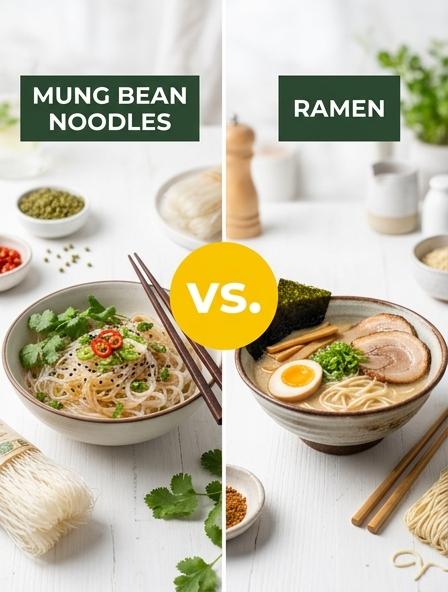
Nutritional comparison of bean starch and wheat flour varieties
The primary nutritional difference between mung bean noodles and ramen lies in their base ingredients: legume starch versus cereal grain. Mung bean noodles are derived from mung bean starch, making them naturally gluten-free and lower on the glycemic index. This results in a slower release of energy compared to the rapid carbohydrate digestion found in wheat-based ramen.
While ramen provides a higher protein content due to the wheat gluten, it often carries a higher caloric load and more sodium, especially in instant varieties. Below is a quick comparison of their profiles:
- Mung Bean Noodles: Fat-free, gluten-free, and rich in resistant starch for gut health.
- Wheat Ramen: Higher in B-vitamins and plant-based protein, but contains gluten and more complex carbohydrates.
Health-conscious foodies often reach for mung bean noodles when preparing a light, chilled Thai glass noodle salad to stay energized without the heavy bloating associated with traditional pasta.
Textural differences in hot broth and cold salad applications
The mouthfeel of mung bean noodles versus ramen is fundamentally shaped by their composition: legume starch versus wheat flour. These materials respond differently to temperature, significantly altering the dining experience.
- In Hot Broths: Mung bean noodles become translucent, silky, and slightly gelatinous, acting as a slippery vessel for flavors. Ramen provides a firm, elastic "bite" and a hearty density that stands up to rich, fatty soups without dissolving.
- In Cold Salads: Mung bean noodles are prized for their refreshing, springy snap and ability to stay light and separate. Cold ramen offers a chewy, substantial texture that provides a more filling, doughy base for savory dressings.
Health-conscious foodies often prefer the light, bouncy texture of mung bean noodles in a chilled lime-dressed salad, whereas those seeking a soul-warming meal favor the chewy resistance of ramen in a bubbling miso broth.
Caloric impact and dietary fiber in dried pantry staples
When comparing mung bean noodles and ramen, the nutritional profile varies significantly based on processing. Mung bean noodles, often called glass noodles, are made from legume starch and offer a lower caloric density, typically averaging 160-190 calories per dry serving. However, because they are composed of refined starch, their dietary fiber content is negligible.
In contrast, standard instant ramen is often flash-fried during manufacturing, significantly increasing its caloric impact to over 350 calories per package. While wheat-based ramen provides more protein, both options are generally low in fiber unless whole-grain varieties are used.
| Nutrient (Dry) | Mung Bean Noodles | Instant Ramen |
|---|---|---|
| Calories | Lower (~170 kcal) | Higher (~380 kcal) |
| Fiber | Minimal | Low to Moderate |
You might reach for mung bean noodles when crafting a light, gluten-free summer salad, whereas ramen remains the classic choice for a dense, soul-warming bowl of noodle soup.
Preparation speed and soaking requirements for busy cooks
Choosing between mung bean noodles and ramen often comes down to your kitchen workflow and available time. Ramen is designed for speed, typically requiring three to five minutes of active boiling to reach the perfect al dente texture. Conversely, mung bean noodles-also known as glass noodles-frequently utilize a passive rehydration method. While they cook in seconds in boiling water, many chefs prefer soaking them in warm water to maintain their signature elastic snap.
- Ramen: No soaking required; direct boiling takes 2–5 minutes.
- Mung Bean Noodles: Passive soaking takes 10–15 minutes; boiling takes only 30–60 seconds.
You might prefer the convenience of mung bean noodles when multitasking, as they can soften in a bowl of water while you focus entirely on chopping vegetables or searing protein for a balanced stir-fry.
Digestive comfort and gluten levels in common Asian strands
When comparing mung bean noodles and ramen, the primary distinction lies in their base ingredients and impact on the gut. Ramen is traditionally crafted from wheat flour, making it high in gluten. While gluten provides that signature "chewy" texture, it can lead to bloating or digestive discomfort for those with sensitivities.
In contrast, mung bean noodles-often called glass noodles-are made from legume starch. They are naturally gluten-free and generally easier for the body to process. Because they lack the dense protein structure of wheat, they offer a lighter alternative for sensitive stomachs.
- Ramen: Contains gluten; high glycemic index; wheat-based.
- Mung Bean: Gluten-free; lower glycemic load; legume-based starch.
Health-conscious diners often swap traditional wheat ramen for mung bean strands in a late-night stir-fry to enjoy a satisfying meal without the heavy, lethargic feeling that often follows a gluten-rich bowl.
Seasoning Absorption and Flavor Carry in Stir Fry Dishes
The choice between mung bean noodles and ramen significantly impacts how a stir fry delivers flavor. Mung bean noodles, also known as glass noodles, are highly porous starch filaments that act like culinary sponges. They excel at deep seasoning absorption, drawing sauces into their core until they become translucent and heavy with flavor.
In contrast, ramen noodles are wheat-based and have a denser protein structure. Rather than soaking up liquids, they rely on surface tension to carry sauces. This creates a distinct contrast between the noodle's nutty grain profile and the exterior glaze.
- Mung Bean Noodles: Best for thin, high-intensity sauces (soy, fish sauce, lime).
- Ramen: Best for viscous, oil-based, or clingy sauces (miso, garlic butter, chili oil).
Home chefs often prefer mung bean noodles for a spicy Pad Woon Sen to ensure every strand is fully saturated with tangy tamarind and heat.
Visual Aesthetics and Transparency for Plated Meal Presentation
The visual distinction between mung bean noodles and ramen is immediately apparent upon plating. Mung bean noodles, frequently called "glass noodles," are prized for their remarkable translucency. When cooked, they become nearly clear, offering a crystalline, delicate aesthetic that feels light and modern. In contrast, ramen noodles are characterized by their opacity, ranging from creamy white to vibrant yellow, providing a dense and substantial visual foundation.
- Mung Bean Noodles: Transparent and glossy, they take on the vibrant colors of sauces and surrounding ingredients.
- Ramen: Opaque and textured, these noodles maintain their own color, creating a bold contrast against dark broths.
While ramen's thick, matte strands communicate traditional comfort and heartiness, the ethereal quality of mung bean noodles adds a sophisticated, jewel-like finish to a dish.
Food stylists often prefer mung bean noodles for summer rolls or stir-frys because their clear strands allow the bright pink of shrimp and the deep green of scallions to pop through visually.
Storage longevity and shelf life of household dry goods
When stocking a pantry, understanding the preservation differences between mung bean noodles and ramen is essential for minimizing waste. Mung bean noodles, or glass noodles, are composed primarily of starch and water, making them incredibly resistant to spoilage if kept dry. Conversely, instant ramen often undergoes a deep-frying process or contains wheat fats that can eventually turn rancid due to oxidation.
| Noodle Type | Main Ingredient | Estimated Shelf Life |
|---|---|---|
| Mung Bean | Starch | 3 to 5+ years |
| Instant Ramen | Wheat and Oil | 6 to 12 months |
Proper storage in airtight containers away from moisture and direct sunlight ensures these staples maintain their structural integrity and flavor profile over time. You will appreciate the resilience of mung bean noodles during a busy week when you find a perfectly preserved pack in the back of your cupboard, ready for a crystal-clear, refreshing stir-fry.
Satiety and Energy Density for Balanced Family Portions
When balancing family nutrition, understanding energy density is key. Mung bean noodles, often called glass noodles, offer high satiety with a lower caloric load. Because they are composed of legume starch, they absorb significant water and provide a slow release of energy, helping family members feel full longer. Conversely, traditional wheat ramen is more energy-dense; while it provides a quick fuel source, it contains more calories per gram and can lead to overconsumption before the body signals fullness.
- Mung Bean Noodles: High volume-to-calorie ratio, ideal for light but filling dinners.
- Ramen: High carbohydrate density, better suited for high-activity recovery.
To keep the dinner table healthy, many parents swap ramen for mung bean noodles in vegetable-heavy stir-fries, ensuring the kids feel completely satisfied after soccer practice without the heavy "carb-slump" common after a large bowl of wheat pasta.
Performance and structural integrity under high heat cooking
Mung bean noodles and ramen exhibit distinct physical reactions when subjected to intense heat. Ramen, composed of wheat flour and alkaline salts, relies on a robust gluten network. This structure allows it to withstand prolonged boiling and high-surface temperatures while maintaining a firm, elastic "bite." Conversely, mung bean noodles are starch-based and undergo gelatinization, becoming translucent. While they appear delicate, their structural integrity is unique; they resist turning into mush during quick, high-heat sautéing if properly hydrated.
- Ramen: High thermal stability; best for searing, charring, and heavy tossing.
- Mung Bean Noodles: Excellent tensile strength; ideal for absorbing sauces without breaking apart.
Home cooks often reach for mung bean noodles when preparing a rapid, high-heat stir-fry, valuing how the transparent strands soak up savory broths while remaining remarkably springy and intact.
Mung Bean Noodles vs Ramen source and external links
- Mung Bean Noodles are translucent, gluten-free threads made from starch that are commonly used in various Asian soups and stir-fry dishes.
- Ramen is a popular Japanese soup dish consisting of wheat noodles served in a rich broth with various savory toppings like sliced pork and green onions.