
Meyer Lemon vs Yuzu: Which is Best for Baking, Seafood Dishes, and Aromatic Zest?
Deciding between the floral sweetness of a Meyer Lemon and the bold, complex tartness of Yuzu can transform your culinary creations. Meyer Lemons, a hybrid of lemons and mandarins, offer a mellow acidity perfect for delicate cakes and creamy tarts. In contrast, the Japanese Yuzu provides an explosive, aromatic zest that elevates seafood crudo and sophisticated pastries with its distinct lime-grapefruit profile. Whether you're whisking together a citrus curd or finishing a grilled sea bass, understanding these nuances ensures your dishes pop. While Meyer Lemons provide a subtle, sunny warmth, Yuzu delivers an exotic, sharp brightness that makes it the ultimate choice for high-impact aromatic zest.
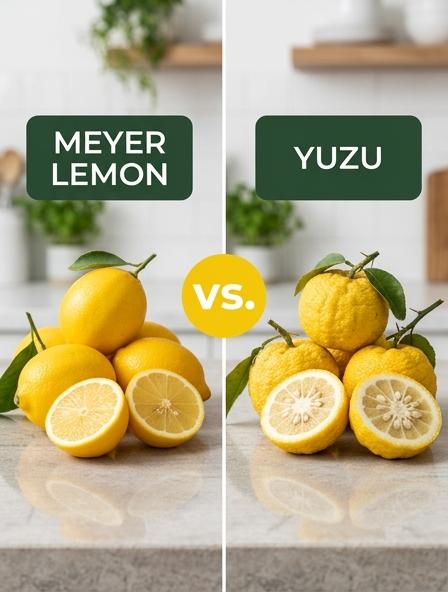
Acidity and Sweetness Levels in Meyer Lemon and Yuzu
Meyer lemons and yuzu offer distinct flavor profiles based on their sugar-to-acid ratios. Meyer lemons, a cross between a standard lemon and a mandarin orange, are significantly sweeter and less acidic than traditional varieties. Conversely, yuzu is characterized by its sharp, intense acidity and low sugar content, providing a complex flavor often described as a mix of grapefruit, lime, and bergamot.
| Characteristic | Meyer Lemon | Yuzu |
|---|---|---|
| Sweetness | High (Mild & Floral) | Low (Dry & Tart) |
| Acidity | Low to Moderate | Very High |
You might choose the mellow Meyer lemon for a delicate curd or lemonade, while yuzu is the perfect choice when you want a punchy, aromatic zest to brighten a bowl of ramen or a cocktail.
Aromatic Zest Profiles of Meyer Lemon and Yuzu
The aromatic signatures of Meyer lemon and Yuzu zest are determined by their unique essential oil compositions. Meyer lemon zest, derived from a hybrid of a citron and a mandarin, offers a sophisticated, floral fragrance with subtle herbal undertones and a honey-like sweetness. In contrast, Yuzu zest is renowned for its intense, complex pungency, projecting a sharp profile that blends notes of grapefruit, lime, and green mandarin with a distinct resinous finish.
- Meyer Lemon: Delicate and floral; provides a soft, rounded citrus aroma.
- Yuzu: Highly volatile and pervasive; delivers a sharp, exotic, and woodsy punch.
While the Meyer lemon is prized for its accessibility and mildness, the Yuzu is celebrated for its ability to cut through heavy flavors with its high aromatic concentration.
You might zest a Meyer lemon over fresh ricotta for a breezy summer brunch, but you will crave the electric, pine-forward scent of Yuzu when crafting a high-end ponzu sauce or an artisanal cocktail.
Culinary Performance of Meyer Lemon and Yuzu in Baking
Choosing between these citrus varieties depends on the desired intensity and flavor balance within a recipe. Meyer lemons, a mandarin hybrid, offer a mellow sweetness and lower acidity, making them incredibly versatile for standard desserts. In contrast, Yuzu provides an assertive, complex pungency with distinct herbal undertones and a powerful aroma that survives high heat better than most citrus.
- Meyer Lemon: Best for custards, tarts, and pound cakes where a subtle, floral profile is preferred.
- Yuzu: Ideal for macaron fillings, high-end ganaches, or glazes that require a sharp, sophisticated, and exotic bite.
While Meyer lemons are prized for their thin skins and high juice yield, Yuzu is cherished for the potent essential oils concentrated in its rind. Home cooks love whisking vibrant Meyer juice into a silky curd to create a bright, approachable tart that perfectly captures the delicate essence of spring in every spoonful.
Nutritional benefits and antioxidant properties of Meyer Lemon and Yuzu
Both Meyer lemons and yuzu are citrus powerhouses packed with immune-boosting Vitamin C and health-promoting antioxidants. While they share common citrus traits, their nutritional profiles offer unique biological advantages:
- Meyer Lemon: A hybrid providing a concentrated source of flavonoids like hesperidin, which supports cardiovascular health and skin vitality.
- Yuzu: Contains significantly higher Vitamin C levels than standard lemons and rare polyphenols such as nomilin, known for its anti-inflammatory properties.
These fruits utilize organic acids and volatile oils to combat oxidative stress and improve metabolic function. Their phytonutrients are essential for neutralizing free radicals, making them functional dietary staples for natural wellness. Imagine squeezing fresh Meyer lemon over a kale salad to enhance iron absorption, or adding yuzu zest to a warm winter tea for a potent, aromatic immunity defense that people absolutely love during flu season.
Flavor Impact of Meyer Lemon and Yuzu on Seafood Dishes
Choosing between Meyer lemon and yuzu can transform the character of seafood. Meyer lemons, a cross between a lemon and a mandarin, provide a mild, floral sweetness and lower acidity. This makes them ideal for delicate proteins that require a gentle touch. In contrast, yuzu delivers a potent, aromatic zest with high acidity and notes of grapefruit, perfect for balancing rich, fatty textures.
- Meyer Lemon: Enhances mild white fish like halibut or flaky cod with subtle herbal notes and low-acid brightness.
- Yuzu: Cuts through the oiliness of mackerel or adds a complex, sharp zing to raw tuna tartare.
Many food enthusiasts love finishing a plate of pan-seared scallops with a splash of yuzu juice to provide a sharp, professional-grade acidity that elevates the entire meal.
Essential oil concentration in Meyer Lemon and Yuzu peels
The aromatic profile of citrus is dictated by the density of oil glands within the flavedo. Yuzu is renowned for having a significantly higher concentration of essential oils compared to the Meyer Lemon. While the Meyer Lemon-a hybrid of a citron and a mandarin/pomelo-offers a delicate, herbal-floral scent, the Yuzu possesses a thick, bumpy rind packed with volatile compounds like yuzunone and yuzuol.
- Yuzu: High oil yield with a pungent, complex aroma that blends grapefruit, lime, and mandarin notes.
- Meyer Lemon: Moderate oil concentration characterized by a sweeter, milder scent with subtle hints of bergamot.
The structural difference is evident during extraction; Yuzu peels release a potent fragrance that can permeate a room instantly. Professional perfumers often select Yuzu for its long-lasting top notes, while home chefs love zesting a Meyer Lemon over fresh ricotta to add a bright, honey-like sweetness without the aggressive bite of traditional lemons.
Juice yield and flavor concentration of Meyer Lemon and Yuzu
The primary difference between Meyer lemons and Yuzu lies in the balance of liquid volume versus aromatic potency. Meyer lemons are highly efficient, featuring thin skins that house a generous juice yield with a mild, floral sweetness. Conversely, Yuzu fruits are notoriously pithy and filled with seeds, resulting in a significantly lower juice output per fruit.
| Feature | Meyer Lemon | Yuzu |
|---|---|---|
| Juice Volume | High | Low |
| Acidity | Moderate/Sweet | Sharp/Intense |
| Concentration | Subtle floral | Powerful aromatics |
While Meyer lemons provide the bulk liquid needed for baking, Yuzu offers an unmatched flavor concentration where a small amount delivers complex notes of grapefruit and green mandarin. You might prefer the abundant juice of a Meyer lemon for a large batch of lemonade, but choose the intense essence of Yuzu to elevate a premium cocktail or a delicate seafood crudo.
Structural Differences in Meyer Lemon and Yuzu Rind Texture
The external anatomy of Meyer lemons and Yuzu reveals distinct physical adaptations. Meyer lemons feature a signature smooth, thin, and delicate skin that feels almost oily to the touch. Because the rind is so fine, it lacks a heavy, bitter white pith, making the entire fruit nearly edible from skin to flesh.
Conversely, the Yuzu fruit is defined by its rugged, uneven, and bumpy texture. Its rind is significantly thicker and more loosely bound to the internal segments, containing oversized oil sacs that release a potent fragrance when handled. These structural variations impact how each fruit is processed in the kitchen:
- Meyer Lemon: Silky, porous skin that is easy to zest finely.
- Yuzu: Leathery, dimpled exterior that provides a robust, aromatic crunch.
You might prefer the Meyer lemon's thin zest for a delicate pastry glaze, or reach for the pebbly Yuzu rind when you need a punchy, fragrant infusion for a traditional Japanese ponzu sauce.
Storage Longevity and Shelf Life of Meyer Lemon and Yuzu
Meyer lemons feature thin, edible rinds and high moisture content, making them significantly more delicate than standard lemons. They typically remain fresh for one week at room temperature or up to three weeks when refrigerated. In contrast, Yuzu possesses a thicker, more textured zest that provides slightly better structural protection, though its prized aromatic oils begin to dissipate quickly after harvest.
| Citrus Variety | Room Temp Life | Refrigerated Life |
|---|---|---|
| Meyer Lemon | 5–7 Days | 2–3 Weeks |
| Yuzu | 7–10 Days | 3–4 Weeks |
To maximize the lifespan of both fruits, store them in a sealed bag within the refrigerator's crisper drawer to prevent dehydration. You might prefer freezing the zest and juice of your Yuzu in individual portions to capture its fleeting, floral fragrance for use in recipes throughout the entire year.
Visual presentation and aesthetic influence of Meyer Lemon and Yuzu in cooking
The visual appeal of citrus often dictates the final plating of a dish. Meyer lemons provide a polished, sophisticated aesthetic with their smooth, thin, deep-yellow skins that often lean toward an orange hue. Conversely, Yuzu offers a rustic and artisanal charm, defined by its bumpy, thick rind and slightly irregular shape. These differences significantly influence culinary aesthetics and garnish selection:
- Meyer Lemon: Sleek, glossy surface; ideal for elegant garnishes and translucent slices.
- Yuzu: Textured, matte finish; perfect for adding a rugged, exotic feel to a presentation.
Chefs often choose a Meyer lemon zest for a refined, uniform sprinkle over delicate pastries, while home cooks love using a thick, uneven Yuzu twist to give a rustic Japanese-inspired cocktail a more authentic and fragrant visual signature.
Meyer Lemon vs Yuzu source and external links
- The Meyer lemon is a hybrid citrus fruit known for its thin skin and sweeter, less acidic profile compared to standard lemons. Learn more about the Meyer lemon here.
- Yuzu is a highly aromatic citrus fruit primarily used in East Asian cuisine for its tart juice and fragrant zest. You can find detailed information about Yuzu online.