
Meyer Lemon vs Lemon : Comparing Flavor, Texture, and Culinary Application Differences
Acidity Levels and Flavor Profiles in Citrus Varieties
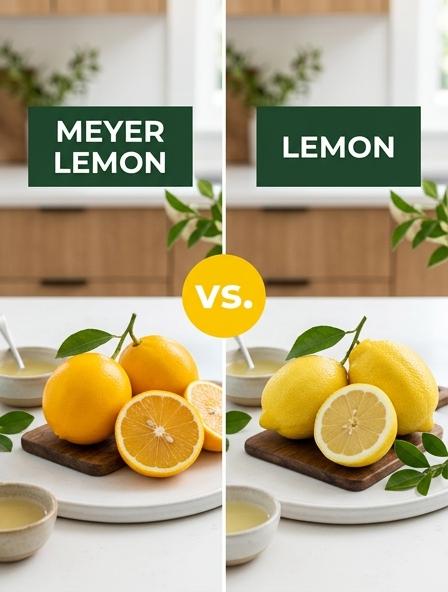
The primary distinction between a standard lemon and a Meyer lemon lies in their chemical composition and flavor complexity. Traditional lemons, like the Eureka variety, offer high acidity and a sharp, bright tang that cuts through heavy fats. Meyer lemons, a hybrid cross between a lemon and a mandarin orange, feature a much lower acidity profile and a distinctively floral, sweet aroma.
| Feature | Standard Lemon | Meyer Lemon |
|---|---|---|
| Acidity | High / Sharp | Low / Mellow |
| Flavor | Acidic & Zesty | Floral & Sweet |
| Skin | Thick / Textured | Thin / Smooth |
Because of its natural sweetness and edible thin skin, many home bakers prefer using the Meyer lemon when crafting a sophisticated citrus tart that requires a nuanced, aromatic finish without the aggressive bite of traditional juice.
Skin Texture and Zest Performance in Baking Applications
The physical composition of the peel is the primary differentiator between these two citrus varieties. Standard lemons, such as Eureka or Lisbon, have thick, pebbly rinds with a deep layer of bitter white pith. This makes them easy to zest vigorously. In contrast, Meyer lemons possess a smooth, paper-thin skin with very little pith, requiring a delicate touch during preparation.
- Standard Lemon: Robust, oily zest with a sharp, acidic punch.
- Meyer Lemon: Fragile rind with a sweet, floral, and herbal aroma.
While regular lemon zest provides the classic "zing" in tarts and bars, Meyer zest adds a complex perfume that integrates seamlessly into light sponges. You might reach for the Meyer lemon when zesting a delicate panna cotta, ensuring a soft, floral aroma that complements the cream without the harsh acidity of a standard rind.
Natural Sugar Content and Sweetness Variance in Fruits
The primary distinction between Meyer lemons and standard lemons lies in their genetic heritage and chemical composition. Meyer lemons are a hybrid cross between a traditional citron and a mandarin orange, which naturally endows them with a higher sugar-to-acid ratio. While standard Eureka or Lisbon lemons are prized for their sharp, mouth-puckering acidity, Meyer lemons offer a milder, floral flavor profile.
- Meyer Lemon: Lower acidity, high natural sugars, and a deep orange-yellow pulp.
- Standard Lemon: High citric acid, lower sugar content, and a bright yellow, thick zest.
This variance affects how these fruits behave in culinary applications, particularly in baking where the natural sweetness of the Meyer variety can reduce the need for supplemental refined sugars. You might choose a Meyer lemon when crafting a delicate glaze for shortbread or a refined curd where you want a smooth, aromatic citrus finish rather than an intense, tart bite.
Juice Concentration and Liquid Yield in Recipes
When comparing Meyer lemons to standard varieties like Eureka or Lisbon, the most significant functional difference lies in juice volume and acidity levels. Meyer lemons possess a much thinner rind and minimal pith, allowing them to yield more liquid per fruit than their thicker-skinned counterparts. However, their juice is less concentrated in terms of "sourness" because they are a hybrid of a lemon and a mandarin orange.
- Meyer Lemon: Higher juice yield, lower acidity, and a sweeter, floral flavor profile.
- Regular Lemon: Moderate juice yield, high citric acid concentration, and a sharp, pungent tartness.
Because Meyer lemons are less acidic, you may need to reduce added sugars or increase the volume of juice used to achieve the desired tang. Home cooks love using the abundant, mellow juice of Meyer lemons to create silky lemon curds that don't require excessive sugar to balance the fruit's natural brightness.
Aromatic Intensity and Fragrance Impact in the Kitchen
The olfactory profile of a citrus fruit significantly influences the final dish. While standard lemons provide a sharp, bracing, and purely acidic scent, Meyer lemons offer a more complex, floral bouquet due to their mandarin-hybrid lineage.
- Standard Lemons: Dominated by a high concentration of limonene, yielding a pungent, "clean-fresh" punch.
- Meyer Lemons: Feature aromatic compounds like thymol, resulting in subtle notes of herbs and spice.
These scents dictate how flavors interact in a recipe. A regular lemon's zest provides a bright zing that cuts through heavy fats and proteins effectively. In contrast, the Meyer lemon's fragrance is softer and sweeter, making it ideal for delicate infusions where a harsh acidic nose would be unwelcome.
You will likely prefer the Meyer lemon's sophisticated floral aroma when baking a light spring sponge cake, whereas the robust, sharp scent of a Eureka lemon is the classic choice for a zesty seafood marinade.
Nutritional Composition and Vitamin Density Comparison
While both fruits are nutritional powerhouses, their chemical profiles differ due to the Meyer lemon's hybrid nature. Regular lemons (Eureka or Lisbon) are characterized by high citric acid levels, providing a sharp, alkalizing effect. Meyer lemons, a cross between a lemon and a mandarin, offer a sweeter profile with slightly lower acidity and higher natural sugar content. Both varieties provide a substantial dose of Vitamin C, essential for collagen synthesis and immune support.
- Vitamin C: Both provide roughly 30-50mg per fruit, acting as a potent antioxidant.
- Flavonoids: Rich in hesperidin and eriocitrin, which support cardiovascular health.
- Ph Content: Regular lemons have a lower pH, making them more acidic than the mellow Meyer variety.
You might prefer the Meyer lemon's milder, aromatic juice when whisking together a delicate vinaigrette that highlights, rather than overpowers, fresh garden greens.
Seasonality and Storage Life for Home Use
Understanding the availability and shelf life of these citrus varieties is essential for minimizing kitchen waste. Standard lemons, such as the Eureka or Lisbon varieties, are available year-round and feature a thick, protective pith that allows them to stay fresh on a countertop for up to two weeks. In contrast, Meyer lemons are highly seasonal, typically appearing in markets from late winter through early spring.
- Standard Lemons: Durable and shelf-stable; can last over a month when stored in a sealed bag in the refrigerator.
- Meyer Lemons: Extremely delicate with thin skins; they are prone to bruising and should be used within a few days or stored in the crisper drawer to prevent mold.
Home cooks often treat the arrival of Meyer lemons as a special event, rushing to zest and freeze the juice in ice cube trays so they can enjoy that signature floral sweetness in summer cocktails long after the brief harvest season ends.
Heat Tolerance and Structural Changes During Cooking
Meyer lemons and standard lemons respond differently to heat due to their unique physical compositions. Meyer lemons possess a much thinner skin and a higher sugar-to-acid ratio, which results in lower heat tolerance. When subjected to high temperatures, the delicate cell walls of a Meyer lemon break down rapidly, causing the fruit to lose its shape and potentially develop a burnt bitterness if over-caramelized.
- Standard Lemons: Feature a thick, protective pith that maintains structural integrity during long braises or high-heat roasting.
- Meyer Lemons: Have a fragile zest and minimal pith, making them prone to disintegrating if cooked for extended periods.
Because of these structural differences, culinary enthusiasts typically choose robust Eureka slices for a 45-minute roasted chicken traybake, while reserving the aromatic Meyer lemon to be whisked into a warm hollandaise sauce at the very last second to preserve its floral essence.
Visual Appearance and Peel Thickness for Food Presentation
Distinguishing between Meyer lemons and regular lemons is essential for achieving specific aesthetic and textural results in the kitchen. Meyer lemons are characterized by their smooth, thin, and deep yellow-to-orange skins, which lack the heavy texture of standard varieties. In contrast, regular lemons, such as Eureka or Lisbon, feature a bright yellow, pebbly rind that is significantly thicker.
- Meyer Lemon: Rounder shape, fragile skin, and minimal bitter white pith.
- Regular Lemon: Classic oblong shape, robust rind, and a thick, protective pith layer.
The structural difference dictates their use; a Meyer lemon's delicate peel is soft enough to be eaten whole, whereas the sturdy zest of a regular lemon is better suited for high-impact decorative garnishes. You might choose the Meyer lemon when you want to impress guests with a thin-sliced citrus carpaccio where the edible, vibrant orange-hued skin melds perfectly with the fruit's sweetness.
Culinary Application and Flavor Compatibility in Main Courses
In savory main courses, the choice between a Meyer lemon and a standard Eureka lemon depends on the desired intensity of acidity. Standard lemons possess a sharp, high-acid profile that effectively cuts through heavy fats and salts, making them ideal for deglazing pans or marinating tough proteins. Conversely, Meyer lemons-a hybrid of lemons and mandarin oranges-feature a sweeter, more floral aroma with lower acidity levels. They are best utilized as a finishing touch to preserve their delicate nuances.
Flavor compatibility typically follows these strategic pairings:
- Standard Lemon: Best for roast chicken, grilled fatty fish like salmon, and rich cream-based pastas.
- Meyer Lemon: Ideal for seared scallops, spring vegetable risottos, and light poultry seasoned with fresh herbs.
Home chefs often reach for a Meyer lemon when they want to add a sophisticated, citrusy perfume to a delicate butter sauce without the aggressive bite of traditional fruit.
Meyer Lemon vs Lemon source and external links
- The Meyer lemon is a hybrid citrus fruit known for its thin skin and a flavor profile that is notably sweeter and less acidic than standard varieties.
- The lemon is a common citrus fruit prized globally for its sharp, acidic juice and aromatic zest used in culinary, medicinal, and cleaning applications.