
Meyer Lemon vs Eureka Lemon: Comparing Acidity Levels, Aromatic Profiles, and Culinary Performance Differences
Acidity Levels and Culinary Performance in Baking
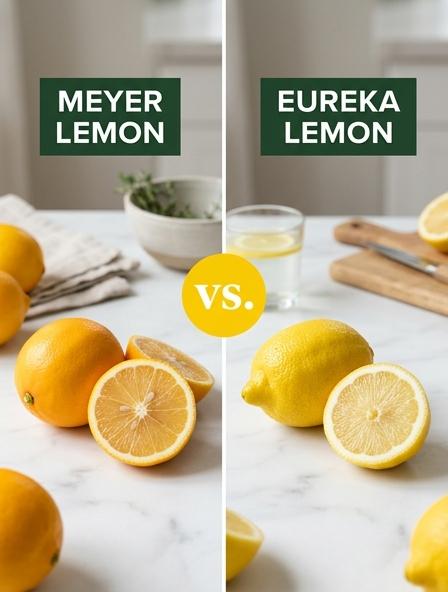
Understanding the chemical differences between Meyer and Eureka lemons is vital for achieving the perfect balance in desserts. Eureka lemons, the grocery store standard, possess high citric acid levels that provide a sharp, bright "zing" capable of cutting through rich fats like butter and cream. Conversely, Meyer lemons are a hybrid of lemons and mandarin oranges, offering a much lower acidity and a higher sugar concentration.
| Characteristic | Eureka Lemon | Meyer Lemon |
|---|---|---|
| Acidity Level | High / Sharp | Low / Mellow |
| Flavor Profile | Tart and Bold | Sweet and Floral |
Professional bakers often reach for the high-octane acidity of a Eureka lemon when crafting a classic, mouth-puckering lemon meringue pie, whereas the floral, sweeter notes of a Meyer lemon are preferred for elevating a delicate lavender-infused shortbread.
Skin Thickness and Zesting Efficiency for Home Cooks
When comparing Meyer and Eureka lemons, the rind's structural integrity significantly impacts kitchen prep. Eureka lemons are the traditional choice for zesting; their thick, pebbly skins provide a sturdy surface for microplanes, making it easy to remove the oily zest without hitting the bitter white pith. In contrast, Meyer lemons-a hybrid of lemons and mandarin oranges-feature incredibly thin, smooth skins. This delicacy makes them more challenging to zest, as the lack of a thick pith means you are more likely to pierce the juice sacs while grating.
- Eureka Lemons: Robust, thick rinds that produce long, beautiful curls for garnishes.
- Meyer Lemons: Fragile, paper-thin skins that offer a floral aroma but require a gentle touch.
Imagine reaching for a sturdy Eureka lemon when you need deep citrus notes for a lemon meringue pie, or carefully shaving a fragrant Meyer lemon to create a sophisticated, sweet-scented garnish for a delicate spring risotto.
Natural Sweetness and Sugar Balance in Dessert Recipes
Understanding the sugar-to-acid ratio is crucial when choosing between Meyer and Eureka lemons for baking. Meyer lemons are a cross between a lemon and a mandarin orange, resulting in a naturally sweeter juice and a thinner, aromatic peel. In contrast, Eureka lemons provide the intense, sharp acidity typical of commercial citrus.
- Meyer Lemons: Lower acidity requires less added sugar; ideal for delicate custards and mousses.
- Eureka Lemons: High acidity requires more sweetener to balance the tartness; perfect for classic, punchy lemon bars.
Because Meyers are inherently less tart, chefs often reduce the sugar content in recipes by 10% to 20% to prevent an overly cloying result. This natural sweetness allows the subtle floral notes of the fruit to shine through without being masked by heavy syrups.
Imagine whipping up a light summer chiffon cake where the gentle sweetness of Meyer lemon zest creates a fragrant, sophisticated flavor profile that your guests will absolutely adore.
Juice Yield and Citric Concentration for Savory Dishes
When analyzing juice yield, the Meyer lemon consistently outperforms the Eureka lemon. Due to their thin skins and hybrid origin, Meyer lemons are exceptionally juicy, providing more liquid per fruit. However, in savory cooking, the citric concentration is the defining factor. Eureka lemons possess a higher acidic content, offering the sharp, bright "zip" required to balance heavy fats and salts.
- Meyer Lemon: High juice volume, lower acidity, floral and sweet undertones.
- Eureka Lemon: Moderate juice volume, high citric concentration, pungent tang.
While the Meyer lemon is prized for its volume, its lower acidity can get lost in complex recipes. Conversely, the Eureka's concentrated juice provides a robust acidic backbone that stands up to heat and heavy seasoning.
Home cooks typically prefer the sharp punch of a Eureka lemon when whisking together a classic vinaigrette or deglazing a pan for Chicken Piccata to ensure that signature, mouth-watering zest.
Nutritional Density and Health Benefits Comparison
While both varieties offer exceptional health benefits, their nutritional profiles differ slightly due to their genetic lineage. The Eureka lemon is a traditional citrus powerhouse, containing high concentrations of citric acid and Vitamin C, which are essential for immune support and collagen production. In contrast, the Meyer lemon-a hybrid between a lemon and a mandarin-tends to have a slightly higher sugar content and a lower acidic bite, while potentially offering more Vitamin A and beta-carotene due to its deeper orange-tinted peel.
- Vitamin C: Both provide significant daily values to combat oxidative stress.
- Flavonoids: Both contain hesperidin and eriocitrin for heart health.
- Acidity: Eureka is more acidic, which may aid in mineral absorption.
You might reach for a Eureka lemon when you need a sharp, alkalizing kick for your morning detox water, but choose a Meyer lemon when you want the antioxidant benefits of the zest without the overwhelming bitterness in a fresh summer vinaigrette.
Floral Aromatic Notes versus Classic Sharpness
Distinguishing between Meyer and Eureka lemons is essential for balancing flavor profiles in the kitchen. Meyer lemons, a cross between a mandarin and a lemon, are celebrated for their thin skins and complex, floral aromatic notes. They possess significantly less citric acid than their counterparts, resulting in a sweeter, mellow taste. Conversely, Eureka lemons deliver the classic sharp acidity and zesty punch expected in traditional culinary applications.
- Meyer Lemons: Sweeter juice, edible thin rinds, and a deep yellow-orange skin.
- Eureka Lemons: High acidity, thick pith, and a bright yellow, textured exterior.
While Eureka lemons are the gold standard for cutting through fatty meats or deglazing pans, Meyer lemons are the preferred choice for pastry chefs creating delicate tarts where a subtle citrus fragrance is desired over a harsh tang.
Shelf Life and Freshness Retention in Household Storage
The primary difference in storage potential stems from rind thickness and acidity levels. Eureka lemons possess thick, oil-rich skins and high citric acid content, acting as natural preservatives that resist moisture loss and mold. Conversely, Meyer lemons-a hybrid of lemons and mandarin oranges-have remarkably thin, fragile skins and lower acidity, making them far more susceptible to bruising and rapid spoilage.
- Eureka Lemons: Remain firm for about one week at room temperature or up to four weeks when sealed in a bag in the refrigerator.
- Meyer Lemons: Require immediate refrigeration and typically maintain peak quality for only one to two weeks before softening.
Many home cooks prefer stocking up on hardy Eureka lemons for their daily morning water infusions, while reserving the delicate, short-lived Meyer lemons for immediate use in special weekend baking projects like a fresh lemon tart.
Impact on Texture and Setting in Curds and Preserves
The botanical differences between Meyer and Eureka lemons directly influence the structural integrity of citrus-based recipes. Eureka lemons, characterized by high acidity and thick, pectin-rich rinds, are superior for achieving a firm "set" in marmalades and jellies. Their high citric acid content ensures that fruit proteins and sugars bond effectively during the boiling process.
Meyer lemons, being a cross between a lemon and a mandarin, have lower acidity and thinner skins. This results in a softer, more syrupy preserve. In curds, the two varieties perform differently:
- Eureka: Creates a stiff, stable, and tart curd that holds its shape on a spoon.
- Meyer: Produces a silkier, more delicate cream with a floral aroma and a mellow sweetness.
You will likely reach for the Meyer lemon when preparing a refined dessert sauce where a velvety, pourable texture is more desirable than a rigid, gelatinous set.
Visual Presentation and Peel Color Contrast for Garnishing
Choosing between Meyer and Eureka lemons often comes down to the desired aesthetic impact on a dish or cocktail. Eureka lemons provide the iconic, bright sunshine-yellow hue with a textured, thick rind that holds its shape perfectly for decorative twists and long curls. In contrast, Meyer lemons offer a smoother, thinner skin with a deep golden, almost saffron-like tint.
Because Meyer lemons are a hybrid, their color profile leans warmer than the neon sharpness of a standard Eureka. Note these distinct characteristics for your presentation:
- Eureka: Thick, porous skin ideal for sturdy spiral garnishes and high-contrast yellow highlights.
- Meyer: Glossy, fragile skin that provides a refined, delicate, and sophisticated appearance.
You might prefer a paper-thin Meyer slice to float elegantly atop a summer panna cotta for a sophisticated, warm glow that invites guests to enjoy the sweet, edible rind.
Heat Stability and Flavor Integrity During High Temperature Cooking
When subjected to high thermal environments, Eureka and Meyer lemons react differently due to their chemical compositions. Eureka lemons are the standard for high-heat applications like roasting or grilling. Their thick rinds and high citric acid concentration provide a robust "heat shield," ensuring that the signature tartness remains sharp and defined even after caramelization.
Conversely, the Meyer lemon is a hybrid with much thinner skin and lower acidity. Its complex, floral aromatics are volatile and tend to dissipate quickly under intense heat, often leaving behind a muted sweetness rather than a bold citrus punch. For culinary precision, consider these applications:
- Eureka: Ideal for roasted chicken, charred garnishes, and high-heat baking.
- Meyer: Best for light sautéing, warm infusions, or finishing dishes off the heat.
You will likely prefer the Eureka lemon when grilling citrus wheels over an open flame to ensure that classic, mouth-puckering acidity survives the charring process.
Meyer Lemon vs Eureka Lemon source and external links
- The Meyer lemon is a hybrid citrus fruit native to China that is prized for its thin skin and sweeter, less acidic flavor profile compared to standard varieties.
- The Eureka lemon is one of the most common commercial varieties, known for its reliable year-round fruit production and classic, tangy acidity.