
Manuka Honey vs Propolis : Are They The Same? Nutritional Density, Culinary Performance, and Bioactive Stability
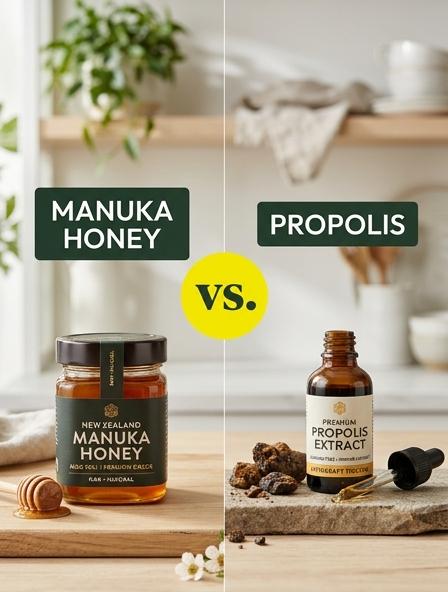
Manuka Honey and Propolis Heat Tolerance in Domestic Baking
Understanding thermal stability is essential when incorporating bee products into recipes. Manuka honey is highly heat-sensitive; its signature antibacterial compound, Methylglyoxal (MGO), and vital enzymes begin to degrade at temperatures above 40°C (104°F). Consequently, high-heat baking destroys the very properties that make Manuka premium.
Propolis, however, is a resilient resin. It maintains its antioxidant and antimicrobial profile even when exposed to standard oven temperatures, making it a functional choice for cooked goods.
| Feature | Manuka Honey | Propolis |
|---|---|---|
| Heat Limit | Low (Max 40°C) | High (Oven Stable) |
| Best For | Raw Toppings | Baked Batters |
Imagine drizzling raw Manuka over cooled muffins while stirring propolis extract directly into your bread dough for a heat-resilient wellness boost.
Nutritional Density of Bee-Derived Nectar and Resin
Understanding the nutritional density of Manuka honey versus propolis requires looking at their biological origins. Manuka honey, derived from nectar, is a carbohydrate-rich powerhouse containing unique Methylglyoxal (MGO) and dihydroxyacetone (DHA). In contrast, propolis is a complex resinous mixture collected from tree buds, boasting a dense concentration of bioactive compounds designed to protect the hive.
- Manuka Honey: Contains amino acids, B-complex vitamins, and essential minerals like calcium and manganese.
- Propolis: Packed with over 300 compounds, including high levels of polyphenols, flavonoids, and phenolic acids.
While Manuka provides bioavailable energy and digestive enzymes, propolis functions as a highly concentrated antioxidant shield. Health-conscious individuals often stir MGO-rated Manuka into their morning yogurt for sustained vitality, while reaching for a concentrated propolis spray at the first sign of a seasonal scratchy throat to bolster their immune defense.
Flavor Intensity and Culinary Performance of Manuka Honey and Propolis
Manuka honey and propolis offer vastly different sensory profiles and culinary applications. Manuka honey is celebrated for its complex, earthy sweetness, featuring caramel undertones and a distinct mineral finish. Conversely, propolis is a resinous substance with a pungent, bitter, and waxy flavor that can easily overwhelm the palate if used in large quantities.
| Attribute | Manuka Honey | Propolis |
|---|---|---|
| Flavor Profile | Earthy & Sweet | Resinous & Bitter |
| Culinary Role | Versatile Sweetener | Functional Additive |
Health enthusiasts often stir a spoonful of creamy Manuka honey into warm oats for a rich breakfast, while reserving a few drops of pungent propolis extract for a concentrated wellness shot to boost their natural defenses.
Bioactive Compound Stability in Heated Hive Products
The therapeutic efficacy of hive products depends heavily on the stability of their bioactive markers when exposed to heat. While both Manuka honey and propolis possess antimicrobial properties, their chemical compositions react differently to thermal processing.
- Manuka Honey: The primary compound, Methylglyoxal (MGO), is relatively heat-stable compared to the hydrogen peroxide found in standard honey. However, excessive heat can increase HMF (Hydroxymethylfurfural) levels, indicating degradation of honey quality.
- Propolis: Composed of resins and beeswax, propolis is rich in flavonoids and phenolic acids. These antioxidants are highly robust and maintain their structural integrity better than honey enzymes during standardized extraction.
To preserve these delicate compounds, many health enthusiasts prefer drizzling raw Manuka honey over room-temperature yogurt or taking propolis tinctures directly, ensuring that high boiling temperatures do not diminish the natural potency of their daily wellness routine.
Viscosity and Texture Influence of Manuka Honey and Propolis in Recipes
Manuka honey and propolis possess distinct physical characteristics that dictate their roles in the kitchen. Manuka honey is a dense, thixotropic substance, meaning it becomes more fluid when stirred but remains thick and stable at rest. This high viscosity makes it an excellent binder for raw energy bars or a luxurious glaze for roasted root vegetables.
In contrast, propolis is a resinous bee glue, usually integrated into recipes as a concentrated liquid tincture or a fine, dry powder. It does not provide the "bulk" or moisture that honey does. Understanding these textural differences is key to achieving the desired mouthfeel:
- Manuka Honey: Adds syrupy weight, moisture, and a velvety coating.
- Propolis: Functions as a micro-additive that dissolves into liquids without altering consistency.
Home cooks often whisk a heavy dollop of Manuka honey into yogurt to create a rich, creamy consistency, while finishing the dish with a few drops of propolis extract for its potent botanical profile.
Antioxidant Concentration in Manuka Honey versus Propolis Extracts
When evaluating antioxidant concentration, propolis extracts typically outperform Manuka honey in the sheer density of bioactive phenolic compounds. While Manuka honey is globally recognized for its Methylglyoxal (MGO) content and unique enzymatic activity, propolis serves as the hive's highly concentrated defense resin. It contains a complex profile of flavonoids and polyphenols specifically evolved to neutralize oxidative stress and environmental threats.
Research indicates that propolis tinctures offer a significantly higher radical scavenging capacity per gram compared to honey. The key differences in their antioxidant makeup include:
- Manuka Honey: High in leptosperin, methyl syringate, and floral-derived phenolic acids.
- Propolis Extracts: Dense in caffeic acid phenethyl ester (CAPE), pinocembrin, and galangin.
Health-conscious individuals often stir a few drops of liquid propolis into their water or juice to create a concentrated "antioxidant shield" that complements the nutritional and digestive benefits of their daily Manuka honey intake.
Glycemic Impact and Sugar Profiles of Honey and Propolis
When comparing Manuka honey and propolis, their metabolic footprints differ significantly due to their distinct chemical compositions. Manuka honey is primarily a carbohydrate source, rich in fructose and glucose, which provides a natural energy surge while influencing blood glucose levels.
- Manuka Honey: High sugar content with a moderate glycemic index; requires mindful portioning for blood sugar management.
- Propolis: A resinous mixture of beeswax and tree sap; contains negligible sugars and has no measurable glycemic impact.
Propolis is essentially a non-caloric supplement, whereas Manuka honey acts as a functional food. This distinction is vital for individuals monitoring insulin sensitivity or those on restrictive diets. While honey offers sweetness and bioactive enzymes, propolis provides concentrated polyphenols without the sugar load.
You might choose a spoonful of Manuka honey to fuel a high-intensity workout, but opt for propolis drops when you need immune support that won't disrupt your intermittent fasting routine.
Storage Longevity and Stability of Premium Hive Ingredients
Understanding the shelf life of Manuka honey and propolis is essential for maintaining their bioactive potency. Manuka honey is naturally preservative due to its low moisture content and high sugar concentration, which inhibit microbial growth. However, its signature Methylglyoxal (MGO) levels can fluctuate if exposed to high temperatures, making cool, dark storage vital for long-term stability.
Propolis, a resinous mixture collected by bees, is exceptionally stable due to its high antioxidant and phenolic content. When processed into extracts or tinctures, it resists oxidation even more effectively than raw honey.
- Manuka Honey: Indefinite shelf life; best used within 3 years for peak enzyme activity.
- Propolis: Typically maintains full potency for 2 to 3 years when stored in amber glass.
Imagine tucking a jar of high-UMF Manuka honey into your emergency pantry or keeping a propolis spray in your travel kit, knowing these hive treasures will remain potent and ready for your wellness needs for years to come.
Raw Application Benefits of Manuka Honey and Propolis for Health
Manuka honey and bee propolis are potent hive products, each offering unique therapeutic profiles. Manuka honey is world-renowned for its high Methylglyoxal (MGO) levels, providing non-peroxide antibacterial activity that excels in wound healing and digestive support. Conversely, propolis-a resinous substance used to seal the hive-is a concentrated source of polyphenols, acting as a powerful antioxidant and antimicrobial agent.
- Manuka Honey: Best for topical skin repair, soothing gastric issues, and hydrating tissues.
- Propolis: Ideal for strengthening the immune system, oral hygiene, and combating viral infections.
While honey acts as a healing medium, propolis serves as a protective shield. Integrating both into your wellness routine maximizes the synergistic benefits of bee-derived medicine. You might apply a dab of Manuka honey to a minor burn for rapid recovery, while using a propolis tincture daily to fortify your defenses during flu season.
Functional Ingredient Roles of Bee Products in Family Meals
Integrating bee products into daily nutrition requires understanding their distinct bioactive roles. While Manuka honey serves as a potent, enzyme-rich sweetener characterized by Methylglyoxal (MGO) levels, Propolis acts as a concentrated resinous extract high in polyphenols. In the kitchen, Manuka honey provides texture and natural sweetness, whereas Propolis is utilized as a functional additive rather than a bulk ingredient.
- Manuka Honey: Best applied as a finishing glaze or raw topping for yogurt to preserve heat-sensitive enzymes.
- Propolis: Most effective when added as a liquid tincture or powder to smoothies and herbal teas.
Busy parents often stir a few drops of Propolis into a morning orange juice to provide their children with a quick, antioxidant-rich immune boost before school.
Manuka Honey vs Propolis source and external links
- Manuka honey is a unique variety of honey native to New Zealand that is globally recognized for its potent antibacterial properties and therapeutic benefits; learn more about the benefits of Manuka honey.
- Propolis is a resinous substance collected by honeybees from tree buds and used to seal and protect the hive due to its natural antimicrobial qualities; read more about the uses of propolis.