
Liquid Egg vs Scrambled Eggs: Comparing Nutritional Density, Textural Performance, and Preparation Efficiency Differences.
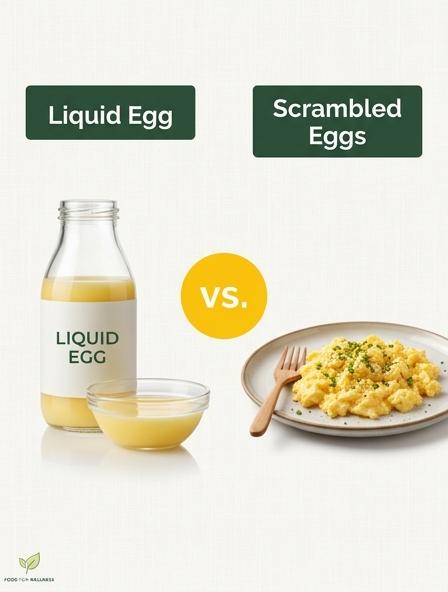
Nutritional Density and Protein Absorption Rates
Comparing liquid eggs and scrambled eggs involves analyzing nutrient bioavailability and caloric density. Liquid egg products, particularly pasteurized whites, provide a concentrated source of lean protein with minimal fats. Conversely, scrambled whole eggs offer a superior micronutrient profile, as the yolk contains essential fat-soluble vitamins like A, D, and E, alongside choline for brain health.
- Protein Bioavailability: Cooking eggs (either liquid or fresh) increases protein absorption from roughly 50% to 91%.
- Caloric Control: Liquid eggs allow for precise macro-tracking, ideal for weight management.
- Nutrient Synergy: The healthy fats in scrambled whole eggs aid in the absorption of the egg's own antioxidants.
While liquid eggs offer unmatched convenience for meal prep, the whole-egg scramble remains the gold standard for dietary completeness. You might reach for liquid whites to boost your post-workout protein shake or choose a fluffy plate of scrambled eggs for a slow, nutrient-dense weekend breakfast.
Textural Performance and Coagulation Characteristics
The structural transformation of eggs during heating depends on protein denaturation. Liquid egg products undergo homogenization and pasteurization, which breaks down the natural chalazae and creates a more uniform consistency than hand-whisked shell eggs. This process directly impacts the final mouthfeel and "curd" formation of scrambled eggs.
- Shell Eggs: Feature distinct, irregular curds with a rustic, varied texture due to the separate coagulation temperatures of whites and yolks.
- Liquid Eggs: Offer a highly consistent, velvety texture and greater resistance to syneresis (weeping) thanks to industrial stabilization.
While fresh eggs provide a traditional "bite," liquid versions ensure a smooth structural matrix that holds up better under heat lamps. The coagulation begins at approximately 62°C, but the pre-blended nature of liquid products prevents the localized overcooking often found in manual preparations. You appreciate the reliable, creamy results of liquid eggs when managing a high-volume breakfast service where every plate must look identical.
Chemical Additives and Natural Purity Levels
When comparing liquid eggs to freshly cracked eggs, the primary distinction lies in their ingredient profiles. Fresh eggs are a single-ingredient whole food, offering 100% natural purity without processing. In contrast, liquid egg products undergo pasteurization to ensure safety and extend shelf life, which often requires the addition of stabilizers and preservatives.
| Feature | Fresh Shell Eggs | Liquid Egg Products |
|---|---|---|
| Ingredients | Pure Egg | Eggs + Additives |
| Common Additives | None | Citric Acid, Xanthan Gum |
| Processing | Minimal | Pasteurized |
While additives like citric acid prevent the eggs from turning gray during heat exposure, some consumers prefer the clean label of a shell egg. You might choose the natural simplicity of cracking fresh shells for a slow weekend brunch, whereas the consistency and speed of a carton are ideal when you are preparing high-protein meals for a busy work week.
Storage Requirements and Cold Chain Management
Maintaining a strict cold chain is vital for food safety when handling liquid egg products versus cooked scrambled eggs. While liquid eggs are pasteurized to eliminate pathogens, they remain highly volatile and require constant refrigeration between 0°C and 4°C to prevent bacterial bloom.
| Product Type | Storage Temp | Shelf Life (Post-Opening/Cooking) |
|---|---|---|
| Liquid Egg | 0°C - 4°C | 2-3 Days |
| Scrambled Eggs | Below 5°C | 3-4 Days |
Cooked scrambled eggs offer slightly more flexibility for meal prepping, but liquid eggs demand rigorous temperature monitoring from the processing plant to the final kitchen environment. Imagine a high-volume hotel breakfast buffet where chefs rely on precision-chilled liquid egg cartons to ensure every guest enjoys a safe, fluffy scramble without the risk of temperature fluctuations.
Time Efficiency in Meal Preparation and Cleanup
When comparing liquid eggs to traditional shell eggs, the primary advantage lies in streamlined convenience. Liquid egg products are pre-cracked, pasteurized, and homogenized, allowing you to pour them directly into a hot pan. This eliminates the labor-intensive steps of cracking individual shells, whisking for consistency, and fishing out stray shell fragments.
The cleanup process is equally efficient. By using liquid eggs, you reduce the number of kitchen tools required, such as bowls and whisks, and avoid the mess of shell disposal and potential counter drips.
- Prep Speed: Instant pour vs. manual cracking and beating.
- Waste Management: Recyclable cartons vs. messy eggshells.
- Tool Use: Minimal equipment vs. multiple preparation dishes.
Busy gym-goers love the ability to pour exact protein portions into a skillet for a high-protein breakfast in under five minutes without any post-meal scrubbing.
Consistency in Large Batch Cooking Scenarios
When scaling breakfast operations for high-volume crowds, achieving a uniform result is the primary objective. Traditional shell eggs often introduce "gradient variance," where inconsistent yolk-to-white ratios result in streaky, uneven textures across large hotel pans. Liquid egg products solve this by providing a homogenized, pre-blended mixture that guarantees structural integrity throughout the cooking process.
- Uniformity: Consistent golden color and moisture levels in every batch.
- Reliability: Predictable coagulation rates for even heat distribution.
- Quality Control: Elimination of shell fragments in mass-produced trays.
Consider a busy cruise ship kitchen during the morning rush; by utilizing liquid eggs, the culinary team ensures that the five-hundredth plate of scrambled eggs looks and tastes identical to the very first one served.
Flavor Profiles and Natural Fragrance Variations
The primary distinction between fresh scrambled eggs and liquid alternatives lies in their aromatic complexity. Freshly cracked eggs possess volatile organic compounds that deliver a robust, sulfurous fragrance and a rich, buttery depth. Conversely, liquid eggs undergo pasteurization to ensure food safety and extended shelf life. This heat treatment can subtly mute the natural "eggy" scent and create a more homogenized flavor profile.
| Characteristic | Fresh Scrambled Eggs | Liquid Egg Products |
|---|---|---|
| Aroma | Intense and savory | Mild and neutral |
| Flavor Notes | Rich yolk, buttery | Consistent, uniform |
You might crave the nostalgic, farm-fresh aroma of traditional scrambled eggs for a slow weekend morning, but you will likely reach for liquid eggs when you need a quick, mess-free protein boost for your weekday meal prep.
Visual Appeal and Color Saturation on the Plate
The visual presentation of eggs significantly influences a diner's perception of freshness and quality. Liquid egg products are engineered for aesthetic consistency, providing a uniform, vibrant golden saturation that remains stable across thousands of servings. Unlike shell eggs, which vary based on seasonal hen diets, liquid eggs offer a reliable color profile that enhances plate pop.
While fresh-cracked eggs are prized for their "marbleized" appearance-featuring natural streaks of white and deep orange-liquid eggs excel in high-heat environments where color retention is critical.
- Liquid Eggs: Homogeneous, bright yellow hue with no "greening" during oxidation.
- Fresh Scrambled: Artisanal, multi-tonal appearance that reflects a rustic, farm-to-table style.
- Consistency: Liquid eggs eliminate the pale or dull batches often found in bulk shell egg preparation.
Professional chefs at high-volume brunch buffets rely on the saturated glow of liquid eggs to ensure every guest sees a perfectly sun-kissed plate that looks appetizing even after sitting under heat lamps.
Binding Reliability in Complex Recipes
In culinary science, the functional difference between liquid eggs and scrambled eggs is rooted in protein denaturation. Liquid eggs provide active, uncoiled proteins that function as a powerful emulsifier and binding agent. Because these proteins only coagulate when heat is applied during the final cooking stage, they create a structural matrix that holds ingredients together. Conversely, scrambled eggs are already set; their proteins have finished bonding, making them incapable of fusing with other recipe components.
- Protein Adhesion: Liquid eggs coat dry particles to prevent crumbling.
- Moisture Retention: They hydrate starches while providing structural lift.
- Uniformity: Liquid formats ensure even distribution in heavy batters or meat mixtures.
Home cooks often reach for liquid eggs when preparing a dense gluten-free meatloaf to ensure the loaf maintains its structural integrity and remains moist even after being sliced and served.
Cost Analysis and Household Budget Impact
Evaluating the financial impact of liquid eggs versus whole eggs requires looking beyond the initial price tag. Generally, liquid egg cartons carry a higher price point per ounce due to the added costs of pasteurization, packaging, and processing. Whole shell eggs remain one of the most economical high-quality protein sources available for most households.
- Shell Eggs: Typically offer the lowest cost per serving, especially when purchased in bulk (18-count or 30-count flats).
- Liquid Eggs: Command a 20% to 50% premium but reduce indirect costs related to food waste and preparation time.
For large families, the cumulative savings of using shell eggs can be significant over a month. Conversely, for individuals, the "no-waste" aspect of pouring exactly what is needed from a carton may offset the higher retail price by preventing spoilage of unused eggs.
You might find that shell eggs are the winner for your monthly grocery budget, whereas a carton of liquid whites is your go-to for effortless, high-protein weekday breakfasts.
Liquid Egg vs Scrambled Eggs source and external links
- Liquid egg products provide a pasteurized and convenient alternative to whole shell eggs for both commercial and home cooking; discover the benefits of liquid egg.
- Scrambled eggs are a versatile dish prepared by whisking eggs together and cooking them over medium heat until they form soft curds; here is a guide on scrambled eggs.