
La Ratte Potatoes vs Sweet Potatoes : Comparing Nutrition, Texture, and Glycemic Load Differences
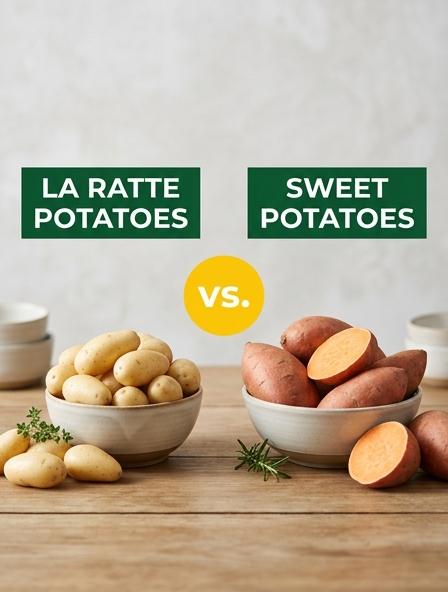
Nutritional Density and Caloric Values for Daily Meals
When planning balanced meals, the nutritional profiles of La Ratte and sweet potatoes offer distinct advantages. La Ratte potatoes, a French heirloom variety, are prized for their waxy texture and lower glycemic index compared to standard starchy potatoes. They are excellent sources of potassium and Vitamin C. Sweet potatoes, however, are renowned for their high Beta-carotene (Vitamin A) and dietary fiber content, supporting immune function and digestive health.
- La Ratte: Approximately 77 calories per 100g; rich in minerals and slow-release carbohydrates.
- Sweet Potato: Approximately 86 calories per 100g; higher in natural sugars and antioxidants.
While both tubers provide complex carbohydrates, sweet potatoes excel in micronutrient density for skin health, whereas La Ratte potatoes provide a refined, buttery flavor with fewer calories than many traditional potato cultivars. Fitness enthusiasts often choose roasted sweet potatoes for post-workout recovery, while gourmet home cooks prefer pan-searing La Ratte potatoes with rosemary for a sophisticated, low-calorie dinner accompaniment.
Texture Stability in Roasting and Baking Environments
When exposed to the dry heat of an oven, La Ratte and sweet potatoes exhibit divergent structural behaviors based on their starch composition. La Ratte potatoes are a premier waxy variety, characterized by low starch and high moisture content. Their cell walls remain robust during roasting, ensuring the tuber stays firm and holds its shape without collapsing into a mealy texture.
- La Ratte: Maintains a tight, buttery crumb and a distinct, firm exterior.
- Sweet Potatoes: Higher sugar content leads to rapid softening and a creamy, often jam-like interior.
While sweet potatoes offer excellent caramelization, they lack the structural "snap" found in fingerling types. This makes the La Ratte superior for dishes requiring precision and bite. You will love using La Ratte potatoes for a sophisticated warm potato salad where each slice must remain perfectly intact and elegant even when tossed with a heavy vinaigrette.
Glycemic Load and Metabolic Health Impact
When comparing the metabolic effects of La Ratte potatoes and sweet potatoes, the glycemic load (GL) is the primary differentiator. La Ratte potatoes, a waxy fingerling variety, possess a moderate glycemic index; however, their starch structure behaves differently than floury russets. Sweet potatoes typically offer a lower glycemic response due to their high fiber content, which slows the conversion of carbohydrates into glucose.
- La Ratte Potatoes: Moderate GL, but cooling them after cooking increases resistant starch, benefiting gut health.
- Sweet Potatoes: Lower GL with high levels of sporamin, a protein that may provide antioxidant benefits.
Metabolic health is influenced not just by the tuber itself, but by preparation; for example, a fitness enthusiast might choose a roasted sweet potato for sustained pre-workout energy, while a gourmet chef prefers the firm, nutty La Ratte for a refined potato salad that won't cause the heavy lethargy often associated with high-starch mash.
Starch Content and Influence on Culinary Consistency
The culinary performance of La Ratte and sweet potatoes is primarily governed by their starch-to-moisture ratios. La Ratte potatoes are waxy cultivars with low amylose content, which prevents cells from separating during cooking, ensuring a firm, silky bite. Sweet potatoes, however, contain higher sugar concentrations and enzymes that break down starches into maltose, leading to a much softer, often moist or creamy texture.
- La Ratte: High molecular density; retains shape and offers a nutty, waxy mouthfeel.
- Sweet Potato: High enzymatic activity; transforms into a tender, caramelized consistency when roasted.
Understanding these differences allows chefs to select the right tuber based on the desired structural outcome of a recipe. You will likely appreciate the resilient La Ratte for a refined herb-tossed side dish, while opting for the sweet potato when the goal is a velvety, comforting mash that melts on the palate.
Aromatic Profiles and Herb Pairing Compatibility
La Ratte potatoes are celebrated for their delicate, nutty fragrance reminiscent of chestnuts and fresh butter. In contrast, sweet potatoes offer a sugary, earthy profile that develops deep caramel notes during roasting. These distinct olfactory characteristics dictate their specific herb affinities, as seen below:
- La Ratte: Pairs best with chives, parsley, and thyme to complement its waxy, refined texture.
- Sweet Potatoes: Synergize with robust herbs like sage and rosemary, or warm spices like ginger.
While both tubers are versatile, their chemistry differs; the La Ratte's subtle nuttiness thrives with light, green aromatics, whereas the sweet potato's high sugar content requires bold or earthy herbs to balance its richness. Many home cooks love roasting sliced La Ratte potatoes with a simple sprig of rosemary and sea salt for a sophisticated dinner party side, while others prefer the comfort of sweet potatoes mashed with fresh sage and brown butter on a chilly autumn evening.
Vitamin and Mineral Concentration in Root Varieties
Comparing the nutrient profiles of the heirloom La Ratte potato and the vibrant sweet potato reveals distinct micronutrient advantages. While both roots serve as excellent complex carbohydrates, their vitamin and mineral concentrations cater to different physiological needs. La Ratte potatoes, a favorite in French cuisine, are particularly dense in potassium and Vitamin C, supporting cardiovascular health and collagen synthesis. In contrast, sweet potatoes excel in provitamin A (beta-carotene) and manganese, which are essential for vision and metabolic function.
- La Ratte Potato: Superior levels of Vitamin B6 and electrolyte-balancing potassium.
- Sweet Potato: Exceptional Vitamin A content and higher dietary fiber for digestive health.
- Shared Benefits: Both varieties provide iron and magnesium in varying concentrations.
Home cooks often reach for the naturally sweet potato to create a low-glycemic mash for fitness meal prep, while culinary enthusiasts choose the nutty La Ratte to craft a sophisticated, mineral-rich potato salad that holds its shape perfectly under a vinaigrette.
Cooking Time Variations and Heat Sensitivity
La Ratte and sweet potatoes respond differently to thermal application due to their unique starch profiles. La Ratte potatoes, characterized by their waxy, firm flesh, require gentle cooking to preserve their delicate, thin skins. Because of their small fingerling shape, they often reach a creamy texture within 20 minutes when boiled, yet they remarkably maintain their structural integrity without falling apart.
Sweet potatoes, conversely, contain significantly higher sugar and moisture levels. This makes them highly sensitive to high-intensity heat, leading to rapid softening and caramelization. While a whole sweet potato may require 45 minutes to roast, its internal fibers break down much faster than the resilient La Ratte.
- La Ratte: Ideal for quick boiling and pan-searing; holds shape perfectly.
- Sweet Potato: Best for slow-roasting; transforms into a soft, sugary mash.
Home chefs love tossing sliced La Ratte potatoes into a hot skillet for a quick, golden sear that stays firm, whereas they prefer slow-roasting sweet potatoes until the natural sugars begin to ooze and caramelize.
Storage Longevity and Pantry Stability for Home Cooks
Maximizing the pantry stability of La Ratte and sweet potatoes requires distinct environmental adjustments. La Ratte potatoes are thin-skinned heirloom fingerlings, making them more prone to shriveling than standard tubers. Conversely, sweet potatoes are tropical roots that react poorly to typical refrigerator temperatures, which can ruin their internal texture and flavor profile.
- La Ratte Potatoes: Lasts 2–4 weeks; needs a cool, dark place (40–50°F) to prevent sprouting and greening.
- Sweet Potatoes: Lasts 2–3 weeks; requires moderate temperatures (55–60°F) to avoid a "hard core" effect.
Longevity for both is extended by using breathable mesh bags or wicker baskets to ensure air circulation and prevent mold growth. Keeping these tubers away from direct sunlight is crucial for maintaining nutrient density and preventing bitterness over time. You will likely enjoy the reliability of sweet potatoes for consistent meal prep, while reserving the delicate La Ratte for gourmet weekend recipes where its fresh, nutty essence is the star.
Fiber Content and Digestive Health Benefits
When comparing La Ratte potatoes and sweet potatoes, both offer distinct advantages for digestive wellness. Sweet potatoes are widely celebrated for their high dietary fiber content, providing a mix of soluble and insoluble fibers that promote regularity and satiety. In contrast, La Ratte potatoes, a waxy French heirloom variety, are an excellent source of resistant starch, particularly when cooked and then cooled.
- Sweet Potatoes: Deliver roughly 3 grams of fiber per 100g, supporting smooth digestion and blood sugar stability.
- La Ratte Potatoes: Contain prebiotic starches that escape digestion in the small intestine, feeding beneficial gut bacteria.
While sweet potatoes provide more total fiber for bulk, the resistant starch in La Ratte potatoes functions as a powerful metabolic aid. You might prefer the nutty La Ratte for a sophisticated, gut-friendly chilled salad, whereas a roasted sweet potato is the go-to choice for those seeking a fiber-dense meal to stay powered through a busy workday.
Natural Sugar Levels and Caramelization Potential
The chemical composition of these tubers dictates how they react to high-heat cooking. Sweet potatoes are packed with natural sugars like sucrose and maltose, leading to an intense, syrupy caramelization that creates a jammy texture when roasted. In contrast, La Ratte potatoes possess very low sugar levels and a higher starch-to-sugar ratio, meaning they don't "caramelize" in the traditional sugary sense.
- Sweet Potatoes: High sugar content results in rapid browning and a candy-like finish.
- La Ratte Potatoes: Low sugar content favors the Maillard reaction, producing a nutty, golden crust.
While sweet potatoes offer a bold, dessert-like richness, the La Ratte provides a refined, savory depth that highlights its buttery heritage. You might prefer the La Ratte when seeking a crisp, herb-crusted side for a roast, whereas sweet potatoes are the ultimate choice when you crave a charred, caramelized wedge with a soft, sweet interior.
La Ratte Potatoes vs Sweet Potatoes source and external links
- La Ratte potatoes are a highly prized French heirloom variety known for their firm, waxy texture and distinctively nutty flavor. La Ratte potatoes
- Sweet potatoes are nutritious, starchy root vegetables characterized by their natural sweetness and high levels of beta-carotene. Sweet potatoes