
La Ratte Potatoes vs Regular Potatoes: The Differences in Texture, Nutritional Profile, and Culinary Performance
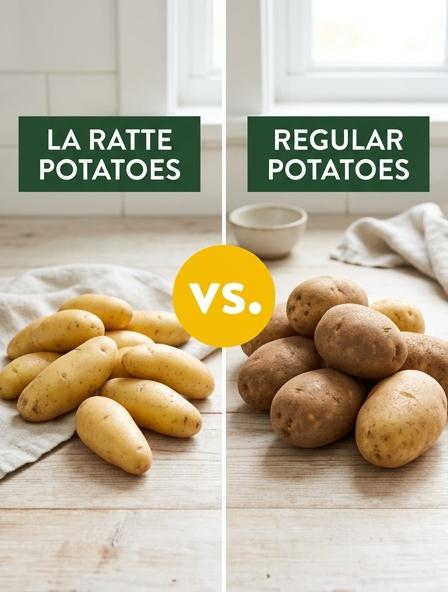
Texture and Starch Variations in Gourmet versus Common Varieties
The primary distinction between gourmet La Ratte potatoes and common varieties lies in their starch composition and cellular structure. La Ratte is a quintessential waxy potato, characterized by low amylose content. This allows it to retain a firm, silky, and almost buttery texture that holds its shape perfectly under heat.
Conversely, common "all-purpose" or starchy potatoes, such as Russets, contain significantly higher starch levels. This results in a mealy, floury interior that disintegrates easily, making them ideal for absorption but less suitable for structural integrity.
| Feature | La Ratte (Gourmet) | Regular (Starchy) |
|---|---|---|
| Starch Type | Low (Waxy) | High (Floury) |
| Cooked Feel | Firm, Creamy | Fluffy, Light |
Food enthusiasts often choose the nutty La Ratte for a refined, skin-on potato salad at a summer garden party, whereas those craving a classic, cloud-like mash will always reach for a standard high-starch potato.
Nutritional profiles and health impact of heirloom and standard types
Analyzing the nutritional landscape of the heirloom La Ratte versus standard potatoes reveals distinct health advantages. While regular potatoes like Russets are high-energy starch sources, the La Ratte offers a denser concentration of micronutrients. Heirloom varieties often maintain higher levels of Vitamin C and potassium due to their slower growth cycles and genetic preservation.
- La Ratte: Features a lower glycemic index and rich antioxidant profile within its thin, edible skin.
- Regular Potatoes: Provide high carbohydrate energy and essential fiber, though often with a higher glycemic load.
The waxy texture of the La Ratte implies a higher amylopectin-to-amylose ratio, which can influence how the body processes sugars compared to floury standard types. Choosing heirlooms often means consuming more phytonutrients typically bred out of high-yield commercial crops.
You will love serving roasted La Ratte potatoes at a dinner party when you want to impress guests with a refined, nutty flavor and a creamy texture that stays firm yet buttery.
Boiling performance and structural integrity in home recipes
The culinary distinction between La Ratte potatoes and common varieties centers on their response to heat. As a classic waxy potato, the La Ratte possesses a dense cellular structure that prevents it from disintegrating during the boiling process. While regular starchy potatoes, such as Russets, are designed to fluff up and absorb liquid, La Ratte tubers retain a firm, almost creamy bite even after being fully cooked.
- La Ratte: High moisture and low starch; maintains a distinct shape and "snap" after boiling.
- Regular Potatoes: Varying starch levels; often become mealy or lose their edges when boiled for long periods.
This superior structural integrity ensures that the skin stays intact and the flesh remains solid when sliced or tossed. Home chefs often choose La Ratte when preparing a sophisticated French potato salad, where they want perfectly intact, buttery coins that elegantly hold their shape on the plate.
Flavor nuances and aromatic qualities for family meals
Understanding the flavor profiles of different potato varieties can transform a standard dinner into a gourmet experience. While regular starchy or all-purpose potatoes offer a mild, neutral earthiness, La Ratte potatoes are prized for their distinct nutty undertones and buttery aroma, often compared to toasted chestnuts or hazelnuts.
The culinary differences are evident in both scent and palate:
- La Ratte: Deep, sophisticated aroma with a firm, waxy texture that resists falling apart.
- Regular Potatoes: High starch varieties provide a simple, clean taste and a fluffy, floury mouthfeel.
- Aromatic Impact: The thin, delicate skin of the La Ratte adds a subtle sweetness that standard varieties often lack.
Home cooks often prefer roasting La Ratte fingerlings whole with a sprig of rosemary, creating a fragrant, golden side dish that guests frequently mistake for a professional chef's creation due to its rich, buttery depth.
Skin characteristics and preparation time for the kitchen
The primary distinction between La Ratte and regular potatoes lies in their skin texture and the labor required for preparation. La Ratte potatoes boast an exceptionally thin, golden skin that is delicate enough to consume, often eliminating the need for peeling entirely.
- La Ratte: Smooth, paper-thin skin; requires only a light scrub; significantly faster prep time.
- Regular Potatoes: Often feature thicker, rougher skins (like Russets); typically require peeling for a refined texture; longer prep time.
Because La Ratte potatoes are naturally small and uniform, they cook more evenly compared to larger, irregular standard varieties. This efficiency makes them a premium choice for home cooks who value both gourmet flavor and kitchen productivity. You will love the ease of tossing these whole into a roasting pan with olive oil and sea salt, enjoying a crispy finish without the hassle of a vegetable peeler.
Glycemic response and digestive health of different varieties
The glycemic index (GI) varies greatly between potato types. While regular starchy potatoes often cause sharp blood sugar spikes, waxy varieties like La Ratte provide a steadier energy release. This is due to their higher amylose-to-amylopectin ratio, which slows glucose absorption during digestion.
- La Ratte: Lower glycemic response, maintains firm structure, high resistant starch.
- Regular Potatoes: High GI, breaks down quickly, rapid glucose elevation.
La Ratte potatoes also excel in promoting digestive health. They contain significant amounts of resistant starch, especially when cooked and cooled. This starch acts as a prebiotic, nourishing beneficial gut flora and producing butyrate, a short-chain fatty acid essential for colon health. Unlike floury varieties, the dense cellular structure of La Ratte supports prolonged satiety and improved metabolic health.
You will love serving chilled La Ratte potato salad at your next summer BBQ for a gut-friendly meal that satisfies your cravings without the typical post-lunch energy slump.
Storage Life and Freshness Preservation in the Pantry
When comparing shelf stability, regular potatoes like Russets generally outperform the delicate La Ratte heirloom variety. Due to their thin, papery skins, La Ratte potatoes are more susceptible to moisture loss and sprouting, requiring stricter pantry management to maintain their signature nutty flavor and waxy texture.
- Regular Potatoes: Often last 2–3 months in cool, dark, well-ventilated conditions.
- La Ratte Potatoes: Best consumed within 2–4 weeks to ensure peak culinary quality.
To maximize freshness, both types should be kept away from direct sunlight to prevent solanine development (greening). Avoid storing them near onions, as the gases released by onions accelerate sprouting. While regular potatoes are hardy, the La Ratte requires a breathable burlap or mesh bag to prevent soft spots caused by trapped humidity.
Home chefs love keeping a small, well-ventilated basket of La Ratte potatoes in a cool pantry corner, ensuring they remain firm and ready for a spontaneous, Michelin-star quality buttery mash.
Visual Presentation and Plating for Special Occasions
When comparing La Ratte potatoes to regular varieties, the visual impact on a gourmet plate is distinct. While standard potatoes often require peeling or mashing to hide irregularities, La Ratte potatoes are celebrated for their natural, elegant aesthetic. Their unique fingerling shape and smooth, thin golden skin allow them to be served whole, adding a "rustic-chic" appeal to high-end culinary displays.
- Uniformity: Their slender, curved form provides a consistent look across the plate.
- Structural Integrity: Unlike starchy potatoes that may crumble, La Ratte maintains its shape during roasting or sautéing.
- Vibrant Color: The deep yellow flesh offers a rich color contrast against greens and proteins.
Imagine hosting an upscale dinner party where these petite, butter-glazed gems are nestled beside a beef tenderloin, providing a sophisticated visual texture that makes the dish look like it came straight from a Michelin-starred kitchen.
Vitamin and mineral density across different varieties
While all potatoes provide essential nutrients, the density varies significantly between the heirloom La Ratte and common starchy varieties like Russets. La Ratte potatoes are nutritional powerhouses, often offering a higher concentration of potassium and Vitamin C per gram due to their dense flesh and high skin-to-volume ratio.
- Potassium: Supports heart health and blood pressure regulation.
- Vitamin C: A vital antioxidant for immune function and collagen production.
- Vitamin B6: Crucial for brain development and energy metabolism.
- Magnesium: Essential for muscle function and bone strength.
Standard potatoes often lose significant mineral content during peeling; however, the thin-skinned La Ratte is traditionally prepared whole, preserving its integrity. You will elevate your next Sunday roast by choosing these golden tubers, as their waxy texture and nutty flavor offer a sophisticated, nutrient-rich alternative to the standard mash.
Moisture levels and consistency in traditional side dishes
The primary distinction between La Ratte and regular potatoes lies in their cellular structure and moisture retention. La Ratte potatoes possess a low moisture content and a firm, waxy flesh that holds its shape under heat. In contrast, many regular potatoes, such as Russets, are floury and prone to breaking down during cooking.
| Feature | La Ratte Potatoes | Regular Starchy Potatoes |
|---|---|---|
| Texture | Dense, waxy, and buttery | Light, fluffy, and mealy |
| Moisture | Low and stable | High or variable |
While regular varieties often become waterlogged or grainy in slow-cooked side dishes, the La Ratte maintains a velvety, chestnut-like bite. This structural integrity is essential for achieving the sophisticated mouthfeel required in gourmet gratins or salads. You will notice the difference immediately when folding butter into a La Ratte puree, creating a glossy, silk-like consistency that regular potatoes simply cannot replicate.
La Ratte Potatoes vs Regular Potatoes source and external links
- La Ratte potatoes are a small, French fingerling variety highly prized by chefs for their firm, waxy texture and unique nutty flavor.
- As a fundamental global food staple, regular potatoes encompass thousands of different cultivars that serve as a versatile source of carbohydrates and essential nutrients.