
La Ratte Potatoes vs French Fries: Which is Best for Nutrition, Gourmet Flavor, and Digestive Health?
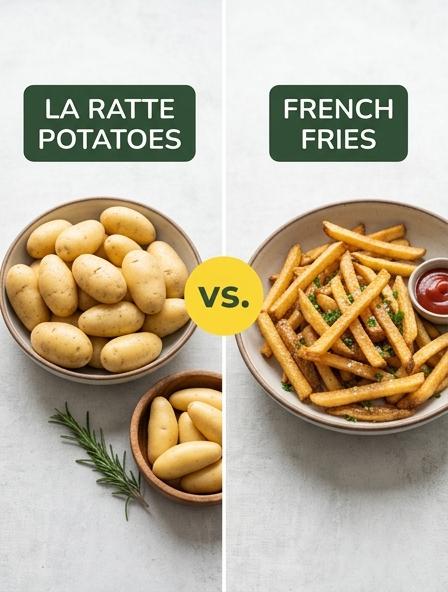
Nutritional differences between waxy heritage tubers and deep fried sticks
La Ratte potatoes are esteemed heritage tubers, characterized by their firm, waxy texture and distinct nutty essence. From a nutritional standpoint, these potatoes possess a lower glycemic index compared to starchy varieties, retaining high levels of potassium and Vitamin C when prepared through steaming or light roasting. Conversely, French fries are typically derived from high-starch potatoes and undergo a deep-frying process that dramatically elevates caloric density and lipid content.
| Attribute | La Ratte (Steamed) | French Fries (Deep-Fried) |
|---|---|---|
| Preparation Fat | Minimal to none | High oil absorption |
| Glycemic Impact | Moderate/Low | High |
| Micronutrients | High retention | Significant loss |
You might prefer the elegant, buttery finish of a boiled La Ratte for a sophisticated Mediterranean salad, while reaching for golden, crispy fries when you crave the ultimate salty comfort food during a casual night out.
Caloric density of boiled garden produce and oil cooked sides
Understanding the caloric density between La Ratte potatoes and French fries requires looking at how cooking methods alter nutritional profiles. La Ratte potatoes, a prized heirloom variety, are traditionally boiled or steamed to highlight their waxy texture and nutty notes. This preparation method keeps the caloric density low, as the potato retains water and requires no added fats.
- Boiled La Ratte: Approximately 80 calories per 100g, consisting primarily of complex carbohydrates and water.
- French Fries: Typically exceed 310 calories per 100g due to significant oil absorption and moisture loss during deep-frying.
The transition from a simple garden tuber to an oil-cooked side dramatically increases energy density. While deep-frying creates a crispy exterior, it replaces the potato's natural hydration with lipids, tripling the calorie count compared to the gentle simmering of garden-fresh produce.
Culinary enthusiasts often choose steamed La Ratte potatoes tossed in fresh herbs for elegant dinner parties to provide a gourmet, buttery experience without the heavy caloric impact of traditional fried sides.
Vitamin preservation in steamed starches versus high heat frying
The nutritional profile of a potato is heavily dictated by its preparation. La Ratte potatoes, prized for their waxy texture and nutty undertones, are best prepared through steaming. This gentle, moist-heat method preserves water-soluble vitamins that are otherwise destroyed by the extreme temperatures of a deep fryer.
- Vitamin C: Steaming retains up to 80% of this antioxidant, whereas frying causes significant degradation due to oxidation.
- B-Complex Vitamins: Heat-sensitive B6 and folate remain stable in steamed La Ratte tubers but dissipate in boiling oil.
- Phytochemicals: The delicate skin of the La Ratte holds nutrients that stay intact during steaming.
While French fries offer a satisfying crunch, the immersion in oil exceeding 175°C results in a caloric spike and a sharp decline in micronutrient density. You will love serving steamed La Ratte potatoes drizzled with sea salt and chives to experience a gourmet, nutrient-dense side dish that far surpasses the empty calories of standard fries.
Digestive health impact of slow carbs and fast cooking items
The metabolic distinction between La Ratte potatoes and deep-fried French fries centers on how starch structure affects digestion. La Ratte potatoes are prized "slow carbs"; their firm, waxy texture and higher amylose content result in a lower glycemic index. When steamed or roasted, they provide a steady release of glucose, which supports gut microbiome health through resistant starch.
In contrast, French fries are "fast cooking" items subjected to high-heat submersion in oil. This process breaks down complex carbohydrates into simple sugars rapidly, leading to sharp insulin spikes and potential digestive inflammation. The differences are summarized below:
- La Ratte: High satiety, rich in potassium, promotes stable energy.
- French Fries: High caloric density, lower nutrient retention, faster gastric emptying.
Imagine a fitness enthusiast opting for chilled La Ratte potato salad as a pre-workout meal to maintain consistent energy levels without the heavy, bloated feeling often caused by greasy fast food.
Textural performance of firm whole roots and crispy processed sides
When comparing the culinary utility of La Ratte potatoes against traditional French fries, the primary distinction lies in starch composition and cellular structure. La Ratte, a premium waxy heirloom variety, is celebrated for its dense, buttery texture that remains intact during boiling or roasting. In contrast, French fries-typically derived from high-starch Russet varieties-rely on rapid moisture evaporation during frying to achieve a dual-texture profile: a brittle, golden crust and a mealy, aerated interior.
- La Ratte: Low starch and thin skin; provides a silk-like mouthfeel and nutty undertones.
- French Fries: High amylose content; engineered for maximum oil absorption and structural rigidity.
While the processed fry offers an addictive snap, the whole La Ratte root provides a sophisticated, waxy bite that absorbs emulsified sauces without disintegrating. You might choose the refined, roasted La Ratte to elevate a gourmet dinner plate, whereas a craving for high-impact salt and crunch will always lead you toward a basket of classic golden fries.
Flavor profiles of fresh soil grown crops and seasoned frozen products
The culinary distinction between La Ratte potatoes and frozen French fries lies in the balance of natural terroir versus processed enhancement. La Ratte, a premium heirloom variety, is celebrated for its waxy texture and a sophisticated flavor profile featuring distinct notes of chestnut and fresh butter derived directly from the soil.
- La Ratte: Delivers a subtle, earthy sweetness and a nutty aroma that persists after gentle steaming or roasting.
- Frozen Fries: Prioritize high-impact palatability, characterized by heavy sodium, vegetable oil saturation, and a uniform starchy finish.
Freshly harvested crops retain mineral nuances that are often lost in frozen products, which instead rely on seasonings and texturizers to ensure a consistent crunch. While the La Ratte offers a complex "farm-to-table" experience, seasoned fries are engineered for immediate savory satisfaction.
Gourmet chefs often select the delicate La Ratte to complement a pan-seared sea bass, whereas families typically crave the reliable, salty crunch of seasoned frozen fries during a casual backyard barbecue.
Environmental sustainability of small farm harvests and industrial processing
The ecological footprint of potato consumption varies significantly between artisan La Ratte cultivation and industrial French fry production. Small-scale farms growing La Ratte potatoes typically prioritize soil health through crop rotation and manual harvesting, which reduces reliance on heavy fossil-fuel-powered machinery.
| Impact Factor | La Ratte (Small Farm) | Industrial French Fries |
|---|---|---|
| Carbon Footprint | Low (Local distribution) | High (Global shipping/Freezing) |
| Processing Energy | Minimal (Raw/Fresh) | Massive (Blanching/Frying) |
Conversely, industrial French fries demand high-intensity monoculture and energy-exhaustive processing facilities. The lifecycle of a frozen fry includes massive water consumption for peeling and constant refrigeration, contributing to a larger environmental strain. Choosing heirloom varieties like the La Ratte supports agricultural biodiversity and reduces the chemical runoff associated with mass-market potato farming.
You might opt for the sustainably harvested La Ratte when preparing a refined seasonal salad to ensure your culinary choices align with eco-friendly values.
Home kitchen efficiency for fresh vegetables and convenience bags
Optimizing your kitchen workflow often involves a trade-off between the artisanal quality of fresh produce and the speed of processed goods. La Ratte potatoes represent a unique "fast-fresh" hybrid; unlike standard russets, their delicate, paper-thin skins require no peeling, significantly reducing prep time. In contrast, frozen convenience bags offer pre-sliced consistency but often contain additives and preservatives.
- La Ratte Potatoes: High nutrient density, nutty flavor, and minimal prep due to edible skins.
- Frozen French Fries: Instant cook times, uniform texture, and long-term freezer stability.
While frozen bags win on pure speed, La Ratte potatoes provide a superior culinary experience without the labor-intensive peeling associated with traditional mash or fries. This makes them the ideal choice for health-conscious cooks who refuse to sacrifice flavor for time. You might find yourself reaching for a bag of La Ratte potatoes when you want a sophisticated, rosemary-roasted side dish that goes from the pantry to the oven in under five minutes.
Blood sugar response to natural starch and fried alternatives
The metabolic impact of potatoes is dictated by their starch structure and cooking method. La Ratte potatoes, a waxy heirloom variety, possess a dense cellular matrix that resists rapid enzymatic breakdown. When boiled or steamed, they maintain a lower glycemic index compared to starchy varieties, leading to a more stable release of glucose into the bloodstream.
In contrast, French fries are typically made from floury potatoes and subjected to high-heat frying. This process gelatinizes the starch, making it highly bioavailable. While the fat from frying can slightly delay gastric emptying, the overall glycemic load remains significantly higher than that of a whole, boiled tuber.
- La Ratte: High in resistant starch (especially when cooled), promoting satiety and gut health.
- French Fries: High caloric density and rapid insulin response, often leading to energy crashes.
Health-conscious foodies often prefer serving chilled La Ratte potatoes in a vinaigrette-based salad to maximize resistant starch and keep blood sugar levels steady during a busy workday.
Grocery budget considerations for premium crops and mass market options
Navigating the produce aisle requires balancing culinary quality with financial practicality. La Ratte potatoes represent the premium tier; as heirloom crops with lower yields and specific soil requirements, they command a significantly higher price point. Conversely, mass-market frozen French fries leverage industrial scaling and commodity russet potatoes to remain a budget-friendly staple for families.
| Factor | La Ratte (Premium) | French Fries (Mass Market) |
|---|---|---|
| Price Point | High / Specialty | Low / Value-driven |
| Preparation | Artisanal / Slow Food | Convenient / Quick |
While specialty potatoes elevate the grocery bill, they provide an artisanal experience that processed alternatives cannot replicate. Budgeting for premium ingredients is often reserved for specific culinary goals rather than daily sustenance. You might choose a small bag of La Ratte potatoes for a romantic candlelit dinner where their nutty flavor takes center stage, while relying on bulk frozen fries for an effortless and affordable Tuesday night family side dish.
La Ratte Potatoes vs French Fries source and external links
- La Ratte potatoes are a small, heirloom variety highly prized by gourmet chefs for their unique nutty flavor and smooth, buttery texture. Learn more about La Ratte potatoes.
- French fries are a globally popular side dish consisting of deep-fried potato strips that are typically served hot and seasoned with salt. Read more about the history of French fries.