
Key Lime vs Persian Lime : Comparing Flavor, Juice, and Zesting Differences
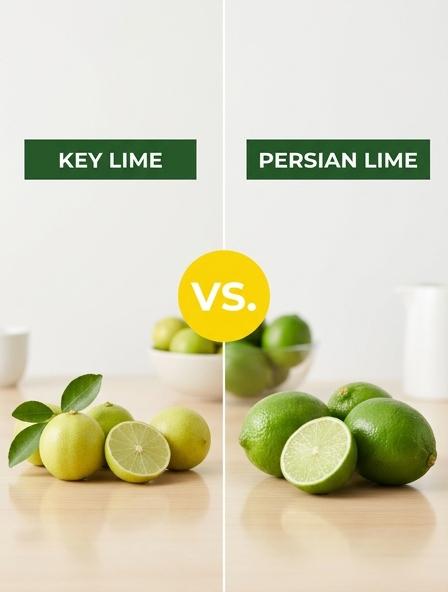
When choosing between Key limes and Persian limes, understanding their distinct culinary profiles is essential for achieving the perfect citrus balance. Small and aromatic, Key limes offer a uniquely floral, high-acid flavor that defines classic desserts, though their thin skins and numerous seeds make juicing and zesting more labor-intensive. In contrast, the ubiquitous Persian lime is the seedless, juicy workhorse of the kitchen, featuring a thicker rind ideal for effortless zesting and bright garnishes. Whether you prioritize the complex, punchy aromatics of the Key variety or the reliable, tart convenience of the Persian lime, selecting the right fruit depends on your specific needs for flavor intensity and preparation ease.
Flavor Profiles and Acidity Levels in Baking
Choosing between Key limes and Persian limes significantly impacts the structural and sensory balance of baked goods. Persian limes, the common grocery variety, offer a bright, acidic juice with a clean citrus finish and high water content. In contrast, Key limes are prized for their intense, floral aroma and higher acidity levels, which interact uniquely with fats and sugars.
- Key Lime: Tart, aromatic, and complex; best for dense custards.
- Persian Lime: Juicy, mild, and zesty; ideal for light sponges and glazes.
While Persian limes provide volume and consistent moisture, Key limes deliver a concentrated tang that cuts through the richness of sweetened condensed milk. You might prefer the sharp, nostalgic bite of a traditional Key lime pie for a summer party, whereas a zesty Persian lime loaf cake offers a more subtle, crowd-pleasing refreshment.
Juice Volume and Texture in Everyday Recipes
Understanding the yield difference between Key limes and Persian limes is essential for culinary accuracy. Persian limes are the grocery store standard, prized for their high water content and seedless interior. One Persian lime typically yields about two tablespoons of juice. In contrast, Key limes are significantly smaller with thinner rinds, producing only about two teaspoons of juice per fruit. This disparity means you often need a higher quantity of Key limes to reach the volume required by most recipes.
- Persian Lime: High juice volume, easy to squeeze, seedless.
- Key Lime: Lower volume, contains seeds, higher acidity and floral aroma.
While Persian limes offer convenience for high-volume needs like marinades, the Key lime's concentrated flavor provides a unique tartness that defines specific desserts. You might spend the extra effort juicing a dozen tiny Key limes just to ensure your signature tart has that authentic, aromatic punch your guests love.
Aromatic Impact on Sweet and Savory Dishes
The culinary choice between Key limes and Persian limes often hinges on their distinct aromatic profiles. Key limes are prized for their intense, floral fragrance and high acidity, which become more pronounced when concentrated. Conversely, Persian limes-the common grocery store variety-offer a milder, crisp citrus scent and a juice profile that provides a balanced, bright finish without overpowering other ingredients.
- Key Limes: Highly aromatic with tart, herbal undertones; essential for neutralizing the sweetness of heavy creams.
- Persian Limes: Clean and zesty; perfect for adding a refreshing bite to proteins and fresh produce.
While a splash of Persian lime juice perfectly brightens a spicy shrimp ceviche, many enthusiasts insist that only the complex, tropical perfume of authentic Key limes can create the soulful depth required for a classic backyard custard pie.
Skin Thickness and Zesting Performance
The physical composition of the rind significantly impacts how these citrus fruits are handled in the kitchen. Persian limes feature a thick, leathery skin that provides a substantial layer of zest, making them easy to grate without hitting the bitter pith. Conversely, Key limes have exceptionally thin, smooth skins that are fragile and prone to tearing during preparation.
- Persian Limes: Large surface area and durable rinds allow for quick, high-volume zesting for batters and garnishes.
- Key Limes: Their small size and paper-thin rinds require a delicate hand, though their zest contains more highly concentrated aromatic oils.
Professional pastry chefs often choose the sturdy Persian lime when they need long, decorative curls of zest to crown a lime chiffon cake.
Nutritional Density and Vitamin Comparisons
Both Key limes and Persian limes are nutritional powerhouses, primarily valued for their high Vitamin C content and potent antioxidant properties. While they share a similar biological makeup, their nutritional density varies due to size and acidity. Key limes are smaller and more acidic, which often results in a higher concentration of nutrients and aromatic oils per gram. In contrast, the larger Persian lime provides a greater absolute volume of juice, making it an efficient source of potassium and dietary fiber.
- Vitamin C: Essential for immune support and collagen synthesis.
- Antioxidants: Both varieties contain flavonoids that help combat oxidative stress.
- Minerals: They provide trace amounts of magnesium and potassium for heart health.
While both fruits support a healthy lifestyle, their distinct profiles suit different culinary needs. You might prefer the intense, nutrient-dense zest of a Key lime when crafting a gourmet curd, whereas a Persian lime is your go-to for a refreshing, high-volume Vitamin C boost in a large pitcher of summer limeade.
Influence on Marinade and Sauce Consistency
The choice between Key limes and Persian limes significantly alters the viscosity and chemical reaction within culinary preparations. Key limes boast a higher citric acid concentration and more potent aromatic oils, which play a crucial role in protein denaturation. This makes them exceptionally effective at "cooking" raw fish in ceviche or quickly tenderizing tough fibers in meat marinades.
Conversely, Persian limes offer a higher juice volume and a more moderate pH level. This provides more liquid bulk, making them more predictable when creating stable emulsions or thinning out heavy sauces. Consider these functional differences:
- Key Limes: Intensive acidity promotes rapid firming and structural breakdown of proteins.
- Persian Limes: Higher juice yield ensures a thinner, more pourable sauce consistency without overwhelming tartness.
Home chefs often reach for Persian limes when whisking a silky cilantro-lime dressing, while professional pitmasters prefer the potent sting of Key limes for a fast-acting poultry brine.
Storage Longevity and Kitchen Freshness
When comparing Key limes and Persian limes, shelf life is a primary differentiator. Persian limes are the grocery store standard because of their thick, hardy rinds, which protect the fruit from dehydration. These limes can remain fresh in a refrigerator crisper drawer for up to four weeks. In contrast, Key limes are much more delicate due to their paper-thin skins. They ripen quickly, turning from green to yellow, and usually stay fresh for only about two weeks before they begin to shrivel.
- Persian Limes: Thick-skinned, lasts 3–4 weeks refrigerated.
- Key Limes: Thin-skinned, lasts 1–2 weeks refrigerated.
To extend the life of either variety, store them in a sealed plastic bag to retain moisture levels. You likely prefer stocking up on Persian limes for your daily hydration needs, but you should only grab a bag of Key limes when you are ready to bake that signature, aromatic pie over the weekend.
Preparation Time and Seed Content Differences
The primary distinction between Key limes and Persian limes lies in the labor required for culinary preparation. Key limes are significantly smaller and have thinner skins, meaning you must juice many more fruits to achieve the same volume as a single Persian lime. Additionally, the internal structure differs greatly regarding seed density:
- Key Limes: Contain numerous small seeds that necessitate careful straining during juice extraction.
- Persian Limes: Typically hybridized to be seedless and much larger, allowing for rapid slicing and efficient juicing.
Because of these physical traits, Key limes are often reserved for specialized recipes where their unique floral aroma justifies the extra effort. You will likely reach for the efficient, seedless Persian lime when you need to quickly garnish a tray of street tacos or squeeze fresh juice into a round of cocktails for a large group of friends.
Seasonal Availability and Grocery Budget Considerations
Choosing between Key limes and Persian limes often depends on your timing and budget. Persian limes are the ubiquitous supermarket staple, available year-round at a low cost due to their hardy nature and global cultivation. In contrast, Key limes are highly seasonal, typically peaking in the summer months, and often command a higher price point per pound.
- Persian Limes: Consistent year-round stock and budget-friendly pricing.
- Key Limes: Limited seasonal windows and higher cost per ounce of juice.
Because Key limes are significantly smaller and contain more seeds, you may need to purchase nearly a dozen fruits to match the juice yield of just two or three Persian limes. This can quickly inflate your grocery bill if you are prepping for a large event. Many home bakers specifically wait for the summer harvest to splurge on a bag of fresh Key limes, ensuring their signature pies have that authentic, tart punch that citrus lovers crave.
Ripeness Indicators and Visual Presentation in Dishes
Identifying the difference between Key and Persian limes begins with color and scale. Key limes are small, spherical fruits that reach peak ripeness when their skin transitions from green to a pale yellow. Conversely, Persian limes are larger, oval-shaped, and typically sold while vivid green, though they turn yellow only as they over-mature. Their visual impact on culinary presentation varies significantly:
| Feature | Key Lime | Persian Lime |
|---|---|---|
| Skin Texture | Thin and Smooth | Thick and Pitted |
| Ripe Color | Pale Yellowish | Bright Green |
Because Key limes have thinner rinds and more seeds, they offer a subtle, rustic appearance in traditional desserts. Persian limes provide thick, zest-heavy rinds that create the iconic emerald curls used in professional garnishing. You might prefer the vibrant, emerald slices of a Persian lime to crown a summer cocktail, whereas the pale, authentic hue of Key lime juice defines a classic Floridian custard.
Key Lime vs Persian Lime source and external links
- The Key lime is a small, aromatic citrus hybrid prized for its high acidity and strong floral scent.
- The Persian lime is the most commonly cultivated lime variety in the world, known for being seedless and having a thicker skin than other varieties.