
Jasmine Rice vs Sushi Rice: Which is Best for Texture, Nutrition, and Culinary Performance?
Comparing Starch Content in Long and Short Grains
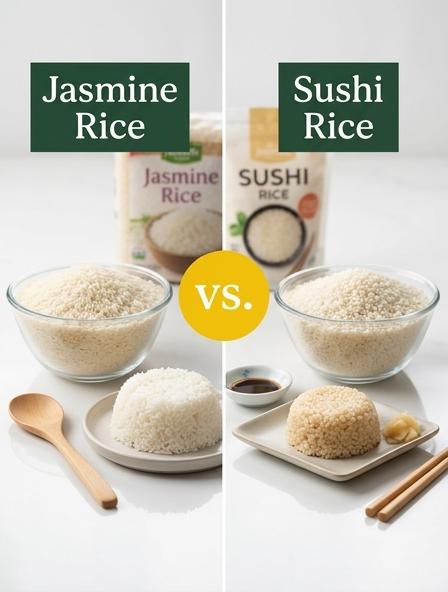
The fundamental difference between jasmine and sushi rice lies in their starch profiles, specifically the ratio of amylose to amylopectin. Jasmine rice, a premium long-grain variety, contains a higher percentage of amylose. This molecular structure ensures that the grains remain distinct, firm, and fluffy after steaming, preventing them from clumping together.
In contrast, sushi rice is a short-grain cultivar dominated by amylopectin. This starch type gelatinizes during the cooking process, creating the signature "sticky" or cohesive texture required for traditional Japanese cuisine.
- Jasmine Rice: High amylose content leads to dry, separate grains.
- Sushi Rice: High amylopectin content creates a moist, adhesive quality.
You will likely prefer the airy texture of jasmine rice for a fragrant coconut curry, whereas sushi rice is your indispensable tool when you need a sticky, moldable base for crafting professional-grade spicy tuna rolls.
Nutritional Variations in Aromatic and Glutinous Varieties
While jasmine and sushi rice are both primarily composed of complex carbohydrates, their starch structures create different nutritional impacts. Jasmine rice is a long-grain aromatic variety containing more amylose, which results in a fluffier texture and a slightly slower digestion rate. Conversely, sushi rice is a short-grain japonica variety high in amylopectin, giving it a glutinous, sticky consistency and a higher glycemic index.
- Jasmine Rice: Offers a subtle floral aroma and is typically lower in sodium.
- Sushi Rice: Provides a dense energy source but often includes added sugars and salts from traditional vinegar seasoning.
Both varieties are naturally gluten-free and low in fat, making them excellent energy bases for diverse diets. You might choose the light, airy grains of jasmine rice for a fragrant chicken stir-fry, or opt for the high-starch grip of sushi rice when you want to craft the perfect hand-pressed nigiri that holds its shape beautifully.
Texture Performance in Steamed and Seasoned Dishes
The culinary utility of jasmine and sushi rice is defined by their starch compositions. Jasmine rice is a long-grain variety that remains light, airy, and distinct after steaming. Its subtle stickiness allows it to carry sauces without becoming a homogenous mass. In contrast, sushi rice is a short-grain variety with high amylopectin content, creating a glue-like cohesion necessary for structural integrity.
| Attribute | Jasmine Rice | Sushi Rice |
|---|---|---|
| Grain Structure | Long and slender | Short and plump | Cooked Texture | Soft yet separate | Sticky and chewy |
When seasoned, jasmine rice absorbs liquid fats like coconut milk efficiently, while sushi rice relies on a vinegar-sugar-salt brine to enhance its natural tackiness. You will appreciate the fluffy separation of jasmine rice when pairing it with a saucy green curry, whereas the dense, moldable nature of sushi rice is essential when you are pressing together a fresh tuna nigiri or hand-rolled temaki.
Glycemic Index Differences Across Common Grain Types
The glycemic index (GI) measures how rapidly carbohydrates convert into glucose within the bloodstream. Both jasmine and sushi rice are considered high-GI foods, yet they possess distinct structural characteristics that affect digestion.
- Jasmine Rice: A long-grain variety typically ranging from 68 to 80 on the GI scale. Its high amylopectin content allows for quick enzymatic breakdown.
- Sushi Rice: A short-grain Japonica rice with a GI often hovering around 70. While high, the traditional addition of vinegar can slightly lower the meal's overall glycemic response.
The choice between these grains often hinges on metabolic needs and culinary functionality. Jasmine rice offers a fluffy, floral experience, while the starch profile of sushi rice provides the essential stickiness for molded shapes. Both should be balanced with fiber and protein to mitigate sharp insulin spikes.
You might opt for the light, aromatic jasmine rice for a fast-absorbing post-workout meal, or reach for sushi rice when you need that signature clingy texture for a homemade poke bowl night.
Moisture Absorption and Final Consistency in the Kitchen
The culinary performance of Jasmine and sushi rice is primarily defined by their starch profiles. Jasmine rice, a long-grain cultivar, absorbs water to produce separate, fluffy grains with a light, slightly dry finish. In contrast, sushi rice is a short-grain variety high in amylopectin. This starch allows the rice to absorb moisture while developing a sticky, glutinous bond that is essential for structural integrity in specific dishes.
| Rice Type | Absorption Style | Final Consistency |
|---|---|---|
| Jasmine | Minimal cling, expands lengthwise | Fluffy and individual |
| Sushi | High cling, absorbs deeply | Sticky and cohesive |
You will likely reach for Jasmine rice when preparing a fragrant Thai curry where the sauce needs to coat individual grains, whereas sushi rice is your go-to when you need to hand-press seasoned grains into firm, bite-sized nigiri.
Fragrance Profiles Versus Neutral Culinary Bases
The primary distinction between Jasmine and sushi rice lies in their aromatic properties and intended culinary roles. Jasmine rice, a long-grain variety from Southeast Asia, is celebrated for its natural "pandan" or popcorn-like fragrance. This floral profile is meant to enhance the dish, making it a flavorful companion to spicy curries and stir-frys.
Conversely, sushi rice (typically short-grain Japonica) acts as a neutral canvas. Its purpose is to provide a starchy, sticky texture that holds shape while absorbing the specific balance of rice vinegar, sugar, and salt. While Jasmine stands out with its scent, sushi rice recedes to highlight the ingredients it carries.
- Jasmine Rice: Floral aroma, long-grain, fluffy texture.
- Sushi Rice: Neutral flavor, short-grain, high stickiness.
You might choose the fragrant steam of Jasmine rice to balance a spicy red curry, whereas you would rely on the neutral, vinegared bite of sushi rice when crafting delicate hand-rolled nigiri.
Caloric Density and Satiety of Traditional Staples
When comparing Jasmine and sushi rice, their caloric density is remarkably similar, typically ranging from 200 to 240 calories per cooked cup. However, their impact on satiety differs due to grain structure and starch composition. While both are primary carbohydrate sources, the physical experience of fullness varies based on how they are prepared and consumed.
- Jasmine Rice: A long-grain variety with a fluffy, airy texture that offers a lighter mouthfeel.
- Sushi Rice: A short-grain variety high in amylopectin, creating a sticky, dense consistency that provides a more concentrated bite.
Satiety is also influenced by additives; sushi rice is traditionally seasoned with vinegar, sugar, and salt, which slightly elevates its caloric profile compared to plain steamed Jasmine rice. Because of its cohesive nature, sushi rice can feel more filling in smaller volumes. For a balanced dinner, many people love the floral aroma of Jasmine rice paired with a light vegetable stir-fry, whereas others prefer the dense, vinegared bite of sushi rice to provide lasting energy during a long afternoon.
Structural Integrity and Binding Properties During Preparation
The primary difference in structural integrity between Jasmine and sushi rice stems from their starch profiles. Jasmine rice is a long-grain variety with a lower amylopectin content, ensuring the grains remain light, fluffy, and distinct after steaming. In contrast, sushi rice consists of short-grain cultivars that release high amounts of starch, creating the sticky, cohesive texture necessary for shaping.
- Jasmine Rice: Features a sturdy, elongated shape that resists clumping, making it ideal for tossing.
- Sushi Rice: Possesses high glutinous properties that act as a natural binder when seasoned with vinegar.
While Jasmine rice provides the perfect airy foundation for a saucy Thai green curry, sushi enthusiasts rely on the superior "glue-like" grip of short-grain rice to ensure their intricate spicy tuna rolls don't fall apart during the first bite.
Impact on Digestive Health and Fiber Intake
When comparing jasmine and sushi rice, both are predominantly refined white grains, meaning they are relatively low in dietary fiber. This characteristic makes them easy to digest and ideal for individuals with sensitive stomachs or those requiring a low-residue diet. However, jasmine rice is frequently available in a whole-grain brown variety, which significantly boosts fiber intake compared to traditional short-grain sushi rice.
- Jasmine Rice: The white version is gentle on the gut, while brown jasmine provides roughly 3g of fiber per cup to support regularity.
- Sushi Rice: Its high amylopectin starch content creates a sticky texture that is easy to chew but offers minimal fiber (usually less than 1g).
Because both varieties have a high glycemic index, pairing them with fibrous vegetables is recommended for optimal digestive balance. You might choose aromatic jasmine for a quick-digesting meal before the gym or reach for sushi rice when crafting sticky, vinegar-seasoned rolls for a comforting weekend dinner.
Visual Presentation and Mouthfeel of Diverse Grain Options
Choosing between jasmine and sushi rice significantly alters a dish's aesthetic and textural profile. Jasmine rice is a long-grain variety characterized by its slender, translucent appearance. Once cooked, the grains remain distinct, elongated, and fluffy, providing a light mouthfeel. In contrast, sushi rice is a short-grain Japonica variety that appears plump and opaque. Its high amylopectin content creates a sticky, glutinous texture that allows grains to adhere to one another.
- Jasmine Rice: Long, elegant grains with a dry, airy separation.
- Sushi Rice: Short, rounded grains with a glossy, cohesive, and chewy bite.
The visual distinction is clear: jasmine offers a scattered, voluminous look, while sushi rice provides a dense, moldable foundation. These structural differences dictate how the rice carries flavors and interacts with other ingredients. You might prefer the aromatic, fluffy grains of jasmine to soak up a rich coconut curry, whereas the firm, vinegared grip of sushi rice is exactly what people want when crafting stable, hand-pressed Nigiri.
Jasmine Rice vs Sushi Rice source and external links
- Known for its floral aroma and soft texture, Jasmine rice is a long-grain variety that serves as a staple in Southeast Asian cuisine.
- To create the perfect base for traditional Japanese rolls, chefs use a seasoned, short-grain variety specifically prepared as sushi rice.