
Japanese Sweet Potato vs Sweet Potato : The Differences in Texture, Nutrition, and Cooking Performance
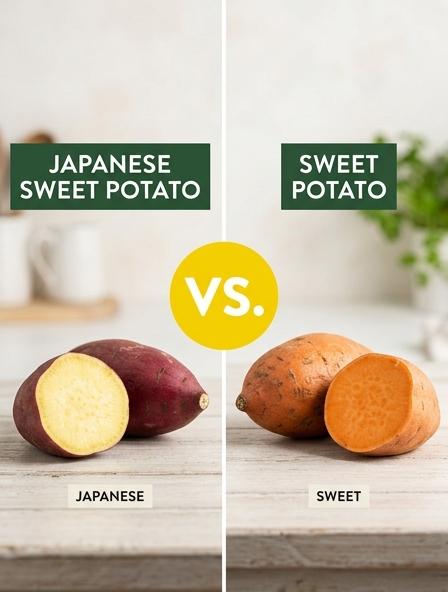
Textural distinctions between starchy white and moist orange flesh
The mouthfeel of these tubers varies significantly based on their moisture content and starch-to-sugar ratio. Japanese sweet potatoes are renowned for their dense, starchy interior, which creates a dry, fluffy texture similar to a roasted chestnut. In contrast, standard orange-fleshed varieties, such as Jewel or Garnet, contain significantly more water, resulting in a soft, syrupy, and melting consistency once cooked.
- Japanese (White/Yellow Flesh): Firm, cake-like, and creamy.
- Orange (Standard Flesh): Moist, mashable, and occasionally fibrous.
While orange potatoes are perfect for moist mashes and casseroles, the Japanese variety maintains its structural integrity during high-heat roasting. You will love the Japanese sweet potato as a satisfying, standalone snack, where its hearty, bread-like crumb provides a filling alternative to the often mushy texture of traditional holiday yams.
Nutrient density in purple-skinned versus orange-fleshed roots
Understanding the nutritional differences between Japanese sweet potatoes and orange-fleshed varieties helps in tailoring your diet to specific health goals. While both are complex carbohydrates, their micronutrient profiles diverge significantly based on their pigments.
- Beta-carotene: Orange-fleshed potatoes are superior sources of this precursor to Vitamin A, which is vital for vision and skin health.
- Antioxidants: The purple skin of the Japanese variety is rich in anthocyanins, powerful antioxidants that help combat oxidative stress.
- Texture and Satiety: Japanese potatoes are starchier and more calorie-dense, providing sustained energy compared to the softer, more moist orange roots.
Both varieties provide ample potassium and Vitamin C, though the Japanese type offers a slightly lower glycemic response when prepared traditionally. You might prefer roasting the Japanese variety whole to enjoy its creamy, chestnut-like flavor as a nutrient-dense afternoon snack that keeps you full until dinner.
Roasting performance of dense versus high-moisture cultivars
The roasting outcome of sweet potatoes is primarily dictated by their starch-to-water ratio. Dense cultivars, such as the Japanese Satsumaimo, feature a lower moisture content that produces a cake-like, creamy interior when baked. In contrast, high-moisture cultivars, like the common orange Garnet or Jewel, tend to collapse into a jammy, syrupy consistency during the roasting process due to higher water levels and faster sugar conversion.
- Dense Cultivars: Maintain structural integrity, offering a nutty, chestnut-like finish and crispy skin.
- High-Moisture Cultivars: Caramelize deeply and become soft enough to scoop directly from the skin.
Health-conscious snackers often choose the dense Japanese variety for making air-fried wedges that stay firm and satisfying, while home cooks reach for high-moisture types to create the classic, silky texture required for holiday mashes and casseroles.
Glycemic impact and sugar levels in different garden tubers
Understanding the nutritional profile of the Japanese sweet potato versus the common orange variety is essential for managing blood glucose. Japanese sweet potatoes (Satsumaimo) are distinctively starchy and sweet, often possessing a higher concentration of maltose after cooking. While both tubers are nutrient-dense, their glycemic index (GI) fluctuates significantly based on thermal preparation.
- Japanese Sweet Potato: Contains higher dry matter and starch, resulting in a medium-to-high GI when roasted.
- Orange Sweet Potato: Generally has a slightly lower GI and higher moisture content, alongside high levels of beta-carotene.
The metabolic impact is also influenced by fiber content, which helps mitigate rapid insulin spikes. Boiling these tubers typically preserves a lower glycemic load compared to the caramelization that occurs during high-heat baking. You might reach for the starchy Japanese variety when craving a healthy, candy-like treat, whereas the orange sweet potato serves as a perfect low-GI staple for your meal-prepped lunches.
Fiber density and digestive effects of common staples
When comparing the Japanese sweet potato (Satsumaimo) to the common orange variety, fiber density significantly influences satiety and metabolic health. Japanese sweet potatoes are structurally denser and starchier, often providing a higher concentration of insoluble fiber per gram. This density contributes to a lower glycemic response by slowing the breakdown of carbohydrates into glucose.
- Japanese Sweet Potato: Boasts a thick skin and creamy flesh rich in prebiotics, aiding in long-term gut microbiome diversity.
- Orange Sweet Potato: Contains higher water content and soluble fiber, which helps soften stool and manage cholesterol levels.
Both tubers contain resistant starch, a type of fiber that escapes digestion in the small intestine to fuel beneficial bacteria in the colon. While orange potatoes offer superior Vitamin A, the Japanese variety is often preferred for its superior ability to provide lasting fullness and digestive regularity. You might reach for a roasted Japanese sweet potato as a pre-gym snack when you need sustained energy without the digestive heaviness of grains.
Heat response of firm versus soft-cooking varieties
The culinary transformation of sweet potatoes depends heavily on their starch-to-moisture ratio. Japanese sweet potatoes are classified as firm-cooking varieties. Due to their high amylopectin content and lower moisture, they retain a dense, upright structure when exposed to high heat, whereas standard orange sweet potatoes are soft-cooking varieties that collapse into a purée-like consistency.
- Japanese Varieties: Heat creates a dry, fluffy, and cake-like crumb similar to a roasted chestnut.
- Orange Varieties: Heat triggers high amylase activity, converting starches into maltose and resulting in a syrupy, moist texture.
This difference in thermal response dictates their best culinary uses. While orange tubers are ideal for silky mashed sides, many enthusiasts prefer slow-roasting a whole Japanese sweet potato in foil until the interior becomes a steaming, starchy gold mine that can be sliced and eaten by hand like a natural pastry.
Vitamin concentration in various pigmented crops
The nutritional profile of a sweet potato is largely dictated by its pigmentation. While standard orange-fleshed varieties are renowned for their massive concentrations of beta-carotene (Provitamin A), the Japanese sweet potato (Satsumaimo) offers a different vitamin density, particularly in its yellow flesh and purple skin.
| Nutrient | Orange Sweet Potato | Japanese Sweet Potato |
|---|---|---|
| Vitamin A | Extremely High | Moderate |
| Vitamin C | Moderate | High (Heat-stable) |
| Vitamin B6 | Standard | Concentrated |
Japanese sweet potatoes contain a unique, heat-stable form of Vitamin C that remains effective even after roasting. This makes them a functional powerhouse for immune support compared to other starchy crops.
Home cooks love roasting these tubers whole until the skin carmelizes, as the chestnut-like sweetness and high Vitamin C content make it the perfect pre-workout fuel for endurance athletes.
Structural integrity during steaming and boiling processes
The primary difference in structural integrity between Japanese and standard sweet potatoes lies in their starch-to-moisture ratio. Japanese sweet potatoes possess a high starch density and lower water content, which allows them to maintain a firm, cake-like consistency even after prolonged steaming or boiling. Unlike the orange-fleshed varieties, they do not collapse into a watery mash or lose their shape.
| Feature | Japanese Sweet Potato | Orange Sweet Potato |
|---|---|---|
| Cooking Result | Firm and fluffy | Soft and moist |
| Shape Retention | High (remains intact) | Low (tends to dissolve) |
You will find the Japanese variety superior when preparing a traditional simmered dish or a bento box, as it ensures your vegetable cubes stay perfectly defined and aesthetically pleasing rather than turning into a puree.
Caloric distribution and fullness in varied starch sources
While both Japanese sweet potatoes (Satsumaimo) and standard orange-fleshed varieties offer roughly 100 to 115 calories per 100 grams, their impact on satiety differs due to starch density. The Japanese variety is significantly drier and more "mealy," containing a higher concentration of complex starches compared to the more watery, fibrous orange cultivars. This density influences how the body processes these calories, often resulting in a higher fullness factor.
- Japanese Variety: High amylose content, dense texture, and lower glycemic load when roasted.
- Standard Variety: Higher moisture content, rapid sugar conversion, and high beta-carotene.
The caloric distribution in these tubers is almost entirely carbohydrate-based, but the resistant starch found in the Japanese purple-skinned variety provides a slower energy release.
Fitness enthusiasts often reach for a chilled, roasted Japanese sweet potato as a pre-workout snack because its dense structure provides a steady supply of glucose and a lasting sense of fullness that fuels long training sessions.
Storage life and moisture retention of distinct root types
Understanding the structural differences between Japanese and regular sweet potatoes is essential for optimal shelf life. Japanese sweet potatoes (Satsumaimo) possess a lower moisture content and higher starch density, resulting in a firm, chestnut-like texture. Conversely, orange-fleshed varieties are high in water and natural sugars, making them more susceptible to bruising and rapid softening over time.
| Feature | Japanese (Satsumaimo) | Regular (Orange) |
|---|---|---|
| Moisture Level | Low / Starchy | High / Succulent |
| Storage Profile | Longer shelf life if kept dry | Prone to moisture loss |
While both thrive in cool, dark environments, the Japanese variety's low water activity helps it maintain its density during long-term storage. You might prefer the dense Japanese type when meal-prepping roasted rounds that need to maintain their structural integrity and nutty sweetness throughout the week.
Japanese Sweet Potato vs Sweet Potato source and external links
- Known for their purple skin and creamy yellow flesh, the Japanese Sweet Potato is prized for its exceptionally sweet, chestnut-like flavor and dense texture.
- The Sweet Potato is a nutritious, starchy root vegetable that comes in various colors and is widely used in global cuisine for both savory and sweet dishes.