
Invert Sugar vs Brown Sugar: The Differences in Baking Performance, Moisture Retention, and Nutritional Impact.
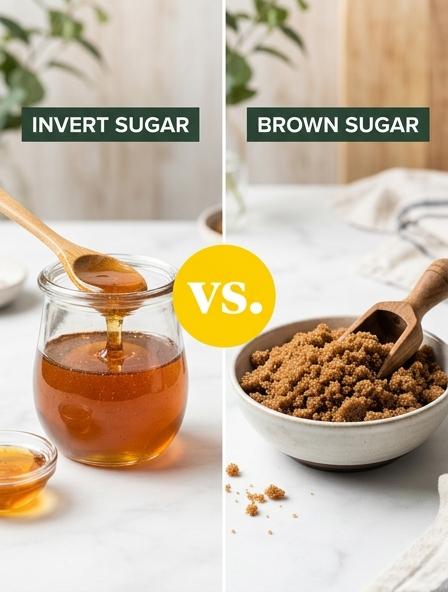
Impact on Moisture and Texture in Home Baking
Invert sugar and brown sugar both enhance moisture through hygroscopic properties, yet they yield distinct textural results. Invert sugar, a liquid syrup where sucrose is broken into glucose and fructose, excels at preventing crystallization. This results in a fine, smooth crumb and a significantly longer shelf life for delicate bakes.
Brown sugar relies on its molasses content to introduce moisture. Unlike the silky finish of invert sugar, brown sugar contributes to a dense, chewy structure and provides acidity that reacts with leavening agents for a specific rise and tender bite.
- Invert Sugar: Prevents graininess; keeps sponge cakes soft for days.
- Brown Sugar: Adds moisture plus a deep, complex caramel flavor profile.
You might reach for invert sugar to achieve a professional, melt-in-the-mouth ganache, while brown sugar remains the favorite for crafting that classic, chewy chocolate chip cookie texture everyone loves.
Health Perspectives on Caloric Intake and Digestion
When comparing invert sugar and brown sugar, the primary health distinctions lie in absorption rates and chemical structure. Invert sugar is essentially "pre-digested" through hydrolysis into glucose and fructose, allowing the body to metabolize it almost instantly. Brown sugar remains primarily sucrose, requiring digestive enzymes to break the molecular bonds before the body can utilize the energy.
- Invert Sugar: High glycemic response, provides immediate energy, and helps retain moisture in foods.
- Brown Sugar: Contains trace minerals from molasses, requires enzymatic breakdown, and offers a lower moisture content.
Both sweeteners provide approximately 4 calories per gram, meaning neither offers a significant caloric advantage for weight management. However, their functional differences impact how your body processes the energy. You might reach for brown sugar to add a deep, caramelized flavor to your morning oatmeal, whereas a professional baker chooses invert sugar to ensure a silky, shelf-stable texture in gourmet ganache.
Performance in High Temperature Candy Making
In high-heat confectionery, the primary challenge is controlling crystallization. Invert sugar-a liquid combination of glucose and fructose-serves as a powerful interference agent. It prevents sucrose molecules from bonding, ensuring a smooth, glass-like texture in hard candies and preventing a gritty mouthfeel.
Brown sugar, while flavorful, behaves differently due to its molasses content and higher moisture levels. While it provides excellent caramelization, it remains more susceptible to graining if not carefully monitored.
- Invert Sugar: Provides superior resistance to crystallization and a stable shelf life for hard-crack candies.
- Brown Sugar: Adds acidic notes and deep color but can cause unpredictable results at temperatures exceeding 285°F.
Choosing the right sweetener depends on whether you prioritize structural clarity or complex flavor profiles. You will love using invert sugar for professional, crystal-clear lollipops, whereas brown sugar is the go-to for achieving that rich, sandy-sweet crunch in a traditional English toffee.
Aromatic Contributions and Flavor Intensity Profiles
The aromatic impact of invert sugar versus brown sugar depends largely on their chemical composition. Invert sugar provides a clean, sharp sweetness that acts as a flavor enhancer. Because it is a liquid syrup of glucose and fructose, it lacks the secondary impurities that mask delicate scents, making it ideal for highlighting bright fruit or floral notes.
Brown sugar, however, is defined by its molasses content, which introduces a complex sensory experience. Its intensity is far more robust, characterized by earthy and slightly acidic undertones.
- Invert Sugar: Neutral profile, boosts moisture, and sharpens existing flavor clarity.
- Brown Sugar: Toasted, malty aroma with deep caramel and butterscotch notes.
Pastry chefs often opt for brown sugar when crafting a classic spice cake, as the molasses aromatics perfectly complement warm cinnamon and nutmeg to create that familiar, comforting scent.
Extending Freshness and Storage Quality of Desserts
When comparing invert sugar and brown sugar, their ability to retain moisture-known as hygroscopy-is the deciding factor for shelf life. Invert sugar is a liquid sweetener that excels at binding water molecules, which effectively prevents the recrystallization that makes desserts gritty. While brown sugar also offers moisture due to its molasses content, it lacks the same long-term stability against staling.
The choice of sweetener dictates how a product behaves during storage:
- Invert Sugar: Acts as a powerful humectant, keeping ganaches and sponge cakes soft and moist for weeks by slowing down starch retrogradation.
- Brown Sugar: Provides immediate chewiness and a soft crumb, but tends to harden as the molasses loses moisture to the environment.
Professional chocolatiers prefer using invert sugar in truffle centers to ensure the filling remains silky and "fresh-from-the-kitchen" even after sitting on a retail shelf for a month.
Comparison of Browning Effects and Visual Appeal
The Maillard reaction differentiates how invert sugar and brown sugar impact visual appeal. Invert sugar, composed of the reducing sugars glucose and fructose, accelerates browning even at lower temperatures. This creates a highly uniform, vibrant golden-brown crust. Brown sugar relies on its molasses content for its signature dark shade, offering a more localized and rustic browning effect during the baking process.
- Invert Sugar: Promotes rapid, deep, and even caramelization due to high molecular reactivity.
- Brown Sugar: Provides a slower reaction with a darker, textured, and matte visual profile.
While invert sugar provides a professional, glossy finish, brown sugar is prized for its traditional, home-style aesthetic. You might choose invert sugar when baking soft-batch cookies that require a consistent, professional sheen, while reaching for brown sugar to achieve the deep, speckled look of a traditional molasses cake.
Blending Efficiency in Cold and Hot Preparations
The physical state of a sweetener dictates its solubility and integration speed. Invert sugar is a liquid syrup composed of glucose and fructose, allowing it to achieve instant homogenization in both cold and hot preparations. Unlike granulated sweeteners, it does not require heat to dissolve, making it a stable choice for maintaining a smooth texture without the risk of recrystallization.
Brown sugar, however, consists of sucrose crystals coated in molasses. This crystalline structure requires thermal energy to break down completely; otherwise, it may leave a sandy or gritty residue in cold applications.
- Invert Sugar: Blends instantly; ideal for iced teas, sorbets, and cold-brew coffee.
- Brown Sugar: Requires agitation or heat; best suited for hot porridges and baked goods.
You will likely prefer invert sugar when crafting a silky-smooth iced latte, whereas brown sugar is the traditional favorite for achieving a rich, caramelized crunch in a warm batch of chocolate chip cookies.
Structural Differences in Cookie and Cake Batters
The chemical composition of invert sugar and brown sugar significantly dictates the final crumb and spread of baked goods. Invert sugar, a liquid monosaccharide, is exceptionally hygroscopic, meaning it binds water more effectively than granulated sugars. This results in cakes with a tighter, more tender crumb and cookies that resist drying out.
- Invert Sugar: Inhibits sucrose crystallization, ensuring a smooth texture and preventing a gritty mouthfeel in delicate batters.
- Brown Sugar: Combines sucrose with acidic molasses, which reacts with leavening agents like baking soda to provide a distinct rise and a chewy, dense structure.
While brown sugar provides that classic caramel depth and aerated lift, invert sugar is the secret to achieving professional-level moisture retention. You might choose invert sugar when baking soft-batch cookies that need to stay pliable and fresh on the counter for several days.
Molecular Stability and Resistance to Crystallization
The core difference between invert sugar and brown sugar lies in their molecular arrangement. Invert sugar is created through hydrolysis, which breaks sucrose into its component parts: glucose and fructose. This transition creates a liquid state that is highly resistant to crystallization, as the presence of two different monosaccharides interferes with the formation of a solid lattice.
- Invert Sugar: High molecular stability; acts as a humectant to keep products moist.
- Brown Sugar: Primarily crystalline sucrose coated in molasses; prone to hardening and graininess over time.
While brown sugar provides essential bulk and deep molasses notes, its crystalline structure lacks the long-term stability of invert sugar. Consequently, invert sugar is often used to extend shelf life and maintain texture in hygroscopic environments.
Professional pastry chefs often reach for invert sugar when crafting silky ganaches to ensure the filling remains perfectly smooth and free of gritty sugar crystals for weeks.
Nutritional Absorption and Blood Glucose Responses
The primary difference between invert sugar and brown sugar lies in their molecular structure, which dictates how the body processes them. Invert sugar consists of free glucose and fructose molecules, meaning it is essentially "pre-digested" and ready for immediate absorption in the small intestine. Conversely, brown sugar is primarily sucrose, a disaccharide that requires the enzyme sucrase to break it down before it can enter the bloodstream.
- Invert Sugar: Rapid metabolic uptake due to its monosaccharide state.
- Brown Sugar: Requires enzymatic cleavage; provides trace minerals (calcium, potassium) via molasses.
Both sweeteners have a high glycemic index and cause significant spikes in blood glucose levels. While their caloric density is nearly identical, the speed of delivery varies slightly. Professional pastry chefs often prefer invert sugar to keep ganache silky and shelf-stable, whereas home bakers love brown sugar for the moist, chewy texture and deep molasses aroma it brings to classic chocolate chip cookies.
Invert Sugar vs Brown Sugar source and external links
- Invert sugar is a liquid sweetener created by splitting sucrose into glucose and fructose to help prevent crystallization and improve moisture retention in baked goods.
- Brown sugar is a sucrose sugar product that contains molasses, which provides its characteristic dark color, moist texture, and rich flavor profile.