
Instant Noodles vs Normal Noodles: The Differences in Nutrition, Texture, and Health Impact
Nutritional Value and Sodium Content Comparison
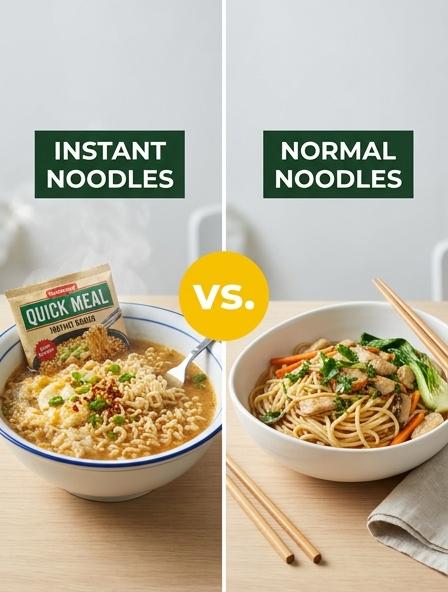
The primary distinction between instant and normal noodles lies in their processing and ingredient density. Instant noodles are typically flash-fried to reduce cooking time, which increases their saturated fat content. Conversely, normal noodles, such as fresh udon, soba, or dried pasta, are generally air-dried and contain fewer synthetic additives.
| Nutrient | Instant Noodles | Normal Noodles |
|---|---|---|
| Sodium | Extremely high (often >80% RDA) | Low (mostly from cooking water) |
| Preservatives | Contains TBHQ and stabilizers | Minimal to none |
| Fiber/Protein | Very low due to refinement | Higher, especially in whole-grain types |
Sodium remains the biggest health concern; a single packet of instant ramen can contain over 1,700mg of salt, whereas normal noodles allow for controlled seasoning. You might opt for the wholesome, fiber-rich profile of buckwheat soba for a healthy weekday lunch, but many still crave the intense, savory kick of instant noodles as a quick comfort food during a busy late-night study session.
Texture Integrity and Cooking Performance
The structural differences between instant and normal noodles are defined by their manufacturing processes. Instant noodles are flash-fried or air-dried after being steamed, creating a porous surface that allows for rapid rehydration. While this ensures a meal in under three minutes, the noodles often lose their elasticity quickly. In contrast, normal noodles-whether fresh or dried-retain a dense gluten matrix, offering superior "al dente" qualities and the ability to withstand prolonged boiling without becoming mushy.
- Instant Noodles: High porosity for speed; softer, more delicate mouthfeel.
- Normal Noodles: High protein integrity; firm, chewy texture that holds up in heavy sauces.
You might prefer traditional fresh noodles when preparing a slow-simmered lo mein, ensuring the strands maintain a satisfying bite even after being tossed in a searing hot wok with savory oils and vegetables.
Health Impact of Preservatives and Artificial Additives
The primary health distinction between instant and normal noodles lies in their chemical composition. Instant noodles are ultra-processed to ensure long shelf lives, frequently utilizing Tertiary Butylhydroquinone (TBHQ) and excessive sodium. These synthetic additives can strain the digestive system and are often linked to metabolic concerns. Conversely, normal noodles-such as fresh pasta or traditional air-dried wheat noodles-rarely require these chemical stabilizers.
- Preservatives: Instant varieties use antioxidants to prevent oil rancidity from deep-frying.
- Flavor Enhancers: MSG and artificial colorants are concentrated in instant seasoning packets.
- Digestive Lag: Studies suggest the preservatives in instant noodles cause them to break down slower in the stomach.
Health-conscious foodies often prefer spending the extra ten minutes boiling fresh ramen noodles to avoid the heavy "chemical" bloat and sodium crash associated with processed convenience cups.
Digestion Speed and Satiety for Family Meals
When choosing between noodle types, digestion speed plays a vital role in family nutrition. Instant noodles are flash-fried and contain preservatives like TBHQ, which significantly delay the breakdown process in the stomach. While they stay in the digestive tract longer, they often lack the complex nutrients required for lasting fullness. In contrast, normal noodles-such as fresh alkaline or wheat varieties-digest at a more natural, steady pace.
| Feature | Instant Noodles | Normal Noodles |
|---|---|---|
| Digestive Transit | Slow (due to additives) | Moderate/Natural |
| Energy Release | Rapid Spike | Sustained |
| Satiety Duration | Short-term | Long-term |
Normal noodles generally provide higher protein and fiber content, which increases satiety and prevents post-meal hunger pangs. You might choose to prepare a hearty bowl of fresh Udon for a family gathering to ensure everyone feels satisfied and energized long after the meal is finished.
Manufacturing Processes and Flour Quality Differences
The fundamental difference between instant and normal noodles lies in their industrial preparation. Instant noodles undergo a complex process where they are steamed and then flash-fried or air-dried. This creates a porous structure, allowing for rapid rehydration. To survive this intensive processing, manufacturers typically use high-protein wheat flour mixed with alkaline salts (kansui) to maintain elasticity and chewiness.
In contrast, normal noodles-whether fresh, chilled, or dried-remain raw until they reach your pot. They are typically made from simpler flour blends and are either sold fresh or dried slowly at low temperatures to preserve the natural integrity of the grain.
- Instant Noodles: Pre-gelatinized through steaming; contains stabilizers for shelf life.
- Normal Noodles: Uncooked dough; requires longer boiling times to hydrate the starch.
A busy professional might rely on the five-minute convenience of instant ramen during a lunch break, while a home cook chooses fresh, hand-pulled noodles for an authentic, slow-simmered weekend soup.
Culinary Performance in Soups and Stir Fry Dishes
The choice between instant and normal noodles dictates the final texture and structural integrity of your dish. Instant noodles are pre-cooked and flash-fried, creating a porous surface that absorbs liquid rapidly. While excellent for quick hydration, they often lose their "bite" in simmering soups. In contrast, normal noodles-whether fresh pasta, udon, or dried wheat noodles-require longer boiling times to achieve a dense, elastic protein structure that resists becoming mushy.
| Application | Instant Noodles | Normal Noodles |
|---|---|---|
| Soups | Absorb broth quickly; soften fast. | Maintain "al dente" firmness. |
| Stir Fry | Can become gummy or break apart. | Hold shape during high-heat tossing. |
You might reach for fresh lo mein when craving a high-heat wok char that maintains a chewy resistance, or perhaps you prefer the way instant ramen curls perfectly capture a spicy, nostalgic broth for a quick comfort meal.
Shelf Life and Pantry Storage Efficiency
The primary distinction between instant and normal noodles lies in their moisture content and preservation methods. Instant noodles undergo a flash-frying or air-drying process that drastically reduces water activity, allowing them to remain shelf-stable for 12 to 18 months. In contrast, while traditional dried noodles also offer longevity, they often lack the specialized, moisture-resistant packaging found in instant varieties.
- Instant Noodles: Compact, factory-sealed, and stackable; ideal for long-term emergency stockpiling.
- Dried Traditional Noodles: Durable but often require airtight containers once the outer plastic is breached.
- Fresh Noodles: Highly perishable; must be refrigerated and consumed within days.
Because of their incredibly dense packaging, outdoor enthusiasts often choose instant ramen blocks because they can be crammed into the bottom of a hiking pack and remain perfectly edible even after months of travel.
Flavor Absorption and Seasoning Retention
The primary difference in how instant and normal noodles handle flavor lies in their structural porosity. Instant noodles are typically flash-fried or air-dried, creating a microscopic, sponge-like texture. This allows them to absorb broth and seasonings rapidly, ensuring the flavor penetrates deep into the noodle itself.
- Instant Noodles: High porosity leads to fast absorption of liquid seasonings and fats.
- Normal Noodles: Denser composition relies on surface adhesion and starch release to bond with sauces.
While normal noodles rely on surface tension to bind with complex sauces, instant varieties are engineered for maximum seasoning retention from concentrated packets. This makes them ideal for quick, savory profiles where flavor consistency is the priority over texture.
You might prefer the instant variety during a late-night study session when you need that quick, salty flavor punch, while choosing fresh noodles for a slow-cooked ragu that needs to cling perfectly to every strand.
Glycemic Response and Energy Level Stability
The primary difference between instant and normal noodles lies in their glycemic index (GI) and how they impact metabolic stability. Instant noodles are typically flash-fried and highly refined, a process that breaks down starch structures for faster rehydration. This results in a rapid glucose spike and a subsequent insulin surge. In contrast, normal noodles-such as those made from durum wheat or buckwheat-retain a denser protein-starch matrix, ensuring a slower, more controlled release of energy into the bloodstream.
- Instant Noodles: High GI rating; leads to immediate energy bursts followed by a "sugar crash" and premature hunger.
- Normal Noodles: Low to Medium GI; provides sustained satiety, improved focus, and stable insulin levels.
While a busy office worker might grab a cup of instant ramen for a five-minute lunch break, a marathon runner will consistently choose a bowl of traditional whole-wheat pasta the night before a race to ensure their energy reserves remain steady until the finish line.
Mouthfeel and Consistency in Homemade Recipes
The culinary distinction between instant and normal noodles lies in their structural integrity. Instant noodles are typically flash-fried or air-dried after steaming, creating a porous, wavy texture that excels at soaking up seasoned broths almost instantly. In contrast, normal noodles-such as fresh lo mein or dried pasta-boil from a raw state, preserving a dense gluten network that offers a superior "al dente" bite and a smoother surface profile.
| Noodle Type | Mouthfeel | Consistency |
|---|---|---|
| Instant | Springy and soft | Absorbent/Porous |
| Normal | Firm and elastic | Dense/Uniform |
You may find the quick, crinkly snap of instant noodles perfect for a comfort-filled midnight snack, while opting for traditional hand-pulled noodles when you crave a robust, chewy texture that anchors a hearty beef noodle soup.
Instant Noodles vs Normal Noodles source and external links
- Instant noodles are precooked and dried noodle blocks designed for quick preparation by simply adding boiling water and seasoning. Learn more about instant noodles.
- Normal noodles are typically made from unleavened dough that is rolled flat and cut into various shapes, usually requiring a longer boiling process than processed varieties. Read more about normal noodles.