
Herb Infused Vinegar vs White Vinegar : The Differences in Acidity, Flavor Depth, and Nutritional Profiles.
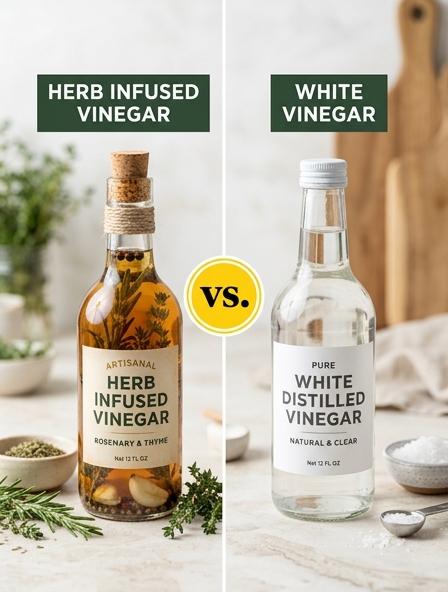
Acidity variations and their effect on sauce balance
The primary difference between these liquids lies in their chemical sharpness and flavor complexity. White vinegar typically possesses a consistent 5% to 7% acidity, providing a neutral, punchy "lift" that cuts through heavy fats. Conversely, herb-infused vinegars-often using wine or cider bases-feature a more rounded acidity that integrates seamlessly with other ingredients.
| Vinegar Type | Acidity Level | Sauce Impact |
|---|---|---|
| White Vinegar | High (5-7%) | Sharp, clean brightness |
| Herb Infused | Moderate (4-6%) | Aromatic, mellow depth |
Infusions introduce essential oils that mask the harsh bite of acetic acid, allowing for a more nuanced sauce profile. Home cooks often reach for a rosemary-infused vinegar when whisking a pan sauce for roasted lamb to ensure the acidity complements the earthy meat rather than overpowering it with a sharp, clinical sting.
Nutritional Profiles and Health Impact in Daily Cooking
While both liquids share a foundation of acetic acid, their nutritional densities differ significantly. White vinegar is a distilled product containing approximately 5% to 10% acetic acid and water, offering virtually no micronutrients. In contrast, herb-infused vinegars leverage a base-often apple cider or wine vinegar-enriched with bioactive compounds from steeped botanicals.
- White Vinegar: High acidity, zero calories, and minimal mineral content; primarily used for structural pickling.
- Herb Infused: Rich in polyphenols and antioxidants like rosmarinic acid, which help reduce oxidative stress.
From a wellness perspective, infused varieties provide a flavorful, sodium-free way to enhance meals, potentially improving digestion and blood sugar response. Home cooks love splashing a rosemary-thyme infusion over roasted root vegetables to add complex earthy notes without the need for excessive salt.
Preservation Strength for Vegetable Pickling
When comparing preservation strength, distilled white vinegar serves as the gold standard for safe home pickling due to its consistent 5% acetic acid concentration. This high acidity level is essential for inhibiting bacterial growth and ensuring food safety during long-term storage.
Herb-infused vinegars can offer comparable preservative power, provided the base liquid maintains that same 5% acidity. However, fresh herbs introduce trace amounts of moisture, which can slightly dilute the pH balance over time compared to the sterile environment of plain white vinegar.
- White Vinegar: Predictable pH levels, ideal for shelf-stable canning and crisp textures.
- Herb Infused: Best for refrigerator pickles where flavor depth is prioritized over indefinite shelf life.
Home gardeners typically rely on white vinegar for high-volume batches of traditional dill pickles but reach for a rosemary-infused blend when crafting small-batch pickled beets for a gourmet charcuterie board.
Flavor depth variations in chilled side dishes
The choice between herb-infused vinegar and white vinegar fundamentally alters the profile of cold salads and appetizers. White vinegar is prized for its high acidity and neutral character, providing a sharp, linear "bite" that cuts through heavy dressings without adding its own flavor. In contrast, herb-infused vinegars act as a complex base, introducing botanical aromatics like rosemary, tarragon, or thyme that deepen the savory notes of the dish.
- White Vinegar: Provides clean, aggressive acidity; ideal for bright, high-contrast pickles.
- Herb Infused Vinegar: Offers layered flavor dimensions; bridges the gap between oils and fresh produce.
Because refrigeration can mute subtle tastes, the additional esters found in infused varieties help maintain a vibrant palate. You will find that while white vinegar delivers a sharp punch to coleslaw, a chive-infused vinegar adds a sophisticated, onion-like warmth to chilled fingerling potato salads that people absolutely adore at summer gatherings.
Aromatic Influence on Cooked Meat and Poultry
The choice between herb-infused and white vinegar fundamentally alters the sensory profile of meat dishes. White vinegar serves a primarily functional role; its sharp acidity tenderizes muscle fibers but offers a neutral, sometimes pungent, scent that dissipates during cooking. In contrast, herb-infused vinegars act as aromatic delivery systems, carrying volatile oils from botanicals directly into the protein.
- White Vinegar: Provides a clean, sharp finish that highlights the meat's natural flavor without interference.
- Herb Infused Vinegar: Adds layers of complexity, such as earthy rosemary or bright tarragon, which are released as the meat roasts.
When heat is applied, the acetic acid helps these botanical essences penetrate the surface, creating a more sophisticated bouquet than standard marinades. You might choose to deglaze a pan of searing chicken thighs with thyme-infused vinegar to instantly transform a simple weekday meal into a fragrant, bistro-style centerpiece.
Chemical reactions during high heat sautéing
When introduced to a hot pan, both white and herb-infused vinegars undergo rapid acetic acid evaporation. This process facilitates deglazing, where the liquid releases caramelized proteins from the pan's surface. White vinegar, a pure dilution, provides a stable, sharp acidic strike that balances heavy fats without introducing additional flavor variables. In contrast, herb-infused vinegars contain volatile organic compounds like terpenes and polyphenols extracted from botanicals.
- White Vinegar: High heat stability; provides a neutral pH reduction.
- Herb-Infused Vinegar: Heat causes botanical oils to "bloom," releasing aromatics that bond with the food's surface.
While white vinegar remains chemically consistent, the infused version can experience thermal degradation if delicate herb particles scorch. You might prefer deglazing a searing pan of chicken thighs with thyme-infused vinegar to instantly marry the herbal notes with the savory Maillard crust for a restaurant-quality finish.
Color preservation and visual appeal in preserves
The choice of vinegar dictates the final aesthetic of your preserves. Distilled white vinegar is the industry standard for color preservation due to its 5% acidity and crystal-clear transparency. It allows the natural pigments of vegetables-like the vibrant green of cucumbers or the bright white of cauliflower-to remain vivid without tinting the brine.
In contrast, herb-infused vinegars often introduce tannins and botanical oils that can darken or cloud the liquid. While white vinegar offers a "clean" look, infused versions provide a rustic, artisanal charm.
| Vinegar Type | Visual Impact |
|---|---|
| Distilled White | Maintains bright, natural vegetable colors. |
| Herb Infused | Adds amber tones and botanical sediment. |
Canners typically reach for white vinegar when preparing "showcase" jars of pickled red onions to keep the brine bright pink, whereas a garlic-rosemary infused vinegar is preferred for gifting rustic, earthy batches of marinated mushrooms.
Digestive benefits of botanical versus distilled options
Choosing between herb-infused and white vinegar often comes down to their impact on gut health. Distilled white vinegar is a highly purified acetic acid solution; while effective for pickling, it lacks the bioactive compounds found in botanical alternatives. In contrast, herb-infused vinegars-often using raw apple cider vinegar as a base-retain enzymes and beneficial bacteria known as the "mother."
The addition of herbs introduces specific therapeutic properties that distilled options cannot provide:
- Bitters: Herbs like dandelion or gentian stimulate bile production.
- Carminatives: Fennel or peppermint infusions help reduce intestinal gas.
- Polyphenols: Plant-based antioxidants support a diverse microbiome.
While white vinegar is a sterile kitchen staple, botanical infusions act as functional tonics that prime the digestive tract for nutrient absorption. You might enjoy a tablespoon of thyme-infused vinegar in warm water before a heavy meal to naturally stimulate digestion and prevent that sluggish, bloated feeling.
Pantry versatility from seasoning to household use
Choosing between herb-infused and white vinegar depends on whether you are prioritizing flavor or function. White vinegar is a distilled staple with high acidity, making it an unrivaled choice for crisp pickling and non-toxic household cleaning. In contrast, herb-infused vinegars act as culinary enhancers, steeping botanicals like thyme, rosemary, or garlic to create complex profiles for gourmet dressings and sauces.
| Feature | White Vinegar | Herb Infused Vinegar |
|---|---|---|
| Primary Use | Cleaning & Preserving | Seasoning & Finishing |
| Flavor Profile | Sharp & Neutral | Aromatic & Robust |
While white vinegar excels at neutralizing odors and heavy-duty maintenance, infused versions transform basic ingredients into chef-quality meals. You can reach for the white vinegar to descale your coffee maker in the morning, then use a basil-infused cider vinegar to brighten a fresh heirloom tomato salad for a summer lunch.
Texture modification in marinated protein structures
The primary difference between herb-infused and white vinegar lies in the rate of protein denaturation. White vinegar, typically containing 5% acetic acid, acts aggressively on myofibrillar proteins. This rapid breakdown can lead to a "mealy" texture if marination exceeds optimal timing. In contrast, herb-infused vinegars often utilize milder bases like apple cider or wine vinegar, providing a controlled environment for structural change.
- White Vinegar: Rapidly tightens then dissolves connective tissues; best for short, high-intensity tenderizing.
- Herb Infused: Offers slower enzymatic breakdown while essential oils from herbs help lubricate muscle fibers for a silkier mouthfeel.
While white vinegar serves as a potent functional tool for breaking down tough fibers, infused varieties offer a gentler structural modification that preserves the natural integrity of the protein. You might prefer the herb-infused approach when preparing a delicate flank steak for a summer salad where aromatic complexity and a tender, non-mushy finish are paramount.
Herb Infused Vinegar vs White Vinegar source and external links
- Herb infused vinegar is a versatile pantry staple created by steeping fresh herbs in an acidic base to enhance the flavor of salads and marinades. Learn more about making your own herb infused vinegar at home.
- Distilled white vinegar is a common household product used extensively for its preservation qualities, culinary sharpness, and natural cleaning abilities. Read about the various uses of white vinegar to see how it can benefit your home.