
Grass-Fed Butter vs Cow Milk : Comparing Nutrient Density, Culinary Performance, and Digestive Wellness Differences
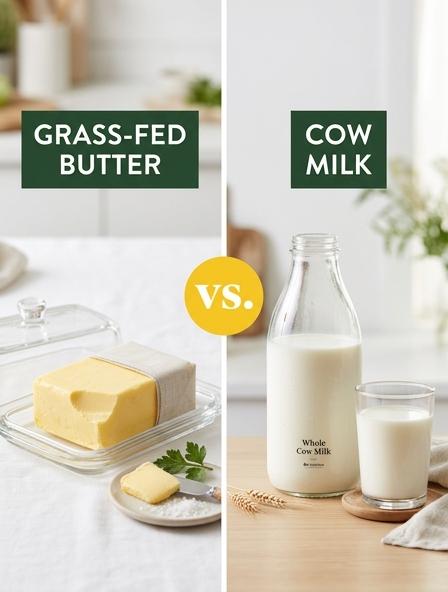
Nutrient Density in Pasture-Based Solids and Liquid Dairy
Grass-fed butter and cow milk differ primarily in their concentration of fat-soluble micronutrients. While liquid milk provides a balanced matrix of proteins, minerals, and carbohydrates, pasture-based butter serves as a concentrated source of lipophilic vitamins. Cattle grazing on fresh grass produce dairy with significantly higher levels of Conjugated Linoleic Acid (CLA) and a superior Omega-3 to Omega-6 ratio compared to grain-fed alternatives.
- Vitamin K2: Found in higher concentrations in butterfat, supporting arterial and bone health.
- Beta-Carotene: An antioxidant responsible for the distinct yellow pigment in grass-fed solids.
- Electrolytes: Liquid milk remains the superior source for calcium, phosphorus, and potassium.
The nutritional profile of these dairy products is fundamentally shaped by the animal's forage-based diet, which enhances the bioavailability of antioxidants and healthy fats. You might stir a spoonful of golden grass-fed butter into your coffee for sustained morning focus or choose a cold glass of pasture-raised milk as a nutrient-dense recovery drink after a strenuous afternoon hike.
Heat Stability and Performance in High-Temperature Sautéing
When comparing grass-fed butter to liquid cow milk in the kitchen, heat stability is the primary differentiator. Whole cow milk has a high water content and contains lactose and proteins that scorch at low temperatures, making it unsuitable for direct sautéing. In contrast, grass-fed butter is composed of at least 80% milk fat, allowing it to withstand temperatures up to approximately 302°F (150°C) before reaching its smoke point.
- Cow Milk: High moisture causes splattering and rapid protein denaturation above 212°F.
- Grass-Fed Butter: Higher fat concentration facilitates the Maillard reaction, providing better browning and flavor development.
- Fat Profile: Grass-fed varieties often contain higher levels of Vitamin K2 and CLA, which remain relatively stable during medium-heat applications.
You will appreciate the superior performance of grass-fed butter when pan-searing a delicate salmon fillet, as the fat creates a nutty, golden crust that liquid milk simply cannot achieve.
Impact on Pastry Texture and Baking Consistency
The choice between grass-fed butter and standard cow milk derivatives significantly alters the structural integrity of baked goods. Grass-fed butter is prized for its higher butterfat content and lower moisture levels compared to conventional grain-fed options. This specific fat-to-water ratio is essential for achieving professional-grade lamination in delicate pastries.
- Fat Concentration: Grass-fed butter provides a richer lipid profile, ensuring a tender, short crumb.
- Pliability: The higher unsaturated fat content allows the butter to remain flexible when cold, preventing dough tearing.
- Moisture Control: Lower water content reduces steam-induced gluten development, maintaining crispness.
While cow milk contributes lactose for browning and hydration for a soft interior, grass-fed butter dictates the final snap and flaky layering of the crust. You will see the transformation when your homemade croissants emerge with a shatteringly crisp exterior and a deep golden hue that standard dairy simply cannot replicate.
Vitamin Bioavailability and Family Health Benefits
Understanding the difference between grass-fed butter and cow milk is essential for optimizing family nutrition. While cow milk is a primary source of calcium, grass-fed butter offers superior bioavailability of fat-soluble vitamins. The higher concentration of Vitamin K2 found in grass-fed butter is crucial for bone development, as it helps transport calcium into the skeletal structure. Furthermore, the healthy fats in butter enhance the absorption of vitamins A, D, and E more effectively than standard milk options.
- Vitamin K2: Essential for heart and bone health.
- Omega-3s: Higher levels in grass-fed dairy support brain function.
- Vitamin A: Present in a highly absorbable form for immune support.
You can boost your toddler's nutrient intake by swapping standard spreads for grass-fed butter on whole-grain toast, ensuring they get the healthy fats necessary for cognitive growth and vitamin absorption.
Richness and Flavor Depth in Home-Cooked Meals
When comparing grass-fed butter to standard cow milk in culinary applications, the primary distinction lies in the concentration of fats and aromatic compounds. Grass-fed butter contains a higher percentage of butterfat and beta-carotene, resulting in a vibrant yellow hue and a complex, nutty flavor profile. While cow milk provides a subtle sweetness and necessary liquid volume, it lacks the intense mouthfeel and savory depth found in pasture-raised butter.
- Grass-Fed Butter: Delivers concentrated earthy notes and a velvety, lingering finish.
- Cow Milk: Provides a lighter, cleaner taste that balances spicy or acidic ingredients.
The difference is most apparent when finishing a homemade sauce; many home cooks prefer whisking in a cold knob of grass-fed butter at the final stage to create a glossy, restaurant-quality emulsion with a rich depth that milk alone cannot achieve.
Caloric Density and Nutritional Balance in Daily Recipes
Understanding the distinction between grass-fed butter and cow milk is essential for managing caloric intake and nutrient timing. Grass-fed butter is an energy-dense fat source, providing roughly 100 calories per tablespoon, rich in Vitamin K2 and Omega-3 fatty acids. Conversely, cow milk offers a broader nutritional spectrum at a lower caloric density, delivering a balanced mix of proteins, carbohydrates, and minerals like calcium.
- Grass-Fed Butter: High in conjugated linoleic acid (CLA), perfect for satiety and slow-release energy.
- Cow Milk: Provides essential amino acids and lactose, ideal for post-workout recovery or bone health.
While butter excels in fat-soluble vitamin absorption, milk serves as a hydrating base for high-volume meals. Many health enthusiasts prefer whisking a teaspoon of grass-fed butter into their morning coffee for a creamy, ketogenic energy boost, while families often choose cow milk for a protein-rich addition to their evening cereal or smoothies.
Influence on Sauce Emulsification and Creaminess
The choice between grass-fed butter and cow milk fundamentally alters the molecular structure of a sauce. While cow milk serves as a hydrating base, its high water content requires stabilizers or long reduction times to achieve density. Conversely, grass-fed butter acts as a superior emulsifying agent due to its concentrated butterfat and natural phospholipids.
- Grass-Fed Butter: Offers a higher fat-to-water ratio and more Omega-3 fatty acids, creating a stable, glossy "velvet" finish.
- Cow Milk: Provides a lighter profile but lacks the lipid density needed to bind acidic or wine-based reductions effectively.
Using grass-fed butter for "monter au beurre" allows the fat to suspend perfectly within the liquid, preventing separation and resulting in a rich, restaurant-quality pan sauce that clings beautifully to a seared steak.
Digestive Wellness and Absorption of Fat-Soluble Nutrients
Choosing between grass-fed butter and cow milk often comes down to digestive tolerance and nutrient density. Grass-fed butter is primarily composed of fats, making it a concentrated source of butyrate, a short-chain fatty acid that supports colon health and reduces systemic inflammation. Unlike fluid milk, butter contains only trace amounts of lactose and casein, which is beneficial for those with dairy sensitivities.
Regarding nutrient uptake, the high-fat medium of butter is superior for the bioavailability of fat-soluble vitamins. Grass-fed varieties specifically offer higher concentrations of specific nutrients:
- Vitamin K2: Essential for calcium distribution to bones rather than arteries.
- Vitamin A & E: Potent antioxidants that require dietary fat for intestinal absorption.
- CLA (Conjugated Linoleic Acid): Found in higher levels in grass-fed fats to support metabolic health.
You might find that whisking a pat of grass-fed butter into your morning coffee or over roasted greens provides a steady energy boost and better vitamin absorption without the digestive bloat often associated with a tall glass of milk.
Storage Requirements and Maintenance of Quality
To preserve the superior nutritional profile and flavor of grass-fed butter and cow milk, proper temperature control is essential. While both are perishable dairy products, their storage needs differ based on fat and water content.
- Grass-Fed Butter: High in fat and low in moisture, it stays fresh for 6–9 months in the refrigerator. Use airtight containers to prevent it from absorbing pungent food odors.
- Cow Milk: Highly perishable due to high water content; it must be kept at 40°F (4°C) or below. Avoid storing milk in the refrigerator door, where temperature fluctuations are most frequent.
Grass-fed butter's high beta-carotene and Omega-3 levels are sensitive to light and heat, so opaque packaging is recommended for long-term maintenance. Conversely, milk requires consistent cold to inhibit bacterial growth and spoilage.
You might prefer keeping a small portion of grass-fed butter in a ceramic crock on your kitchen counter for effortless spreading on warm sourdough toast every morning.
Visual Appeal and Aesthetic Presentation of Finished Plates
The choice between grass-fed butter and standard cow milk significantly alters the visual narrative of a dish. Grass-fed butter is prized for its deep, sun-kissed golden hue, which stems from the high beta-carotene content found in fresh pasture. When melted, it provides a luxurious, reflective sheen that enhances the vibrancy of ingredients. Liquid cow milk, conversely, offers a clean, opaque white finish that provides a neutral backdrop, making it ideal for creating airy foams or thinning purees without darkening the palette.
- Lustrous Finish: Butter creates a high-gloss glaze on seared proteins and root vegetables.
- Texture Contrast: Milk contributes a matte, creamy appearance perfect for frothy garnishes.
- Color Depth: Grass-fed fats introduce warm tones that suggest richness and artisanal quality.
You might swirl a spoonful of melted grass-fed butter over a finished lobster tail to create a shimmering, golden coating that emphasizes a gourmet, farm-to-table aesthetic.
Grass-Fed Butter vs Cow Milk source and external links
- Grass-fed butter is a nutrient-dense dairy product made from the milk of cattle that graze on open pastures, offering a higher concentration of heart-healthy omega-3 fatty acids. Grass-fed butter
- Cow milk is a staple beverage globally that provides essential nutrients such as calcium, protein, and vitamin D to support bone health. Cow milk