
Grapeseed Oil vs Canola Oil : Are They The Same? Smoke Points, Nutritional Profiles, and Cooking Versatility
Comparing Smoke Points for High Temperature Kitchen Use
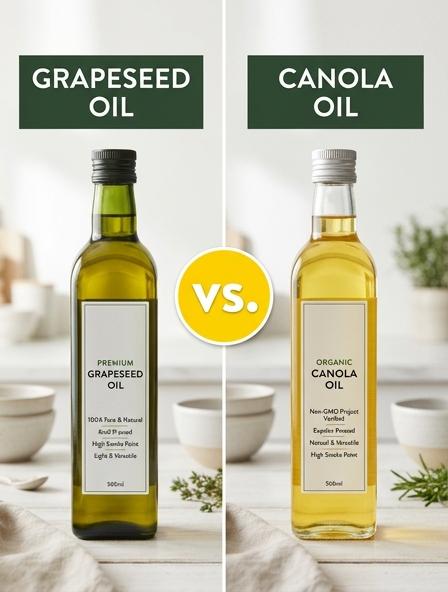
When selecting a cooking fat for high-heat methods like searing or deep-frying, understanding smoke points is essential. The smoke point is the specific temperature at which an oil begins to burn and lose its nutritional integrity. In the comparison between grapeseed oil and canola oil, both serve as resilient, neutral-flavored options for the modern kitchen.
- Grapeseed Oil: Boasts a high smoke point of approximately 420°F (216°C), making it ideal for clean, high-heat sautéing.
- Canola Oil: Typically handles heat up to 400°F (204°C), serving as a versatile and budget-friendly choice for everyday frying.
While the difference is subtle, grapeseed oil is often favored by culinary enthusiasts for its lack of greasy residue and high oxidative stability. Professional chefs often reach for grapeseed oil when searing delicate sea scallops to achieve a perfectly golden-brown crust without masking the seafood's natural sweetness.
Nutritional Composition and Healthy Fat Profiles for Family Meals
Choosing between grapeseed and canola oil involves understanding their unique fatty acid structures. Grapeseed oil is highly concentrated in polyunsaturated fats, particularly omega-6 linoleic acid, and serves as an excellent source of Vitamin E. In contrast, canola oil is celebrated for its balanced profile, featuring heart-healthy monounsaturated fats and essential omega-3 fatty acids.
- Grapeseed Oil: High in antioxidants; best for skin health and reducing inflammation.
- Canola Oil: Lowest saturated fat content; rich in alpha-linolenic acid (ALA).
Both oils possess high smoke points, making them chemically stable for various cooking methods without releasing harmful free radicals. While grapeseed oil offers a light, nutty finish, canola oil provides a neutral base that preserves the natural flavors of your ingredients.
You might reach for grapeseed oil to whisk into a delicate herb vinaigrette for Sunday brunch, or rely on affordable canola oil to achieve a crisp, golden sear on your family's favorite weeknight chicken dinner.
Flavor Neutrality and Impact on Cold Dish Preparations
When selecting an oil for cold applications like dressings, dips, or infusions, flavor neutrality is paramount. Both grapeseed and canola oils are prized for their ability to blend into the background, though they offer slightly different sensory experiences when used raw.
- Grapeseed Oil: Exceptionally light with a clean, almost non-existent taste and a silky mouthfeel. It is often preferred for high-end vinaigrettes where delicate herbs must shine.
- Canola Oil: Highly versatile and cost-effective; it provides a neutral base but can occasionally have a slightly heavier texture compared to the thin consistency of grapeseed oil.
Since both oils remain liquid and clear even when refrigerated, they are ideal for emulsions that require a smooth, consistent pour. You might prefer whisking grapeseed oil into a champagne vinaigrette to ensure the bright, floral notes of the vinegar aren't masked by the oil's own profile.
Storage Stability and Resistance to Rancidity in the Pantry
Understanding storage stability is crucial for maintaining oil quality. Canola oil generally edges out grapeseed oil in shelf life due to its higher monounsaturated fat content. Grapeseed oil contains high levels of polyunsaturated fats, specifically omega-6 fatty acids, which are highly sensitive to light, heat, and oxygen, leading to faster oxidation and potential rancidity.
- Canola Oil: Highly stable; typically remains fresh for 12–24 months in a cool, dark environment.
- Grapeseed Oil: More delicate; ideally used within 6 months of opening to avoid off-flavors.
Proper storage involves keeping both oils away from the stove, yet many home chefs prefer keeping a small bottle of grapeseed oil in the refrigerator to ensure its light, nutty profile stays perfect for delicate weekend infusions.
Performance and Texture Outcomes in Deep Frying Applications
Choosing between grapeseed and canola oil for deep frying depends on the desired crispness and thermal stability. While both are neutral oils, their fatty acid profiles create distinct mouthfeels. Grapeseed oil boasts a high smoke point of approximately 420°F, slightly surpassing canola's 400°F. This thermal resilience prevents premature breaking down, ensuring a cleaner fry.
- Oil Absorption: Grapeseed oil is thinner in consistency, resulting in less surface oil retention and a "dry" crunch.
- Structural Integrity: Canola oil's monounsaturated fat content provides excellent stability for high-volume, repetitive frying cycles.
- Flavor Neutrality: Both oils allow the ingredients to shine, though grapeseed is often cited for its exceptionally clean finish.
Professional chefs often reach for grapeseed oil when flash-frying delicate soft-shell crab or tempura vegetables to achieve a light, glass-like exterior that never feels heavy or greasy on the palate.
Production Methods and Environmental Sustainability Factors
The manufacturing processes for grapeseed and canola oils differ significantly in their ecological impact. Grapeseed oil is considered an "upcycled" product, as it is extracted from the seeds left over after grapes are pressed for wine. This utilizes a byproduct that would otherwise become waste. In contrast, canola oil is derived from rapeseed cultivars specifically grown for oil production, often involving large-scale monoculture and synthetic fertilizers.
- Grapeseed Oil: Extracted via cold-pressing or chemical solvents from vineyard residuals; highly sustainable due to waste reduction.
- Canola Oil: Produced through high-heat refining and hexane extraction; requires dedicated agricultural land and is frequently sourced from GMO crops.
While both oils often undergo refining to achieve high smoke points, grapeseed oil offers a lower carbon footprint by integrating into the existing viticulture cycle. Environmentally-conscious chefs often reach for grapeseed oil when they want a clean-tasting base for an infused herbal oil that supports a circular food economy.
Vitamin E and Antioxidant Levels in Daily Cooking
When comparing the nutritional density of grapeseed oil and canola oil, the concentration of Vitamin E (alpha-tocopherol) and phenolic compounds is a primary differentiator. Grapeseed oil is widely recognized for its superior antioxidant profile, offering significantly higher levels of Vitamin E per serving than canola oil. These antioxidants are essential for neutralizing free radicals and supporting cellular defense.
- Grapeseed Oil: Exceptional source of Vitamin E and proanthocyanidins, which support skin health and reduce inflammation.
- Canola Oil: Contains moderate Vitamin E and Vitamin K, but focuses more on its ratio of Omega-3 to Omega-6 fatty acids.
While both oils undergo refining processes that can impact nutrient stability, grapeseed oil retains a more potent antioxidant footprint suitable for low-to-medium heat applications. Health enthusiasts often choose cold-pressed grapeseed oil as a finishing touch for vibrant summer salads to ensure they receive the full benefit of its skin-nourishing Vitamin E content.
Saturated Fat Content and Long Term Wellness Impact
When evaluating grapeseed oil versus canola oil for long-term health, their low saturated fat content is a primary advantage. Lowering saturated fat intake is a key strategy for maintaining healthy LDL cholesterol levels and supporting cardiovascular wellness. While both oils are considered "heart-healthy," their specific fatty acid compositions offer different nutritional benefits.
- Canola Oil: Contains roughly 7% saturated fat and is a notable source of alpha-linolenic acid (Omega-3).
- Grapeseed Oil: Contains about 10% saturated fat and is exceptionally high in linoleic acid (Omega-6) and Vitamin E.
From a wellness perspective, canola oil provides a more balanced ratio of essential fats, whereas grapeseed oil is favored for its antioxidant properties. Choosing between them often depends on dietary goals regarding inflammation and heart health. For a health-conscious home cook preparing a Mediterranean-inspired dinner, using canola oil for a light sauté ensures a boost of Omega-3s without compromising the flavor of fresh vegetables.
Versatility Across Various Stovetop and Baking Techniques
Both grapeseed and canola oil are celebrated for their neutral flavor profiles and high smoke points, making them indispensable in modern kitchens. Grapeseed oil, with a smoke point of approximately 420°F, excels in high-heat searing, while canola oil, averaging 400°F, serves as a reliable workhorse for everyday cooking tasks.
- Sautéing and Frying: Their thermal stability prevents premature oxidation and bitter off-flavors.
- Baking: These oils effectively replace butter to create moist, light textures in cakes and quick breads.
- Emulsions: Their thin consistency is ideal for creating smooth, stable vinaigrettes and mayonnaises.
While canola oil remains the budget-friendly choice for deep-frying, grapeseed oil is often favored for its cleaner finish and silkier mouthfeel in delicate recipes. Many home cooks love using canola oil for a batch of fluffy Saturday morning pancakes, then reaching for grapeseed oil to achieve a professional-grade, golden crust on pan-seared scallops for a special dinner.
Influence on Food Aroma and Natural Ingredient Flavors
The aromatic interaction between cooking oils and raw ingredients determines the sensory success of a dish. Grapeseed oil is highly regarded by chefs for its "clean" profile; it acts as a silent carrier that amplifies the natural scents of herbs and spices without adding its own olfactory signature. Canola oil, while also neutral, is often considered a heavier alternative that lacks the same crispness.
- Grapeseed Oil: Virtually odorless, it preserves the integrity of delicate botanicals and high-end proteins.
- Canola Oil: Generally neutral, though it can occasionally produce a faint, flat aroma when subjected to high temperatures over long periods.
The subtle difference lies in the finish: grapeseed oil leaves the palate refreshed, whereas canola provides a more traditional, muted fried-food scent. You will likely prefer grapeseed oil when crafting a delicate basil infusion or searing mild white fish to ensure the natural, grassy, and sweet notes remain the undisputed stars of the meal.
Grapeseed Oil vs Canola Oil source and external links
- Known for its high smoke point and neutral flavor, Grapeseed Oil is a versatile cooking oil extracted from the seeds of grapes.
- Commonly used in baking and frying due to its low saturated fat content, Canola Oil is a heart-healthy vegetable oil derived from a variety of rapeseed.