
Goji Berry vs Hibiscus Tea : The Differences in Nutritional Value, Flavor Profiles, and Culinary Performance.
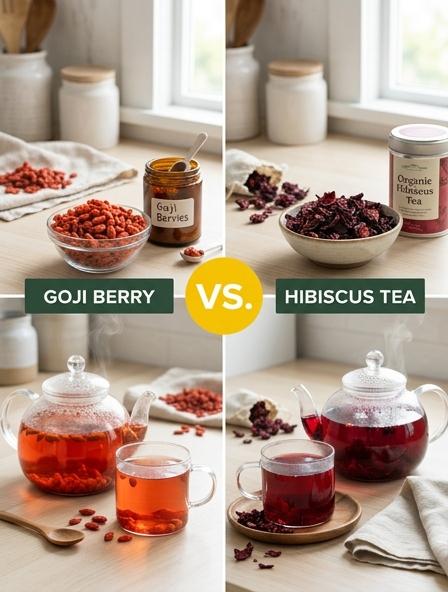
Nutritional Value of Goji Berries and Hibiscus Tea in Family Meals
Incorporating goji berries and hibiscus tea into your family's daily routine offers a synergistic boost of antioxidants and essential micronutrients. Goji berries are nutritional powerhouses, providing high concentrations of Vitamin A and iron, which are vital for immune support and vision. In contrast, hibiscus tea serves as a tart, caffeine-free source of Vitamin C and organic acids that help manage blood pressure and support heart health.
- Goji Berries: Rich in zeaxanthin for eye protection and fiber for digestive health.
- Hibiscus Tea: Packed with anthocyanins that combat oxidative stress and lower inflammation.
Using these ingredients together ensures a balanced intake of plant-based compounds suitable for all ages. Busy parents often love steeping dried hibiscus petals into a refreshing chilled punch and tossing a handful of chewy goji berries into morning oatmeal to provide their children with a colorful, nutrient-dense breakfast before school.
Flavor Profile Differences Between Goji Berries and Hibiscus Tea
When comparing the sensory experiences of these two botanicals, the contrast lies between subtle earthiness and vibrant acidity. Goji berries offer a mild, savory-sweet taste, while hibiscus provides a bold, fruit-forward punch.
- Goji Berries: Often described as having a flavor profile similar to a cross between a dried cranberry and a cherry, with distinct woody or herbal undertones.
- Hibiscus Tea: Renowned for its sharp, tart, and floral notes that closely mimic the astringency of unsweetened pomegranate or cranberry juice.
| Feature | Goji Berry | Hibiscus Tea |
|---|---|---|
| Sweetness | Natural/Mellow | Minimal/Tart |
| Intensity | Subtle | High |
Health-conscious drinkers often steep hibiscus as a refreshing, zesty iced tea during the summer, while adding dried goji berries to a warm cup of green tea to provide a soft, natural sweetness that balances any bitterness.
Influence of Goji Berries and Hibiscus Tea on Dish Presentation
Both goji berries and hibiscus tea serve as powerful natural colorants that elevate the aesthetic appeal of culinary creations. Goji berries contribute a bright, matte orange-red pop and a distinct chewy texture, making them ideal for adding visual depth to surface garnishes. In contrast, hibiscus tea provides a translucent, deep ruby hue that can transform the base color of liquids, syrups, and grains.
| Feature | Goji Berries | Hibiscus Tea |
|---|---|---|
| Visual Form | Small, shriveled berries | Deep crimson liquid |
| Best Use | Textured toppings | Vibrant infusions |
You can drop a handful of dried goji berries into a glass of chilled hibiscus tea to create a stunning, high-contrast beverage that mimics the sophisticated look of a professional craft cocktail.
Culinary Performance of Goji Berries and Hibiscus Tea in Hot Liquids
When introduced to hot liquids, goji berries and hibiscus tea exhibit contrasting culinary behaviors. Goji berries function as textural additives; they rehydrate into tender, succulent morsels while releasing a faint, honey-like sweetness into the base liquid. Conversely, hibiscus serves as a powerful infusion agent, quickly yielding a bold, astringent profile and a signature deep-red liquor.
| Feature | Goji Berries | Hibiscus Tea |
|---|---|---|
| Flavor Profile | Mild, earthy, and sweet | Tart, tangy, and floral |
| Visual Impact | Pale orange tint | Vibrant crimson infusion |
| Physical State | Softened, edible fruit | Liquid extract (leaves discarded) |
You might reach for goji berries to add a nutritional, chewy finish to your morning oatmeal, while choosing hibiscus tea when you crave a sharp, palate-cleansing beverage after a rich dinner.
Health Impact of Goji Berries and Hibiscus Tea in Daily Cooking
Integrating goji berries and hibiscus tea into your culinary routine offers synergistic wellness benefits. Goji berries are nutrient-dense superfoods packed with polysaccharides and zeaxanthin, which support immune function and ocular health. Conversely, hibiscus tea is renowned for its high concentration of anthocyanins and organic acids, frequently linked to improved cardiovascular health and blood pressure management.
- Goji Berries: These add a mild sweetness and vitamin A boost to morning oats, soups, or baked goods.
- Hibiscus Tea: This provides a tart, cranberry-like flavor profile and serves as an excellent antioxidant-rich base for sauces or chilled infusions.
While goji berries provide texture and essential amino acids, hibiscus tea introduces floral acidity that can replace sugary liquids in recipes. Both ingredients are exceptional for reducing oxidative stress through daily consumption.
You might sprinkle sun-dried goji berries over your morning smoothie bowl for natural sweetness or use a hibiscus infusion as a vibrant, tart base for a healthy homemade vinaigrette.
Antioxidant Levels in Goji Berries and Hibiscus Tea
Both goji berries and hibiscus tea are nutritional powerhouses, though they provide different classes of antioxidants. Goji berries are renowned for their high concentration of zeaxanthin and Vitamin C, which specifically protect against oxidative damage in the eyes and skin. Conversely, hibiscus tea is a potent source of anthocyanins and polyphenols, which are linked to improved heart health and reduced systemic inflammation.
To understand their specific strengths, consider their primary active compounds:
- Goji Berries: Contain Lycium barbarum polysaccharides (LBP) and beta-carotene for immune defense.
- Hibiscus Tea: High in organic acids and flavonoids that help lower oxidative stress levels.
While goji berries offer a fat-soluble nutrient profile ideal for dietary absorption, hibiscus tea provides a highly bioavailable, water-soluble infusion. You might enjoy topping your yogurt with dried goji berries for a nutrient-dense crunch, or brewing a vibrant hibiscus tea as a tart, refreshing beverage to lower your blood pressure after a stressful day.
Texture Changes from Goji Berries and Hibiscus Tea in Recipes
Integrating goji berries and hibiscus tea into your culinary creations significantly alters the final mouthfeel. While both offer vibrant colors, their physical contributions to a recipe's consistency vary between solid inclusions and liquid infusions.
- Goji Berries: In their dried state, they add a tough, leathery chew. Once rehydrated in smoothies or porridges, they soften into tender, pulp-like morsels that provide a periodic "bite" similar to raisins.
- Hibiscus Tea: This component acts as a fluid medium. It introduces an astringent quality that can thin out heavy syrups or, due to its natural acids, help set fruit preserves more firmly.
The choice between them depends on whether you want a smooth, uniform liquid or a textured, chunky finish. Health enthusiasts often stir plumped goji berries into morning yogurt to create a satisfying contrast between the creamy base and the chewy fruit.
Vitamin and Mineral Density of Goji Berries and Hibiscus Tea
Comparing the nutritional density of goji berries and hibiscus tea reveals two distinct ways to boost your daily intake of micronutrients. Goji berries are incredibly dense, offering a significant concentration of Vitamin A (beta-carotene), Vitamin C, and iron in every serving. These "super-berries" also provide essential trace minerals like selenium and germanium.
In contrast, hibiscus tea is a calorie-free source of powerful antioxidants. While it contains less fiber and protein than the whole fruit, it excels in Vitamin C and organic acids that promote metabolic health.
- Goji Berries: Exceptional levels of iron, copper, and zeaxanthin for ocular health.
- Hibiscus Tea: High concentrations of anthocyanins and polyphenols for cardiovascular support.
You might reach for a handful of goji berries to fuel your afternoon with iron-rich energy or brew a pot of tart hibiscus tea to enjoy a refreshing, vitamin-packed infusion during a relaxing evening.
Effect of Boiling on the Nutrients of Goji Berries and Hibiscus Tea
Temperature control is critical when preparing these antioxidant-rich botanicals, as high heat significantly impacts their nutritional integrity. While boiling can help extract certain compounds, it often degrades others:
- Goji Berries: Boiling helps release beneficial Lycium barbarum polysaccharides, yet it simultaneously destroys heat-sensitive Vitamin C and delicate carotenoids.
- Hibiscus Tea: Excessive boiling reduces the concentration of anthocyanins, the potent antioxidants responsible for the tea's ruby color and cardiovascular benefits.
To maximize bioavailability, experts recommend steeping both ingredients in hot water (approximately 80°C) rather than maintaining a rolling boil. This method preserves the tart flavor profile of the hibiscus while ensuring the goji berries remain nutrient-dense. Many health-conscious individuals enjoy steeping hibiscus petals first and then adding dried goji berries to the cooling infusion, creating a revitalizing morning tonic that perfectly balances flavor with peak antioxidant protection.
Balance of Tartness and Sweetness in Goji Berries and Hibiscus Tea
Understanding the flavor profiles of goji berries and hibiscus tea is essential for balancing culinary applications. Goji berries provide a sophisticated, mellow sweetness reminiscent of a cross between a cherry and a cranberry, backed by a subtle earthy undertone. Conversely, hibiscus tea is prized for its aggressive, piquant tartness. While the berry offers a chewy, sugar-forward experience, the tea delivers a sharp, acidic punch that mimics the profile of pomegranate.
- Goji Berries: Predominantly sweet with a mild, herbal tang.
- Hibiscus Tea: Intensely tart and floral, often requiring a sweetener to balance its high acidity.
Deciding between the two often comes down to the desired intensity of the "zing" in your recipe. You might find that steeping hibiscus provides the perfect refreshing bite for a chilled summer punch, whereas adding a handful of goji berries to your yogurt creates a gentle, natural sweetness that satisfies a sugar craving without being overpowering.
Goji Berry vs Hibiscus Tea source and external links
- The Goji Berry is a nutrient-dense fruit widely recognized for its high antioxidant content and its traditional use in supporting immune health.
- Known for its vibrant red color and tart flavor, Hibiscus Tea is an herbal infusion that may help in managing blood pressure levels.