
Goat Butter vs Coconut Oil: The Differences in Flavor Profile, Smoke Point, and Nutritional Density
Flavor Profile Differences in Sweet and Savory Dishes
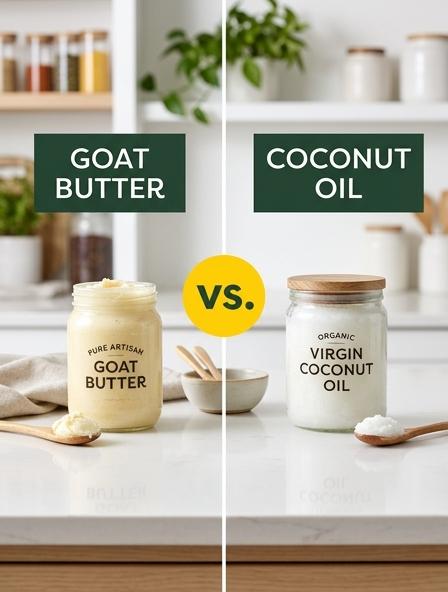
Choosing between goat butter and coconut oil significantly alters the sensory outcome of a recipe. Goat butter is prized for its tangy, earthy, and slightly grassy undertones, providing a sophisticated creamy finish that mimics high-end dairy. Conversely, coconut oil offers a tropical sweetness in its virgin state or a completely neutral profile when refined.
- Goat Butter: Enhances savory herbs like rosemary and thyme; adds a "cheesy" depth to gourmet pastries.
- Coconut Oil: Pairs excellently with chocolate and vanilla or serves as a foundation for spicy curry bases.
While goat butter has a lower smoke point, its natural moisture content creates a tender, flaky crumb in biscuits that coconut oil's pure fat structure cannot replicate.
Bakers often reach for coconut oil when crafting a silky vegan chocolate ganache, whereas home cooks love finishing a pan-seared salmon fillet with a melt of goat butter for a distinct, velvet-like tang.
Smoke Point Performance for High Heat Sautéing
When selecting a fat for high-heat cooking, the smoke point-the temperature at which an oil starts to burn and release acrid smoke-is critical. Goat butter typically has a smoke point of approximately 350°F (177°C). Because it contains milk solids and proteins, it can brown or burn quickly if used for prolonged high-heat applications. In contrast, the performance of coconut oil depends on its refinement level, often offering a more resilient profile for the pan.
| Fat Type | Smoke Point | Best For |
|---|---|---|
| Goat Butter | ~350°F | Low-medium sautéing |
| Refined Coconut Oil | ~400°F - 450°F | High-heat searing |
| Virgin Coconut Oil | ~350°F | Light sautéing |
Home chefs often reach for refined coconut oil when stir-frying at high temperatures to avoid smoke, but prefer goat butter for finishing a pan-seared trout to add a rich, tangy depth.
Comparison of Saturated Fat and Heart Health Effects
Both goat butter and coconut oil are high in saturated fats, yet their unique fatty acid profiles influence cardiovascular health differently. Goat butter contains a high concentration of Medium-Chain Triglycerides (MCTs), which the liver processes quickly for energy, potentially minimizing lipid storage. In contrast, coconut oil is nearly 90% saturated fat, primarily consisting of lauric acid.
| Feature | Goat Butter | Coconut Oil |
|---|---|---|
| Saturated Fat | Approx. 70% | Approx. 82-90% |
| Cholesterol | Contains dietary cholesterol | Cholesterol-free |
While coconut oil effectively raises HDL (good) cholesterol, it can also increase LDL (bad) levels. Goat butter offers a more balanced profile with added Vitamin A, which supports vascular integrity. Many health-conscious chefs prefer whisking a spoonful of goat butter into savory sauces to achieve a rich, creamy finish while benefiting from its superior digestibility over heavy plant-based oils.
Impact on Texture and Crumb in Home Baking
The choice between goat butter and coconut oil fundamentally alters the structural integrity of baked goods. Goat butter, containing a higher moisture content and a lower melting point than bovine alternatives, produces an exceptionally soft, velvety crumb. Its natural emulsifiers ensure a tender mouthfeel in delicate sponges and quick breads.
In contrast, coconut oil is 100% fat and lacks water. This results in a "shorter" texture, often yielding a denser or crispier finish depending on the recipe's temperature. Below are the primary textural differences:
- Goat Butter: Creates a moist, airy, and pliable crumb.
- Coconut Oil: Produces a rich, solid, and often snappier structure.
While goat butter excels in providing a creamy lift, coconut oil is superior for achieving distinct flakiness in dairy-free recipes. You might choose goat butter for a luxurious, melt-in-your-mouth pound cake, while reaching for coconut oil when you want a crisp, golden edge on your favorite vegan chocolate chip cookies.
Digestibility and Gut Health Benefits of Different Fat Sources
When comparing goat butter and coconut oil, both stand out for their high concentration of Medium-Chain Triglycerides (MCTs). Unlike long-chain fats, MCTs are metabolized quickly by the liver, offering immediate energy without placing a heavy burden on the gallbladder or digestive enzymes.
- Goat Butter: Features smaller fat globules and A2 beta-casein, which prevents the inflammation often triggered by cow's milk, making it ideal for those with dairy sensitivities.
- Coconut Oil: Rich in lauric acid, it provides powerful antimicrobial properties that help balance the gut microbiome by inhibiting the overgrowth of harmful bacteria.
While goat butter provides bioavailable Vitamin A to support the intestinal lining, coconut oil offers a vegan-friendly way to reduce gut inflammation. Choosing the right fat depends on whether you prioritize animal-based fat-soluble vitamins or plant-based antifungal benefits. You might stir a dollop of goat butter into your morning coffee for a rich, creamy texture that fuels your brain without the post-breakfast bloat.
Vitamin Bioavailability and Nutritional Density
When comparing goat butter and coconut oil, the primary difference lies in their micronutrient profiles. Goat butter is a potent source of bioavailable Vitamin A (retinol), which the human body absorbs directly without requiring enzymatic conversion. It also provides essential fat-soluble vitamins like D, E, and K2, which are crucial for bone health and immune function.
- Goat Butter: High in preformed Vitamin A and short-to-medium chain fatty acids that enhance mineral absorption.
- Coconut Oil: Rich in Medium-Chain Triglycerides (MCTs) like lauric acid, but naturally lacks fat-soluble vitamins.
While coconut oil is a celebrated plant-based energy source, goat butter offers superior nutritional density for those seeking fat-soluble vitamins. The unique structure of goat milk fat globules allows for easier digestion and faster nutrient uptake compared to bovine alternatives. You might prefer whisking a spoonful of goat butter into your morning coffee for a creamy, nutrient-dense start that provides both immediate energy and essential vitamins.
Moisture Retention and Performance in Pan Cooking
The primary difference between goat butter and coconut oil in pan cooking lies in their water content. Goat butter contains approximately 15-17% water, which facilitates a natural basting effect. As the butter melts, the water evaporates into steam, helping to hydrate delicate proteins and prevent them from drying out. Conversely, coconut oil is 100% fat and contains no moisture, making it superior for high-heat applications where a dry, crispy exterior is the goal.
- Goat Butter: Best for moisture-rich sautéing and adding creaminess to delicate meats.
- Coconut Oil: Ideal for high-heat searing, stir-frying, and achieving maximum crunch.
You will likely prefer goat butter when pan-searing a white fish fillet to ensure the flesh stays succulent and tender, while coconut oil remains the better choice for getting those perfectly golden, crisp edges on sautéed potatoes.
Shelf Life and Storage Requirements in the Home Kitchen
Understanding the storage needs of goat butter versus coconut oil is essential for maintaining kitchen efficiency and food safety. Goat butter, being a dairy product, contains milk solids and moisture that make it prone to spoilage. Conversely, coconut oil is a highly stable saturated fat with a much longer lifespan.
- Goat Butter: Must be refrigerated in an airtight container to prevent odor absorption. It typically lasts 2 to 3 weeks in the fridge or up to six months when frozen.
- Coconut Oil: Extremely shelf-stable at room temperature. It stays fresh in a cool, dark pantry for 18 to 24 months without needing refrigeration.
While both fats offer unique culinary benefits, their durability varies greatly depending on environmental exposure. You might find it easier to keep coconut oil as your reliable pantry staple for daily baking, while treating goat butter as a delicate, refrigerated luxury for spreading on fresh sourdough.
Mouthfeel and Visual Appeal of Finished Meals
Choosing between goat butter and coconut oil significantly alters the sensory experience of a dish. Goat butter is prized for its lower melting point, which results in a velvety, immediate melt-in-the-mouth sensation. Visually, it lends a sophisticated, porcelain-white finish to sauces and bakes, unlike the yellow hue of cow butter. Coconut oil provides a different profile, characterized by a slicker, thinner viscosity and a high-gloss sheen that makes ingredients appear vibrant and reflective.
- Goat Butter: Delivers a rich, creamy texture and a clean, matte-white aesthetic.
- Coconut Oil: Offers a lightweight, oily mouthfeel and a translucent, shimmering glaze.
Home chefs often choose a dollop of goat butter to finish a delicate lemon risotto, ensuring a pearlescent glow and a luxurious, lingering creaminess that coconut oil's thinner consistency cannot replicate.
Environmental Sustainability and Sourcing Considerations
Evaluating the ecological footprint of goat butter versus coconut oil requires a balance between land management and global logistics. Goat butter is frequently sourced from smaller, localized farms where goats graze on marginal lands unsuitable for crops, potentially fostering soil biodiversity. However, as a dairy product, it still contributes to livestock-related methane emissions.
Coconut oil is a high-yield vegetable fat, yet its rapid industrial expansion is often linked to habitat loss in sensitive tropical regions. Additionally, the vast distances coconut oil travels to reach international markets significantly increase its carbon debt compared to regionally produced dairy fats.
- Goat Butter: Lower transport emissions when sourced locally; utilizes non-arable land efficiently.
- Coconut Oil: Higher yield per acre but carries risks of monoculture and tropical deforestation.
A sustainability-focused chef might opt for pasture-raised goat butter from a nearby creamery to ensure their signature pastries support regenerative local agriculture while reducing shipping-related pollution.
Goat Butter vs Coconut Oil source and external links
- Goat Butter is a creamy, white dairy alternative known for its distinct earthy flavor and a lower melting point than traditional cow's butter.
- Extracted from the meat of mature coconuts, Coconut Oil is a versatile edible fat used extensively in both high-heat cooking and various skincare routines.