
Gluten-Free Pasta vs Regular Pasta: The Differences in Nutritional Value, Cooking Texture, and Flavor Profiles.
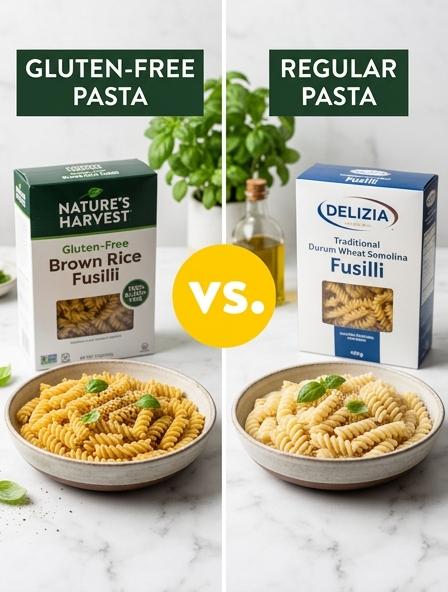
Nutritional Differences in Traditional Wheat and Alternative Flour Varieties
Understanding the nutritional gap between traditional wheat pasta and gluten-free alternatives is essential for informed dietary planning. Traditional semolina pasta is a reliable source of protein and B vitamins, whereas whole-wheat varieties provide substantial fiber. In contrast, gluten-free options offer varying profiles based on their base ingredients:
- Legume-based (Chickpea, Lentil): Higher in plant-based protein and dietary fiber than wheat.
- Grain-based (Rice, Corn): Often lower in protein and can have a higher glycemic index.
- Ancient Grains (Quinoa, Buckwheat): Provide a complete amino acid profile and essential minerals.
While traditional pasta offers the classic al dente texture, alternative flours cater to specific health requirements like celiac disease or low-carb lifestyles. You might choose a protein-dense red lentil penne for a quick post-workout dinner when you want to fuel muscle recovery without the digestive heaviness often associated with gluten.
Texture and Firmness Changes During the Boiling of Various Noodle Types
The boiling process significantly affects the structural integrity of noodles depending on their base ingredients. Traditional wheat pasta relies on a gluten protein matrix to trap starch granules, resulting in the desired al dente firmness. In contrast, gluten-free alternatives-made from rice, corn, or legumes-lack this elastic network, making them more susceptible to starch leaching and rapid softening during hydration.
- Wheat-based: Maintains high elasticity and a firm, resilient bite.
- Rice and Corn: Rapidly lose firmness and can develop a slippery surface texture.
- Legume-based: Retains structural density but may become brittle or grainy if overcooked.
Understanding these physical shifts is essential for achieving the perfect mouthfeel, such as when a home cook carefully times the boiling of brown rice fusilli to ensure it maintains its shape against a heavy, savory marinara sauce.
Sauce Adhesion and Liquid Absorption in Standard and Substitute Doughs
The interaction between pasta and sauce is dictated by surface porosity and starch composition. Traditional semolina pasta features a robust gluten matrix that creates a rough, microscopic texture, ideal for "sauce cling" and emulsifying fats. Conversely, gluten-free pastas-crafted from corn, rice, or legumes-behave differently due to their unique starch profiles and lack of elastic protein.
- Standard Pasta: Releases amylose into cooking water, creating a starchy binder that helps silkier sauces adhere to the noodle.
- Gluten-Free Pasta: Often has a smoother, less porous surface; however, legume-based versions (like chickpea) provide higher protein levels for better structural integrity.
- Absorption: GF varieties typically have a narrower window for "al dente" before the starch granules over-expand and lose their grip on the liquid.
Imagine tossing a vibrant, garlicky pesto with bronze-cut brown rice fusilli; the deep ridges are specifically designed to trap every drop of oil, ensuring a rich and flavorful bite for your next allergen-friendly dinner party.
Digestive Comfort and Fiber Levels in Wheat-Based and Grain-Free Options
The choice between traditional wheat pasta and gluten-free alternatives significantly impacts digestive wellness and nutrient absorption. Traditional semolina pasta contains gluten, a protein that can cause bloating or gastrointestinal distress in sensitive individuals. In contrast, grain-free pastas utilize diverse bases that offer varying levels of dietary fiber and digestibility.
- Whole Wheat Pasta: High in insoluble fiber, which supports bowel regularity but may feel "heavy."
- Legume Pastas (Lentil/Chickpea): Rich in prebiotic fiber and protein, though they may cause gas in those unaccustomed to high fiber.
- Rice and Corn Pastas: Typically lower in fiber but very gentle on the stomach and easy to digest.
While wheat remains the standard for texture, many health-conscious diners now reach for red lentil fusilli to enjoy a high-fiber, protein-packed dinner that supports stable energy levels without the post-meal sluggishness.
Blood Sugar Impact of Semolina and Wheat-Free Alternatives
The glycemic response to pasta depends heavily on its base ingredients. Traditional semolina pasta, made from durum wheat, has a moderate glycemic index (GI) because its dense protein structure slows down starch digestion. In contrast, the blood sugar impact of gluten-free alternatives varies significantly based on their composition:
- Rice and Corn Pasta: These often have a higher GI, leading to faster glucose absorption and potential insulin spikes.
- Legume-Based Pasta: Options made from chickpeas, lentils, or black beans are rich in fiber and protein, resulting in a much lower glycemic load.
- Whole Wheat Pasta: Contains the bran and germ, offering more fiber than refined semolina to help stabilize blood sugar.
Choosing the right noodle can prevent energy dips and support metabolic health. You might find that switching to a savory red lentil penne for your family dinner provides the sustained fullness and steady energy levels that everyone loves after a busy day.
Cooking Durations and Structural Integrity of Different Flour Bases
Traditional wheat pasta relies on gluten for a firm, "al dente" texture, maintaining its shape even if boiled slightly too long. Conversely, gluten-free alternatives behave differently due to their unique starch compositions. Without gluten's elastic network, alternative flours like brown rice, corn, or legumes can rapidly lose structural integrity, transitioning from firm to mushy in seconds.
| Flour Base | Structural Integrity | Typical Cook Time |
|---|---|---|
| Durum Wheat | High (Elastic) | 8–12 Minutes |
| Brown Rice | Moderate (Starchy) | 7–10 Minutes |
| Chickpea/Lentil | Low (Fragile) | 5–8 Minutes |
You might prefer chickpea pasta for a protein-dense dinner, but ensure you test the firmness frequently to avoid the common pitfall of a gummy texture.
Protein Content and Caloric Values in Conventional and Wheat-Excluded Selections
Understanding the nutritional profile of gluten-free pasta versus traditional durum wheat varieties is essential for balanced dietary planning. Traditional pasta typically offers a consistent protein content due to the gluten protein itself, whereas gluten-free options vary significantly based on their primary starch source. While calories remain relatively comparable between both types-usually ranging from 190 to 210 per serving-the macronutrient distribution differs:
- Durum Wheat: Reliable protein (approx. 7-8g) and moderate fiber.
- Legume-Based (Chickpea/Lentil): Superior protein and fiber content compared to wheat.
- Rice or Corn Flour: Generally lower protein levels with a focus on easily digestible carbohydrates.
Health-conscious shoppers often choose chickpea-based rotini to boost their post-workout protein intake, while home cooks preparing a traditional Italian feast often prefer the classic bite and texture of semolina-based spaghetti.
Reheating Quality and Storage Stability of Various Cooked Flour Products
The structural integrity of pasta during storage depends largely on its protein-starch matrix. Traditional wheat pasta utilizes a gluten network that encapsulates starch granules, providing superior stability when chilled and reheated. Conversely, gluten-free (GF) pasta often relies on gelatinized starches from rice or maize, which are more susceptible to retrogradation, leading to a firmer or more brittle texture over time.
- Wheat Pasta: Maintains elasticity and "al dente" bite through multiple reheat cycles.
- Rice-Based GF: Tends to become hard due to rapid starch crystallization; requires moisture for recovery.
- Legume-Based GF: Higher protein content helps structure but can become mushy if over-steamed.
Effective storage requires airtight sealing to prevent moisture loss, which is particularly detrimental to GF varieties. You might find that adding a splash of water and a damp paper towel before microwaving your leftover chickpea penne restores that fresh-cooked tenderness you love for a quick, healthy lunch.
Flavor Profiles and Taste Differences Between Wheat and Alternative Grains
Traditional semolina wheat pasta is celebrated for its mild, nutty sweetness and characteristic elastic "bite." Because wheat is relatively neutral, it acts as a perfect canvas for complex sauces. In contrast, gluten-free pastas carry the distinct flavor markers of their source grains, which can significantly alter the dish's profile.
- Wheat: Mildly sweet with a clean finish and firm texture.
- Brown Rice: Earthy and subtle, often the closest match to wheat's neutrality.
- Corn: Noticeably sweeter with a flavor reminiscent of polenta.
- Chickpea/Lentil: Robust, savory, and slightly "beany" with a denser mouthfeel.
While wheat remains the standard for traditional Italian cuisine, alternative grains provide unique opportunities for creative pairings. You might prefer a chickpea-based penne when preparing a protein-heavy Mediterranean salad, as its earthy richness beautifully complements tangy feta and sharp lemon vinaigrettes.
Availability and Preparation Efficiency of Common and Specialty Flour Items
Comparing traditional wheat pasta with gluten-free alternatives involves assessing both shelf accessibility and kitchen performance. While semolina-based noodles are ubiquitous in every grocery store, specialty items-crafted from brown rice, chickpeas, or quinoa-are increasingly available but often require specific sourcing in dedicated health aisles.
In terms of preparation efficiency, the two categories differ significantly regarding their "al dente" windows and starch release:
| Feature | Standard Wheat Pasta | Gluten-Free Pasta |
|---|---|---|
| Availability | Universal / Bulk | Specialty / Health Aisles |
| Cooking Tolerance | High (Forgiving) | Low (Prone to mushiness) |
| Average Boil Time | 8–12 Minutes | 5–10 Minutes |
Home chefs often appreciate the reliability of traditional spaghetti for large family gatherings, whereas busy professionals frequently choose red lentil pasta for a high-protein, quick-cooking meal after a long workday.
Gluten-Free Pasta vs Pasta source and external links
- Gluten-free pasta offers a nutritious alternative for those with dietary restrictions by utilizing ingredients such as brown rice, corn, or legumes. Learn more about Gluten-Free Pasta.
- Pasta is a versatile staple of Italian cuisine made from unleavened dough that comes in various shapes and sizes to suit different culinary dishes. Explore the origins of Pasta.