
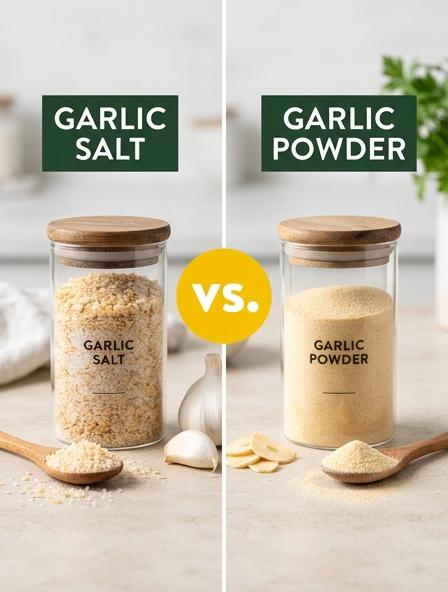
Garlic Salt vs. Garlic Powder: Comparing Sodium Levels, Flavor Potency, and Culinary Performance Differences.
Sodium content in Garlic Salt versus Garlic Powder
The nutritional profile of these kitchen staples differs significantly due to their composition. Garlic powder is 100% dehydrated, ground garlic, making it naturally low in sodium. Garlic salt, however, is a mixture usually containing a 3:1 ratio of salt to garlic powder, resulting in extremely high sodium levels.
- Garlic Powder: Contains approximately 1–2 mg of sodium per teaspoon.
- Garlic Salt: Contains nearly 1,900 mg of sodium per teaspoon.
Using garlic powder offers the flexibility to infuse deep, savory flavor into meals while maintaining total control over salt intake. This makes it the superior choice for heart-healthy cooking and professional seasoning techniques where precision is required.
Fitness enthusiasts love sprinkling pure garlic powder over roasted sweet potatoes to enjoy a punch of flavor without the water retention often caused by high-sodium pre-mixed salts.
Flavor profile impact on home cooked dishes
Choosing between garlic salt and garlic powder significantly alters the sodium-to-flavor ratio of your meals. Garlic powder provides a pure, concentrated essence of dehydrated cloves, making it ideal for spice blends and sauces where you want deep aroma without added salinity. Garlic salt, a mixture usually containing three parts salt to one part garlic, offers convenience but requires careful measurement to avoid over-seasoning.
| Product | Composition | Primary Impact |
|---|---|---|
| Garlic Powder | 100% Garlic | Pungent, savory depth; full salt control. |
| Garlic Salt | Garlic + Salt | Salty, savory finish; convenient blending. |
You might love using garlic salt for a quick, savory crunch on buttery movie-night popcorn, whereas the powder is your best bet for a balanced, slow-cooked chili where you need to control every pinch of sodium yourself.
Performance in High Heat Roasting and Searing Applications
In high-heat environments like searing or roasting, the primary challenge is the low burn point of garlic solids. Garlic powder consists of 100% dehydrated garlic, which can quickly turn acrid and bitter if exposed to direct flames or high surface temperatures.
| Factor | Garlic Powder | Garlic Salt |
|---|---|---|
| Burn Risk | High; burns rapidly at high heat | Moderate; salt acts as a buffer |
| Surface Texture | Fine; blends into rubs | Granular; aids in crust formation |
Garlic salt provides a slight advantage for crust development because the sodium draws out moisture to facilitate the Maillard reaction. However, it offers less control over the final salinity of the dish. Professional chefs often prefer using garlic powder mixed into a custom dry rub for a thick-cut ribeye, ensuring a perfect savory crust without the risk of over-salting during the final sear.
Sodium intake considerations for family meal planning
When managing a household's nutritional needs, the choice between garlic salt and garlic powder significantly impacts daily sodium consumption. Garlic powder consists solely of ground, dehydrated garlic cloves, offering intense flavor with zero added salt. Conversely, garlic salt is a pre-mixed blend typically containing three parts salt to one part garlic powder, making it a hidden source of high sodium.
- Garlic Powder: Pure flavor with 0mg of sodium per serving.
- Garlic Salt: Contains approximately 1,480mg of sodium per teaspoon.
Opting for the powder version allows for better control over the seasoning process, ensuring that flavor is not synonymous with excessive salt intake. This distinction is vital for families monitoring heart health or those simply wishing to reduce processed additives in their home cooking.
You might prefer whisking pure garlic powder into a homemade chicken marinade to achieve a robust, savory profile while maintaining total control over the salt shaker.
Storage longevity and moisture resistance in the kitchen
The shelf stability of these two pantry staples depends largely on their reaction to humidity. Garlic powder is pure dehydrated garlic, making it highly hygroscopic. This means it aggressively absorbs airborne moisture, which often leads to "caking" or the powder turning into a solid brick if stored near a steamy stovetop. In contrast, garlic salt is a blend where the sodium chloride acts as a natural desiccant and preservative.
| Attribute | Garlic Powder | Garlic Salt |
|---|---|---|
| Moisture Resistance | Low (Prone to clumping) | High (Salt maintains flow) |
| Potency Retention | Diminishes faster | Longer shelf life |
The presence of salt creates a buffer that prevents the garlic particles from binding together in damp environments. You might prefer the reliable, free-flowing texture of garlic salt when seasoning a large, steaming pot of pasta water, where the rising vapor would instantly seize up a jar of pure powder.
Surface texture differences in dry rub seasonings
When comparing garlic salt versus garlic powder, the grain size significantly impacts the final crust of your protein. Garlic powder is a fine, flour-like dust that offers maximum surface area for quick moisture absorption and deep flavor infusion. Conversely, garlic salt features a blend of granulated garlic and coarse salt crystals, creating a more abrasive structural profile.
- Garlic Powder: Provides a smooth, uniform coating that penetrates meat fibers easily.
- Garlic Salt: Delivers a gritty texture that remains on the surface to assist in bark development.
These structural differences dictate how heat and airflow interact with the seasoning layer during the cooking process. While powder dissolves into the natural juices, the larger crystals in garlic salt help create a pressurized seal on the meat's exterior. You might prefer using a garlic salt-based rub on a thick-cut ribeye to ensure every bite has a distinct, tactile crunch that enhances the savory experience.
Potency and Aromatic Strength in Liquid-Based Recipes
In liquid-heavy applications such as soups, stews, and marinades, garlic powder is the superior choice for depth and fragrance. Garlic powder is 100% dehydrated garlic, offering a concentrated punch of flavor that "blooms" once it hits moisture. Garlic salt, conversely, is a blend-usually three parts salt to one part garlic powder. This dilution means you must add significantly more volume to achieve the same aromatic intensity, which often results in an oversalted dish.
- Garlic Powder: Provides pure, pungent aromatics without affecting the salinity of the liquid.
- Garlic Salt: Primarily adds sodium, making it difficult to layer garlic flavor in reducing sauces.
You may prefer whisking pure garlic powder into a simmering pot of homemade marinara to achieve a robust, savory kick without turning your sauce into a salt lick.
Cost efficiency of Garlic Salt versus Garlic Powder
When analyzing cost efficiency, garlic powder offers significantly better value for your money. While a bottle of garlic salt may appear cheaper at the supermarket, it typically consists of roughly three parts salt to one part garlic powder. By purchasing the pure powder, you avoid paying a premium for common table salt, which is one of the least expensive pantry staples.
- Potency: Garlic powder is 100% concentrated flavor, requiring smaller quantities per dish.
- Volume: A single ounce of powder lasts much longer than an ounce of the salt blend.
- Control: Pure powder allows you to adjust seasoning without inadvertently increasing sodium intake.
Economically, garlic powder is the smarter choice because it provides the flexibility to create your own blends at a fraction of the retail price. You might find it most useful when preparing a large batch of dry rub for a summer barbecue, allowing you to dial in the perfect garlic punch while keeping your seasoning costs to a minimum.
Interaction with Moisture in Savory Baking and Doughs
In savory baking, the choice between garlic salt and garlic powder fundamentally alters dough hydration and yeast performance. Garlic powder is simply dehydrated garlic, which absorbs ambient moisture without significantly disrupting the chemical balance of the recipe. However, garlic salt introduces high levels of sodium chloride, a hygroscopic substance that actively competes with flour for water.
- Garlic Powder: Provides concentrated flavor without affecting the salt-to-yeast ratio, ensuring a steady rise.
- Garlic Salt: Can exert osmotic pressure on yeast cells, potentially slowing fermentation or killing the yeast if the concentration is too high.
Because salt draws moisture away from gluten-forming proteins, using garlic salt in place of powder can lead to a tighter, less extensible dough structure. Imagine a baker crafting a savory garlic brioche; they reach for the powder to keep the crumb pillowy and light, knowing the salt version would tighten the gluten and stall the rise.
Visual finish and color on seasoned vegetables
The choice between garlic salt and garlic powder significantly impacts the aesthetic appeal of seasoned vegetables. Garlic powder consists of finely ground dehydrated cloves, which tend to dissolve into the vegetable's natural oils or surface moisture. This results in a uniform, matte finish and a subtle golden-brown tint that doesn't distract from the vegetable's shape.
In contrast, garlic salt introduces sodium chloride crystals into the mix, which can create a different visual profile:
- Garlic Powder: Blends seamlessly for an "invisible" but savory coating.
- Garlic Salt: Provides a glistening, reflective surface and may leave visible white grains.
While garlic powder offers a clean look, the salt in garlic salt can draw out moisture, occasionally leading to a more caramelized or "crusty" exterior during high-heat roasting. You might prefer the discreet, savory coating of garlic powder when roasting vibrant bell peppers or carrots to ensure their natural colors remain the focal point of the dish.
Garlic Salt vs Garlic Powder source and external links
- Garlic salt is a convenient seasoning blend composed of ground dried garlic and table salt, often used to add savory flavor to meats and vegetables. Garlic Salt
- Garlic powder is a concentrated spice made from dehydrated garlic cloves that have been finely ground into a flour-like consistency for easy incorporation into recipes. Garlic Powder