
Garlic Mustard vs Yellow Mustard: The Differences in Flavor Profiles, Nutritional Density, and Heat Stability.
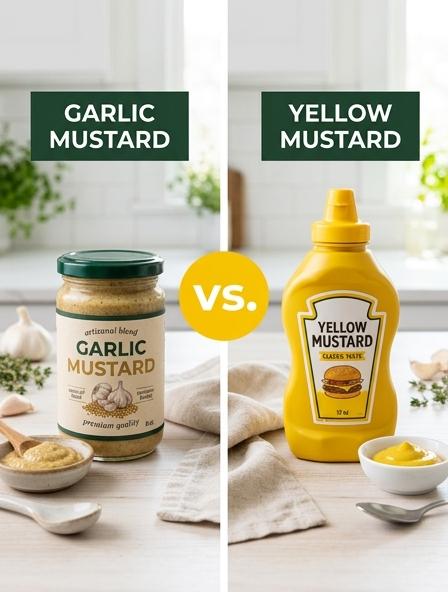
Flavor Profiles and Pungency Levels
The sensory experiences of garlic mustard and yellow mustard are distinct, rooted in their chemical compositions. Garlic mustard (Alliaria petiolata) provides a complex, dual-flavor profile; it combines the pungent, sulfurous notes of garlic with the bitter, peppery finish of a wild green. Its heat is mild to moderate, often mellowing when cooked. Conversely, yellow mustard, typically made from Sinapis alba seeds, focuses on a sharp, acidic, and bright pungency that hits the sinuses quickly.
- Garlic Mustard: Savory, earthy, and nutty with a hint of bitterness.
- Yellow Mustard: Tangy, vinegar-forward, and consistently sharp.
While yellow mustard provides the classic zest for a ballpark hot dog, foraging enthusiasts prefer using young garlic mustard leaves in a wild pesto to achieve a sophisticated, garlicky depth that bottled condiments lack.
Nutritional Density and Health Impacts
Garlic mustard (Alliaria petiolata) and yellow mustard (Sinapis alba) provide significant health benefits, though their nutrient profiles differ. Garlic mustard is a powerhouse of Vitamin A, C, and E, often surpassing cultivated greens in antioxidant concentration. In contrast, yellow mustard is renowned for its high mineral content and glucosinolates, which are compounds studied for their anti-inflammatory and cancer-preventive properties.
- Garlic Mustard: Exceptionally high in Omega-3 fatty acids and fiber, supporting heart health and digestion.
- Yellow Mustard: Rich in selenium and magnesium, which are essential for metabolic regulation and bone density.
While garlic mustard offers a superior vitamin boost for immune support, yellow mustard provides the trace minerals necessary for enzyme function and cardiovascular strength. Both plants contain allyl isothiocyanate, which stimulates digestion and improves blood circulation.
You can toss freshly foraged garlic mustard into a pesto for a potent vitamin infusion, or use cracked yellow mustard seeds in a marinade to add heart-healthy minerals to your evening meal.
Heat Stability During the Cooking Process
Understanding how temperature affects garlic mustard versus yellow mustard is essential for flavor preservation. Garlic mustard (Alliaria petiolata) is a wild herb with volatile oils that are highly sensitive to heat. Prolonged cooking typically destroys its complex "garlic-meets-pepper" profile, often resulting in an unpleasant bitterness. In contrast, yellow mustard-derived from Sinapis alba seeds-is remarkably heat-stable, maintaining its pungent tang even when subjected to high temperatures.
- Garlic Mustard: Best utilized in raw preparations or finished with "off-heat" techniques.
- Yellow Mustard: Ideal for high-heat applications like braising, roasting, or emulsifying into boiling sauces.
Home cooks often whisk yellow mustard into a simmering cider glaze for pork chops to ensure a consistent zest, while reserving fresh garlic mustard leaves to fold into a warm potato salad just seconds before serving to keep the delicate aromatics intact.
Sodium Levels and Ingredient Purity
When comparing garlic mustard and classic yellow mustard, ingredient purity often favors the traditional yellow variety. Standard yellow mustard typically consists of distilled vinegar, water, mustard seeds, turmeric, and salt, maintaining a short, clean label. In contrast, garlic mustard blends-especially processed commercial preparations-may introduce additional sodium, sugars, or preservatives to balance the pungent garlic notes and extend shelf life.
Sodium levels can vary significantly between brands, but traditional yellow mustard generally remains a low-calorie, low-sodium choice. Garlic-infused versions may see an increase in salt content to enhance the savory "umami" profile of the garlic.
- Yellow Mustard: High purity; colored naturally by turmeric with minimal additives.
- Garlic Mustard: Complex flavor profile; potentially higher sodium to support savory ingredients.
Imagine a health-conscious home cook reaching for a bottle of organic yellow mustard to keep their backyard turkey burger low-sodium while still enjoying that iconic, tangy zing.
Texture and Consistency in Prepared Dishes
The culinary experience of garlic mustard versus yellow mustard is defined by their physical forms. Garlic mustard is typically utilized as a fresh herb; its leaves provide a tender yet slightly fibrous texture similar to spinach or kale. When pulsed into a pesto, it maintains a rustic, leafy grit. In contrast, yellow mustard is derived from seeds containing high levels of mucilage, which acts as a natural thickener and emulsifier.
- Garlic Mustard: Offers a delicate wilt when sautéed or a coarse, herbaceous body in chopped preparations.
- Yellow Mustard: Results in a creamy, uniform paste when ground or a distinct "pop" when using whole pickled seeds.
While chefs rely on the smooth emulsion of yellow mustard to bind a velvety vinaigrette, backyard foragers often prefer the coarse, earthy crunch of garlic mustard leaves tossed into a fresh woodland salad.
Digestive Benefits and Enzyme Activity
Both garlic mustard and yellow mustard function as potent digestive stimulants, though their chemical compositions offer distinct advantages. Garlic mustard is traditionally prized for its carminative properties, helping to reduce gas and stimulate bile production. In contrast, yellow mustard is a primary source of the enzyme myrosinase, which is essential for breaking down glucosinolates into health-boosting compounds like sulforaphane.
- Garlic Mustard: Acts as a natural tonic that supports metabolic rate and eases intestinal congestion.
- Yellow Mustard: Highly effective at stimulating salivary glands and gastric juices, which accelerates the breakdown of heavy proteins.
The enzymatic activity in yellow mustard is so effective that it significantly increases the bioavailability of nutrients when paired with nutrient-dense proteins.
Home cooks often whisk yellow mustard into a vinaigrette for steamed broccoli to reactivate the beneficial enzymes that are typically destroyed by heat during the cooking process.
Kitchen Longevity and Preservation
The culinary shelf life of garlic mustard versus yellow mustard depends largely on their preparation and acidity levels. Commercial yellow mustard is a highly shelf-stable condiment; its vinegar and salt content act as powerful natural preservatives, allowing it to remain high-quality for over a year when refrigerated. In contrast, garlic mustard is a fresh wild herb that degrades rapidly. Once harvested, its volatile oils dissipate, and the leaves begin to wilt and lose their characteristic garlicky pungency within days.
- Yellow Mustard: Lasts 12–18 months in the refrigerator after opening.
- Fresh Garlic Mustard: Best used within 2–4 days if kept in a damp paper towel.
- Preserved Garlic Mustard: Can be frozen as pesto or infused in vinegar for up to 6 months.
You might find that blitzing a large spring harvest of garlic mustard into a savory pesto and freezing it in ice cube trays is the best way to ensure you have a zesty, foraged flavor ready for your autumn pasta nights.
Chemical Reactions in Meat Marinades
Understanding the chemical differences between Garlic Mustard (Alliaria petiolata) and Yellow Mustard (Sinapis alba) is essential for effective marination. Yellow mustard is rich in mucilage, a complex polysaccharide that acts as a powerful emulsifier, stabilizing the bond between oil and acidic components. In contrast, Garlic Mustard contains high levels of the enzyme myrosinase, which, when crushed, triggers a reaction with glucosinolates to release pungent allyl isothiocyanates.
| Mustard Type | Primary Compound | Marinade Effect |
|---|---|---|
| Yellow Mustard | Sinalbin | Surface tenderization and emulsification. |
| Garlic Mustard | Sinigrin | Enzymatic protein breakdown and sulfurous infusion. |
Home cooks often prefer whisking wild-foraged Garlic Mustard into a red wine vinaigrette to provide a complex, onion-like bite to lean cuts of steak before grilling.
Historical Context and Traditional Use Cases
Garlic mustard (Alliaria petiolata) and yellow mustard (Sinapis alba) share deep European roots but occupied different niches in ancient society. Archaeological findings suggest garlic mustard is one of Europe's oldest spices, used over 6,000 years ago to flavor prehistoric meals. In contrast, yellow mustard was a favorite of the Romans, who were among the first to grind the seeds into a spreadable paste.
- Garlic Mustard: Traditionally gathered from the wild as a "poor man's spice," it provided a garlic-like flavor before global trade made real garlic accessible.
- Yellow Mustard: Cultivated systematically for its medicinal heat and preservative qualities, often used to mask the taste of salted meats.
While garlic mustard eventually fell out of favor in high cuisine, yellow mustard became a global industrial staple. You might find yourself foraging for garlic mustard to add a wild, peppery kick to a spring salad, or using yellow mustard powder to create a traditional, sinus-clearing condiment for roasted meats.
Aesthetic Influence on Meal Presentation
The visual impact of these two ingredients depends entirely on their physical forms and color profiles. Garlic mustard, as a wild herb, introduces a rustic, organic aesthetic to the plate. Its serrated green leaves and delicate white blossoms offer a "foraged" look that appeals to modern, farm-to-table plating styles. Conversely, yellow mustard serves as a bold, high-contrast accent.
| Feature | Garlic Mustard | Yellow Mustard |
|---|---|---|
| Color Palette | Earthy Greens | Vibrant Canary Yellow |
| Visual Texture | Leafy and Fibrous | Smooth and Creamy |
When crafting a gourmet presentation, chefs often use fresh garlic mustard leaves to add height and texture to woodland-inspired salads, while home cooks love how a sharp, neon zig-zag of yellow mustard makes a classic ballpark frankfurter visually pop against a golden-brown bun.
Garlic Mustard vs Yellow Mustard source and external links
- Garlic Mustard is an invasive biennial herb that spreads rapidly through North American forests, displacing native wildflowers and altering soil chemistry.
- Commonly used as a condiment for sandwiches and snacks, Yellow Mustard is typically prepared from white mustard seeds and turmeric.