
Garlic Mustard vs White Mustard : Comparing Flavor, Nutrition, and Culinary Differences
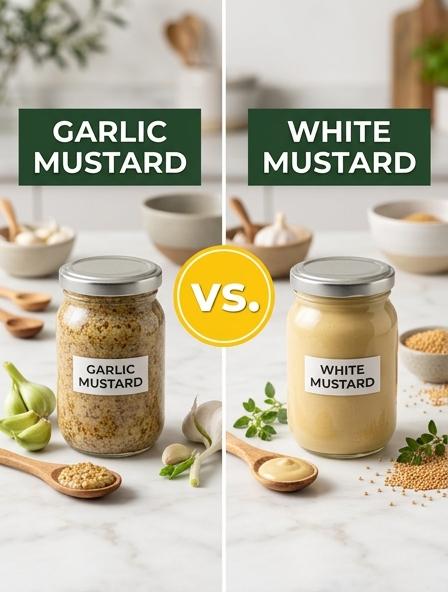
Flavor Profiles and Aromatic Pungency
While both plants belong to the Brassicaceae family, their chemical compositions offer vastly different sensory experiences. Garlic mustard (Alliaria petiolata) is prized for its unique combination of mild garlic and onion notes, which are most potent in young leaves. However, it carries a distinct bitterness that increases as the plant matures. In contrast, white mustard (Sinapis alba) is defined by its sharp, nasal-clearing heat driven by the compound sinalbin, providing the classic "zing" found in traditional condiments.
| Feature | Garlic Mustard | White Mustard |
|---|---|---|
| Primary Aroma | Garlic/Allium | Sharp/Pungent |
| Heat Level | Mild/Moderate | High/Fiery |
You can forage young garlic mustard leaves to create a rustic, nutty pesto with a hint of garlic, or grind white mustard seeds into a spicy paste to cut through the richness of grilled meats.
Nutritional Density and Wellness Benefits
Both garlic mustard and white mustard are nutritional powerhouses, yet they offer distinct profiles for health-conscious foragers. Garlic mustard (Alliaria petiolata) is exceptionally high in Vitamin C, Vitamin A, and omega-3 fatty acids, often surpassing commercial greens in mineral density. Conversely, white mustard (Sinapis alba) is renowned for its high concentration of glucosinolates and selenium, which are essential for metabolic health and detoxification.
- Garlic Mustard: Best for immune support and cardiovascular health due to its unique enzyme content.
- White Mustard: Excellent for stimulating digestion and providing anti-inflammatory benefits through its seeds and young shoots.
While garlic mustard provides a wild, garlicky punch of antioxidants, white mustard focuses on circulatory stimulation and digestive heat. You can blend freshly harvested garlic mustard leaves into a vibrant spring pesto to create a nutrient-dense spread that far exceeds the vitamin content of traditional store-bought herbs.
Culinary Heat Tolerance and Performance
Understanding the heat tolerance of Garlic Mustard versus White Mustard is essential for preserving their unique flavor profiles. Garlic Mustard is notoriously delicate; its volatile compounds dissipate rapidly when exposed to high temperatures, often leaving behind a lingering bitterness. In contrast, White Mustard seeds are culinary workhorses, maintaining their pungent integrity even when subjected to the high heat of boiling or roasting.
| Attribute | Garlic Mustard | White Mustard |
|---|---|---|
| Thermal Stability | Low; flavors degrade quickly | High; stands up to cooking |
| Primary Application | Fresh garnishes and pesto | Pickling and hot infusions |
Home cooks love folding finely chopped garlic mustard leaves into a warm potato salad at the very last second, ensuring the residual heat releases a gentle garlicky aroma without making the greens turn acrid.
Textural Differences in Seeds and Foliage
Distinguishing between garlic mustard and white mustard requires a close look at their tactile characteristics. Garlic mustard leaves are generally smooth, thin, and heart-shaped with prominent, crinkly veining. In contrast, white mustard foliage is characterized by deeply lobed leaves covered in stiff, bristly hairs, giving the plant a noticeably rougher texture. Their seeds offer further structural divergence:
- Garlic Mustard Seeds: These are small, slender, and dark brown or black with subtle longitudinal ridges.
- White Mustard Seeds: These are larger, globose, and range from pale yellow to light tan with a relatively smooth surface.
Foragers often prefer the tender, crinkly foliage of young garlic mustard for fresh spring pestos, whereas condiment makers rely on the firm, uniform texture of white mustard seeds to produce smooth, classic table mustards.
Aromatic Intensity and Culinary Applications
The sensory profiles of Garlic Mustard and White Mustard define their distinct roles in the kitchen. Garlic mustard (Alliaria petiolata) is prized for its pungent garlic-onion aroma, which is most intense when the leaves are crushed. Conversely, white mustard (Sinapis alba) offers a milder, nutty heat more aligned with classic condiment seeds.
- Garlic Mustard: Best used raw in pestos or cold sauces to preserve its volatile oils, which dissipate when cooked.
- White Mustard: Primarily cultivated for its seeds to create smooth table mustards or used as a peppery leafy green in stir-fries.
While garlic mustard provides a wild, savory edge, white mustard is the go-to for traditional tang and texture. You might choose finely chopped garlic mustard leaves to brighten a fresh spring chimichurri, a favorite use-case for those who enjoy a forage-to-table twist on grilled proteins.
Digestive Properties and Health Impacts
Garlic mustard (Alliaria petiolata) and white mustard (Sinapis alba) offer distinct physiological benefits rooted in their unique chemical profiles. Garlic mustard is primarily valued for its high concentrations of Vitamin C, Vitamin A, and enzymes that act as a mild tonic for the digestive tract. It functions as a gentle diuretic, helping the body eliminate toxins while providing antioxidant support.
In contrast, white mustard is more pharmacologically potent regarding digestion. Its seeds contain sinalbin, a compound that stimulates gastric acid secretion and enhances biliary flow, making it highly effective for processing heavy fats. Comparing their health impacts reveals specific utilities:
- Garlic Mustard: Best for nutrient absorption and immune-boosting metabolic support.
- White Mustard: Superior for stimulating appetite and accelerating the breakdown of proteins and lipids.
You might find yourself foraging garlic mustard for a vitamin-rich spring salad to refresh your system, or reaching for white mustard seeds as a functional spice to prevent bloating after a dense, celebratory meal.
Traditional Heritage and Regional Cooking
Garlic Mustard (Alliaria petiolata) and White Mustard (Sinapis alba) boast distinct legacies in Eurasian culinary history. Garlic Mustard is one of Europe's oldest known spices, with archaeological evidence suggesting its use as a seasoning dates back to the Neolithic era. It was traditionally valued for providing a savory garlic-onion pungency during early spring. Conversely, White Mustard originated in the Mediterranean and became the global standard for prepared condiments due to its heat-bearing seeds and preservative qualities.
- Garlic Mustard: Historically known as "Sauce-alone," it was a staple for rural European laborers to flavor bread and salted meats.
- White Mustard: Central to Greco-Roman medicine and culinary arts, its seeds are the primary base for traditional yellow mustard pastes and pickling brines.
Home cooks today often enjoy foraging for wild Garlic Mustard to create a rustic, no-cook pesto that perfectly captures the sharp, herbal essence of a traditional spring harvest.
Seasonal Growth Cycles and Harvesting
Understanding the distinct lifecycles of Garlic Mustard and White Mustard is crucial for successful foraging and cultivation. Garlic Mustard is a biennial plant. In its first year, it remains a low-growing rosette; in its second year, it bolts early in the spring to flower and set seed. Conversely, White Mustard is a fast-growing annual that thrives in warmer temperatures, typically reaching maturity and flowering in mid-to-late summer.
- Garlic Mustard: Best harvested for leaves in early spring before flowering, or for roots during the first-year dormancy.
- White Mustard: Harvest young leaves within weeks of planting, or wait for late summer to collect mature seeds from dried pods.
You might enjoy foraging for Garlic Mustard's garlic-scented leaves in the cool dampness of April to create a wild pesto while your White Mustard seeds are just beginning to sprout in the garden soil.
Impact on Palate Balance and Bitterness
Garlic mustard and white mustard influence the palate through contrasting profiles of heat and astringency. Garlic mustard (Alliaria petiolata) is unique for its dual-note of pungent garlic and sharp mustard. However, its bitterness is substantial, especially in mature plants, which can dominate a dish if not balanced with acids or fats.
Conversely, white mustard (Sinapis alba) delivers a cleaner, more immediate heat. It lacks the complex, garlicky depth but provides a bright, peppery finish with significantly less lingering bitterness, making it ideal for standardizing flavors in condiments.
- Garlic Mustard: Earthy, garlic-forward, high bitterness in late-season leaves.
- White Mustard: Sharp, focused heat, low astringency, and a neutral finish.
You might enjoy finely mincing young garlic mustard leaves into a creamy compound butter to soften the plant's natural bitterness while highlighting its savory, alliaceous notes.
Storage Characteristics and Preservation
Garlic mustard and white mustard require distinct handling to maintain their culinary potency. Garlic mustard leaves are highly perishable, losing their signature alliaceous aroma and tender texture quickly after harvest. For short-term storage, keep them in a damp paper towel within a sealed bag in the refrigerator. In contrast, white mustard is primarily valued for its resilient seeds, which boast an exceptional shelf life when kept in a cool, dry pantry.
- Garlic Mustard: Best preserved by processing leaves into pesto or freezing blanched greens to lock in flavor.
- White Mustard: Seeds should remain whole in airtight containers to prevent the loss of pungent volatile oils.
You might enjoy blending fresh garlic mustard into a compound butter and freezing it in small portions, ensuring you have a vibrant, wild-foraged spread ready for your next steak dinner.
Garlic Mustard vs White Mustard source and external links
- Garlic mustard is an invasive biennial herb that spreads rapidly through North American forests, outcompeting native wildflowers and altering soil chemistry. Garlic Mustard
- White mustard is a Mediterranean plant widely cultivated for its seeds, which are the primary ingredient in traditional yellow mustard condiments. White Mustard