
Garlic Mustard vs. Regular Mustard: The Differences in Flavor Profiles, Nutritional Value, and Culinary Performance.
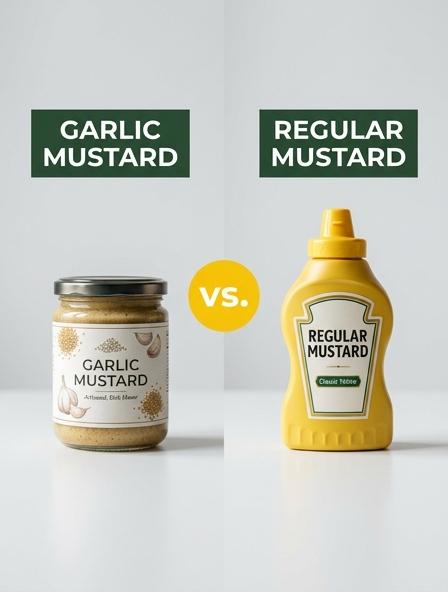
Flavor Profiles of Wild Greens and Seed Based Pastes
Understanding the culinary distinction between garlic mustard and traditional condiments involves comparing fresh foraged greens with processed seed pastes. Garlic mustard (Alliaria petiolata) is a wild invasive herb that provides a complex flavor profile, blending mild garlic notes with a nutty, peppery bitterness found in its leaves and flowers. Conversely, regular mustard is a condiment derived from ground Brassica seeds, mixed with vinegar and salt to create a sharp, acidic, and pungent heat.
- Garlic Mustard: Earthy, herbal, and pungent like garlic.
- Regular Mustard: Tangy, sharp, and concentrated spice.
While the wild green offers a vegetal freshness ideal for pestos and salads, the bottled paste provides the acidic structure needed to balance rich proteins. You might enjoy finely chopping fresh garlic mustard leaves into a vibrant spring pesto to add a unique, local forage-to-table flare to your next pasta night.
Nutritional Value of Foraged Herbs Versus Bottled Condiments
Comparing wild garlic mustard to commercial bottled mustard reveals a stark difference in nutrient density. Garlic mustard is a nutritional powerhouse, boasting high levels of Vitamin C, Vitamin A, and minerals like zinc and iron that are often diminished in industrial food processing. While bottled condiments provide convenience and shelf stability, they frequently contain added sodium and preservatives. In contrast, fresh foraged greens deliver raw, bioavailable antioxidants and phytochemicals.
- Garlic Mustard: Exceptionally high in Vitamins A, C, and E, plus heart-healthy omega-3 fatty acids.
- Bottled Mustard: Low in calories, but primarily offers selenium and manganese derived from processed seeds and vinegar.
You might enjoy finely chopping fresh garlic mustard into a spring pesto to capture its pungent, peppery bite while significantly boosting your meal's vitamin profile compared to using a standard store-bought condiment.
Consistency and Emulsification Properties in Sauces
The culinary performance of regular mustard versus garlic mustard depends significantly on their chemical composition. Commercial regular mustard, derived from Brassica seeds, contains high levels of complex polysaccharides and mucilage. These act as potent natural emulsifiers, bridging the gap between oil and vinegar to create stable, creamy textures in dressings and hollandaise.
- Regular Mustard: High mucilage content provides superior structural stability and a velvety mouthfeel.
- Garlic Mustard: Offers a rustic, herbaceous consistency; the leaves add fiber rather than emulsification, while the wild seeds have lower binding potency.
Because garlic mustard lacks the standardized thickening power of processed seeds, it is often treated as a flavoring agent rather than a structural binder. Professional chefs often whisk a spoonful of smooth Dijon into a lemon vinaigrette to ensure the sauce clings perfectly to delicate salad greens without separating on the plate.
Heat Stability of Fresh Leaves Versus Prepared Sauces
The culinary utility of garlic mustard versus regular mustard is primarily defined by their reaction to temperature. Garlic mustard leaves contain delicate sulfur compounds that are highly volatile; when exposed to high heat, the characteristic garlic-and-pepper flavor vanishes, often replaced by a lingering bitterness. In contrast, regular prepared mustard utilizes ground seeds and acidic stabilizers like vinegar or lemon juice, which help "lock in" the pungency of the isothiocyanates, allowing the sauce to better withstand warm applications.
- Garlic Mustard: Best used raw or added at the very end of cooking to preserve flavor.
- Regular Mustard Sauce: More resilient in glazes and stews, though extreme heat still reduces its sharpness.
- Enzymatic Activity: Myrosinase in fresh leaves denatures quickly, halting flavor development once heated.
You might enjoy folding freshly harvested garlic mustard into a chilled Greek yogurt dip, ensuring the wild, spicy kick remains vibrant for your guests.
Vitamin Density in Foraged Plants and Processed Varieties
When comparing garlic mustard (Alliaria petiolata) to traditional processed mustard, the nutritional profiles differ vastly. Garlic mustard is a wild powerhouse, containing significantly higher concentrations of Vitamin C and Vitamin A than most cultivated greens. Because it is consumed in its raw, foraged state, it retains bioavailable antioxidants that are often lost in the manufacturing of bottled condiments.
- Garlic Mustard: Exceptional levels of Vitamins A, C, and E, plus trace minerals like copper and iron.
- Regular Mustard: Processed from seeds; while rich in selenium and magnesium, it lacks the high-leafy vitamin density of wild plants.
The processing of regular mustard-involving heat, vinegar, and stabilizers-prioritizes shelf-life and flavor over raw micronutrient preservation. While a squeeze of yellow mustard adds a tangy zest to your hot dog, a wild-harvester might fold freshly chopped garlic mustard into a spring salad to maximize their intake of immune-boosting nutrients during a weekend camping trip.
Texture Variations Between Leafy Greens and Smooth Spreads
The distinction between garlic mustard and regular mustard begins with their physical forms. Garlic mustard (Alliaria petiolata) is a wild biennial herb. In its fresh state, it offers a crisp, leafy texture similar to spinach or kale, featuring fibrous stems and tender, serrated leaves. In contrast, regular mustard is a processed condiment crafted from ground mustard seeds, liquids, and spices.
- Garlic Mustard: Provides a natural, vegetal crunch that becomes tender and succulent when cooked.
- Regular Mustard: Characterized by a smooth, creamy, or stone-ground grainy consistency designed for spreading.
While the leafy green adds structural volume to dishes, the prepared spread acts as a viscous emulsifier. You might choose to toss raw garlic mustard leaves into a spring salad for a refreshing snap, whereas a smooth Dijon is your best bet for adding a velvety finish to a homemade vinaigrette.
Culinary Performance in Cold Dishes and Cooked Meals
Garlic mustard and regular mustard offer distinct flavor profiles depending on the preparation temperature. Garlic mustard, a wild herb, provides a sharp, nutty blend of garlic and mustard notes that shine in raw applications. In contrast, regular mustard-whether as seeds or cultivated greens-delivers a consistent, pungent heat that remains stable under high temperatures.
| Feature | Garlic Mustard | Regular Mustard |
|---|---|---|
| Cold Usage | Best in pestos and salads | Ideal for dressings and slaws |
| Heat Tolerance | Low; becomes bitter if overcooked | High; mellows into savory richness |
When heat is applied, garlic mustard's delicate aromatic compounds dissipate quickly. While regular mustard greens are perfect for long braising, garlic mustard is best added at the very end of a sauté to prevent a lingering bitterness. You might prefer finely chopping fresh garlic mustard into a zesty spring chimichurri to perfectly complement grilled meats with its unique, wild garlicky punch.
Sodium Levels in Store Bought Products Versus Wild Growth
When comparing nutritional profiles, sodium content is a major differentiator between commercial condiments and wild-foraged plants. Regular mustard found in grocery stores typically contains high levels of sodium, used both as a flavor enhancer and a preservative to extend shelf life.
| Mustard Type | Sodium Source | Average Level |
|---|---|---|
| Store-Bought Regular | Added Salts & Preservatives | High |
| Wild Garlic Mustard | Natural Soil Minerals | Minimal |
Wild garlic mustard offers a raw, pungent flavor profile without the chemical additives found in processed yellow or Dijon varieties. For those managing hypertension or heart health, foraged greens provide a cleaner alternative to sodium-heavy bottled sauces. You can toss freshly harvested garlic mustard leaves into a summer salad to enjoy a zesty, garlic-infused bite that satisfies your palate while keeping your salt intake in check.
Digestive Benefits of Raw Forage and Ground Seeds
Both garlic mustard forage and ground mustard seeds serve as potent digestive aids, though they function through different biological mechanisms. Raw garlic mustard leaves are prized for their high enzyme content and carminative properties, which help reduce bloating and stimulate bile flow. Meanwhile, ground mustard seeds contain concentrated compounds like myrosinase and selenium that kickstart the metabolic process.
- Raw Forage: Provides chlorophyll and prebiotic fibers to nourish beneficial gut bacteria.
- Ground Seeds: Stimulates gastric acid production, making heavy proteins easier to process.
Incorporating these natural bitters into your diet can significantly improve overall nutrient absorption. You might find that adding fresh-chopped garlic mustard to a spring salad or a teaspoon of stone-ground mustard to a rich roast prevents that heavy, post-meal lethargy many people experience after a dense Sunday lunch.
Seasonal Freshness Compared to Year Round Pantry Staples
The distinction between garlic mustard and regular mustard is rooted in their availability and culinary form. Garlic mustard (Alliaria petiolata) is a wild, invasive herb harvested primarily in early spring. Its tender leaves provide a fleeting, pungent flavor profile combining garlic and pepper. Conversely, regular mustard is a shelf-stable condiment made from ground Brassica seeds, vinegar, and spices, designed for year-round consistency and convenience.
- Garlic Mustard: Perishable, seasonal foraged green with a fresh, vitamin-rich profile.
- Regular Mustard: Processed pantry staple with a long shelf life and concentrated acidic heat.
While regular mustard serves as a reliable base for daily dressings, garlic mustard offers a unique, earthy zest that bottled goods cannot replicate. You can harvest these vibrant wild leaves in April to create a zesty spring pesto, bringing a complex, garlicky bite to your table that standard yellow mustard simply cannot provide.
Garlic Mustard vs Regular Mustard source and external links
- Garlic mustard is a highly invasive biennial herb that poses a significant threat to the biodiversity of native forest ecosystems. Garlic Mustard
- Regular mustard is a widely used condiment prepared from the pungent seeds of various mustard plant species mixed with water, vinegar, or other liquids. Regular Mustard