
Garlic Mustard vs Garlic Powder: Are They The Same? Wild Herbs, Flavor Complexity, and Cooking Performance
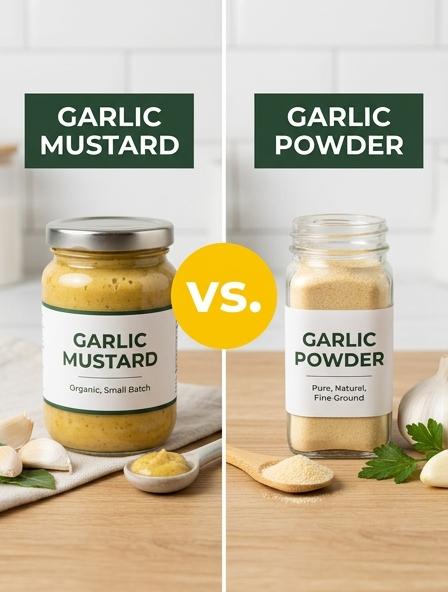
Comparing Fresh Wild Herbs and Dehydrated Pantry Spices in Daily Recipes
Deciding between garlic mustard and garlic powder involves balancing vibrant, wild flavors with pantry convenience. Garlic mustard (Alliaria petiolata) is a fresh forageable herb that delivers a complex fusion of nutty garlic and sharp mustard notes. Conversely, garlic powder offers a shelf-stable, concentrated essence of garlic cloves, stripped of moisture for consistent seasoning.
| Feature | Garlic Mustard | Garlic Powder |
|---|---|---|
| Profile | Herbal, peppery, bitter | Savory, pungent, sweet |
| Usage | Raw pestos and salads | Dry rubs and marinades |
You might prefer the zesty crunch of freshly harvested garlic mustard in a garden-to-table sandwich, whereas garlic powder remains the go-to for achieving a perfectly uniform flavor in a slow-cooked stew.
Nutritional Profiles of Foraged Greens and Concentrated Kitchen Seasonings
Understanding the difference between garlic mustard and garlic powder requires distinguishing between a raw, leafy vegetable and a dehydrated spice. Garlic mustard (Alliaria petiolata) is a wild green exceptionally high in Vitamins A, C, and E, providing essential fiber and chlorophyll often missing from dried alternatives. Conversely, garlic powder offers a concentrated mineral profile, particularly manganese and Vitamin B6, though it lacks the moisture and live phytonutrients found in fresh forage.
| Nutrient Category | Garlic Mustard (Fresh) | Garlic Powder (Dried) |
|---|---|---|
| Primary Benefits | High Fiber, Vitamin C | Manganese, Selenium |
| Caloric Density | Low (Leafy Green) | Moderate (Concentrated) |
Home cooks often prefer folding freshly chopped garlic mustard into a wild-crafted pesto for a vibrant, peppery flavor profile that elevates a simple pasta dish far beyond the capabilities of a standard spice rack.
Heat Sensitivity and Cooking Performance of Leafy Plants Versus Dry Powders
The culinary application of garlic mustard versus garlic powder depends heavily on thermal stability. Garlic mustard is a fresh biennial herb containing volatile oils and enzymes that degrade quickly when exposed to high temperatures, often leading to a loss of its characteristic pungency. In contrast, garlic powder consists of pulverized, dehydrated cloves where the flavor compounds are concentrated and significantly more resilient to heat.
- Garlic Mustard: High heat sensitivity; best added as a finishing touch or used in raw preparations.
- Garlic Powder: High heat tolerance; ideal for dry rubs, long-simmered sauces, and high-temperature roasting.
While the fresh greens offer a sharp, horseradish-like bite, the powder provides a consistent, savory depth. You might toss freshly chopped garlic mustard into a chilled pesto to preserve its vibrant zing, while relying on garlic powder for a seasoned flour dredge when pan-searing chicken to ensure the flavor survives the hot oil.
Health Impact of Raw Wild Forage Compared to Processed Pantry Staples
Comparing wild garlic mustard to garlic powder highlights the difference between "living" nutrition and shelf-stable convenience. Foraged garlic mustard is a powerhouse of Vitamin C, Vitamin A, and enzymes that are often degraded during the industrial dehydration used to create garlic powder.
- Garlic Mustard: Rich in glucosinolates and antioxidants; best consumed raw to maintain its enzyme activity.
- Garlic Powder: Concentrates certain minerals like manganese but loses volatile oils and heat-sensitive phytonutrients during processing.
While the powder offers a consistent flavor profile, the wild plant provides chlorophyll and trace minerals found in undisturbed forest soils. Opting for the raw forage ensures you receive the full spectrum of pungent compounds that support cardiovascular health and immune function, which are significantly diminished in processed alternatives.
You might enjoy finely chopping freshly foraged garlic mustard into a wild-crafted pesto to experience a complex, peppery vitality that no pantry spice can provide.
Texture and Mouthfeel Differences in Sauces and Main Dishes
The choice between garlic mustard and garlic powder significantly impacts a dish's final consistency. Garlic mustard is a wet condiment that acts as a powerful emulsifier, providing a creamy, viscous body to sauces and marinades. Because it contains vinegar and mustard solids, it adds physical weight and a silkier mouthfeel. In contrast, garlic powder is a dehydrated, pulverized spice that integrates into liquids without changing their volume, ensuring a smooth, thin profile.
- Garlic Mustard: Adds thickness, binds oil and vinegar, and creates a clingy coating.
- Garlic Powder: Offers uniform flavor distribution and maintains the original liquidity of the base.
In main dishes, the mustard version provides a moist barrier that prevents proteins from drying out, whereas the powder is better for dry rubs. You might prefer whisking zesty garlic mustard into a steak pan sauce to create a rich, velvety emulsion that clings perfectly to the meat.
Flavor Complexity of Pungent Garden Leaves Versus Granulated Seasoning
Understanding the sensory differences between garlic mustard and garlic powder is essential for culinary precision. Garlic mustard, a wild biennial herb, offers a complex profile that blends a sharp mustard heat with a subtle garlic aroma and an earthy, slightly bitter finish. In contrast, garlic powder provides a concentrated, consistent umami warmth derived from dehydrated cloves, lacking the peppery "green" notes of the fresh plant.
| Attribute | Garlic Mustard (Leaves) | Garlic Powder (Granulated) |
|---|---|---|
| Primary Taste | Piquant, peppery, bitter | Savory, sweet, pungent |
| Culinary Use | Fresh infusions, garnishes | Dry rubs, long-simmered stews |
Home cooks love tossing freshly foraged garlic mustard into a spring pesto to achieve a wild, peppery zing that store-bought powder simply cannot replicate.
Sodium Levels and Preservatives in Commercial Spices Versus Wild Harvests
When comparing garlic powder to wild garlic mustard, the primary distinction lies in processing and purity. Commercial garlic powder is often dehydrated at high temperatures and may include anti-caking agents like silicon dioxide to prevent clumping. While convenient, some spice blends also contain hidden sodium to enhance flavor shelf-life. In contrast, wild-harvested garlic mustard is a raw, nutrient-dense plant that is naturally sodium-free and devoid of synthetic preservatives.
- Garlic Powder: Shelf-stable, but may contain flow agents and trace additives.
- Garlic Mustard: 100% organic, providing high levels of Vitamin C and minerals without chemical intervention.
Home chefs love finely chopping fresh garlic mustard leaves into a zesty compound butter, providing a sharp, garlicky bite to toasted sourdough without the extra salt found in pre-packaged garlic seasonings.
Aroma Development and Kitchen Scent During the Sautéing Process
Sautéing transforms the chemical profile of garlic mustard and garlic powder through distinct aromatic releases. Garlic mustard, a wild herb, offers a delicate, "green" garlic scent that peaks early but can dissipate under high heat. Conversely, garlic powder provides a consistent, savory depth that permeates the kitchen air as it rehydrates in hot fats.
| Feature | Garlic Mustard (Fresh) | Garlic Powder (Dehydrated) |
|---|---|---|
| Aroma Profile | Herbaceous & Peppery | Intense & Pungent |
| Scent Longevity | Fleeting; heat-sensitive | Stable; lingers longer |
Home cooks often prefer the way garlic powder builds a reliable base, whereas adventurous foragers love the moment fresh garlic mustard hits a warm pan of olive oil, releasing a fleeting, wild fragrance that signals a truly seasonal meal.
Shelf Life and Potency of Garden Harvests Versus Shelf Stable Essentials
Understanding the transition from garden to pantry is essential for flavor management. Garlic mustard, a wild-foraged herb, offers a vibrant, pungent profile that peaks immediately after harvest. However, its volatile oils degrade quickly, meaning its shelf life is limited to a few days in the refrigerator. In contrast, garlic powder is a processed staple designed for longevity, maintaining its concentrated flavor for years if kept in a cool, dark place.
| Feature | Garlic Mustard (Fresh) | Garlic Powder (Dried) |
|---|---|---|
| Shelf Life | 3–5 Days | 1–2 Years |
| Flavor Profile | Peppery & Sharp | Earthy & Concentrated |
While garlic powder provides convenience for daily seasoning, the fleeting potency of garlic mustard rewards the seasonal cook. Imagine whisking a handful of freshly foraged garlic mustard into a spring vinaigrette to achieve a wild, complex bite that a standard pantry spice simply cannot mimic.
Digestion and Nutrient Absorption in Fresh Versus Dried Pungent Greens
The choice between fresh garlic mustard and garlic powder significantly impacts nutrient bioavailability and digestive efficiency. Fresh garlic mustard is rich in live enzymes, such as myrosinase, and provides dietary fiber that stimulates gut motility. In contrast, garlic powder offers a concentrated source of organosulfur compounds but lacks the hydration and raw enzymes found in the living plant.
- Fresh Greens: High in Vitamin C and active enzymes that assist in breaking down complex fats.
- Dried Powder: Provides consistent mineral density but may lose heat-sensitive antioxidants during processing.
- Absorption: The fiber in fresh leaves slows glucose absorption, while powders provide rapid access to concentrated phytochemicals.
Effective digestion relies on the mechanical breakdown of fresh leaves to release health-promoting compounds. You might enjoy finely chopping fresh garlic mustard for a zesty, enzyme-rich spring salad, or simply sprinkling the powder into a simmering stew for a convenient, flavorful nutrient boost that fits your busy lifestyle.
Garlic Mustard vs Garlic Powder source and external links
- Garlic Mustard is an invasive biennial herb that poses a significant threat to native biodiversity in North American woodlands.
- Garlic Powder is a common culinary spice made from dehydrated, finely ground garlic cloves used to provide flavor without the texture of fresh garlic.