
Garlic Flakes vs Fresh Garlic: Comparing Flavor, Nutrition, and Culinary Application Differences
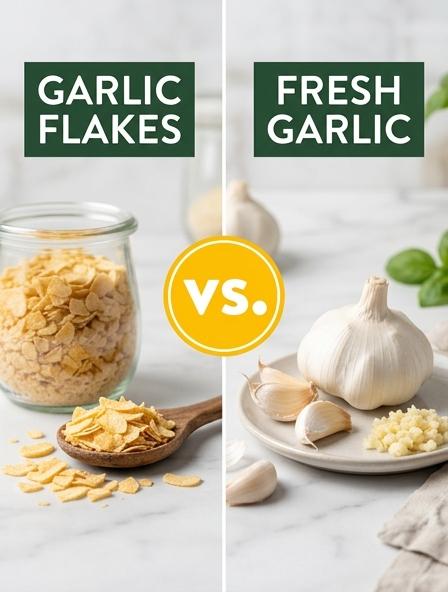
Comparing Flavor Concentration in Dehydrated and Raw Alliums
Choosing between garlic flakes and fresh garlic depends on the desired intensity and texture of your dish. Fresh garlic is prized for its pungent aroma and sharp "bite," caused by active sulfur compounds like allicin. In contrast, garlic flakes undergo a dehydration process that concentrates their natural sugars, resulting in a mellow, toasted flavor profile that integrates seamlessly into liquid-based recipes.
- Potency: Use approximately 1/2 teaspoon of flakes to substitute for one medium fresh clove.
- Rehydration: Flakes require moisture to bloom, making them ideal for slow-cooker meals, soups, and sauces.
- Stability: Dehydrated alliums offer a significantly longer shelf life and better heat resistance during long cooking cycles.
Busy home cooks often prefer tossing a handful of flakes into a slow-simmering beef stew to achieve a consistent, savory warmth without the tedious prep work of peeling and mincing fresh bulbs.
Vitamin Retention and Health Benefits in Various Culinary States
The nutritional profile of garlic shifts significantly based on its preparation. Fresh garlic is the superior source of allicin, the compound responsible for its antibacterial and heart-health benefits. To maximize these effects, fresh cloves must be crushed and rested for ten minutes before heating. In contrast, garlic flakes undergo a dehydration process that reduces heat-sensitive vitamins like Vitamin C and B6, though they retain a concentrated mineral profile including manganese and phosphorus.
- Fresh Garlic: Highest antioxidant activity and volatile oils.
- Garlic Flakes: Lower potency but provides consistent flavor and fiber.
- Bioavailability: Fresh garlic is best for raw applications; flakes excel in moisture-rich, slow-cook environments.
Fitness enthusiasts often crush fresh cloves into a raw vinaigrette for a potent immune boost, whereas home chefs love tossing a handful of flakes into a simmering marinara sauce for effortless, savory depth.
Structural Changes and Texture Impact in Cooked Applications
The choice between garlic flakes and fresh garlic fundamentally alters a dish's mouthfeel. Fresh garlic contains moisture and fibrous cell walls that undergo significant transformation; when sautéed, it transitions from a crisp bite to a tender, buttery consistency. Conversely, garlic flakes are dehydrated, possessing a brittle structure that requires liquid to rehydrate.
Key differences in structural performance include:
- Fresh: Offers textural variety, from crunchy fried slivers to soft, caramelized pastes.
- Flakes: Provide a uniform, slightly chewy density that softens but rarely dissolves.
While fresh cloves are essential for the structural integrity of a stir-fry, many chefs reach for garlic flakes when simmering a smooth herb vinaigrette or a long-cooked beef stew to ensure a consistent, subtle texture throughout the sauce.
Potency Maintenance and Storage Life for the Home Pantry
Choosing between fresh garlic and flakes often comes down to the balance of immediate pungency versus long-term convenience. Fresh garlic bulbs offer the peak of aromatic intensity but have a limited shelf life, typically lasting only a few months before sprouting or softening. In contrast, garlic flakes are processed to remove moisture, significantly extending their pantry life while maintaining a consistent flavor profile.
- Fresh Garlic: High potency; lasts 4–8 weeks in a cool, dark place.
- Garlic Flakes: Moderate, stable potency; shelf-stable for up to 24 months.
- Maintenance: Fresh cloves require airflow to prevent mold, whereas flakes simply need an airtight seal.
While fresh garlic is incomparable for quick sautés, dehydrated flakes are the superior choice for stocking a survival pantry or for those who cook infrequently. Busy parents love tossing a handful of garlic flakes into a slow-cooking marinara sauce to achieve a rich, savory depth without the time-consuming task of peeling and mincing fresh cloves.
Gastrointestinal Sensitivity to Concentrated and Whole Forms
Choosing between garlic flakes and fresh cloves often depends on digestive tolerance. Fresh garlic is rich in fructans and allicin; while beneficial, these compounds can trigger bloating, gas, or acid reflux in individuals with sensitive gastrointestinal tracts or IBS. Garlic flakes are a dehydrated, concentrated form of the bulb, meaning the fiber and sugar content are more dense per gram.
- Fresh Garlic: Contains active enzymes and high moisture, which can cause sharp, immediate stomach irritation when consumed raw.
- Garlic Flakes: The drying process removes water but leaves fructans intact, potentially causing delayed fermentation issues if used excessively.
Because the heat-intensive dehydration process can mellow certain volatile oils, many people find that stirring a tablespoon of garlic flakes into a long-simmering marinara sauce provides a savory depth without the intense digestive "bite" associated with raw, crushed cloves.
Thermal Stability and Charring Risks in High Heat Cooking
Understanding thermal stability is essential for flavor preservation. Fresh garlic contains natural sugars and high moisture, making it highly susceptible to rapid charring. Once fresh garlic turns dark brown, it develops an acrid, bitter profile that can ruin a dish. Conversely, garlic flakes are dehydrated, offering a more stable heat response in specific environments. While they can scorch if hit with direct, dry heat, they excel in high-heat applications involving liquids or heavy fats where they rehydrate while cooking.
| Property | Fresh Garlic | Garlic Flakes |
|---|---|---|
| Burn Risk | High (Instantaneous) | Moderate (Delayed) |
| Heat Application | Quick Flash Frying | Sustained High Heat |
You may find that garlic flakes are the secret to a perfectly golden crust on a long-roasted prime rib, whereas fresh cloves are indispensable for that quick, aromatic sizzle in a hot stir-fry wok.
Fluid Interaction and Consistency Effects in Liquid Bases
Fresh garlic and garlic flakes behave differently when introduced to liquid environments. Fresh cloves contain natural moisture and oils, releasing their volatile compounds immediately upon contact with heat. Conversely, garlic flakes are dehydrated and act as hygroscopic agents, absorbing liquid from the surrounding base to rehydrate. This absorption can subtly alter the viscosity of thin sauces or broths.
- Fresh Garlic: Contributes moisture and maintains a fibrous structure that softens but does not dissolve.
- Garlic Flakes: Require time to swell, resulting in a more uniform flavor distribution without the textural "crunch" of fresh bits.
The rehydration process ensures that the garlic flavor permeates the entire liquid base rather than staying concentrated in specific areas. You might reach for garlic flakes when preparing a smooth, slow-simmered tomato sauce to achieve a consistent, mellow aroma without the risk of burnt bits or uneven texture found with fresh mincing.
Cost Efficiency and Preparation Speed for Family Dinners
When preparing daily family meals, the choice between garlic flakes and fresh cloves hinges on balancing labor against value. Fresh garlic is typically cheaper per unit at the grocery store but carries a "time cost" due to peeling and mincing. Garlic flakes, while slightly more expensive upfront, offer a concentrated flavor and an extended shelf life that virtually eliminates food waste.
- Fresh Garlic: Superior aromatic oils; requires roughly 5 minutes of prep per meal.
- Garlic Flakes: Instant application; one teaspoon roughly equals one fresh clove.
From a cost-efficiency standpoint, flakes reduce the need for frequent shopping trips and specialized kitchen tools. Busy parents often prefer reaching for a jar of garlic flakes to instantly season a large pot of Sunday chili, ensuring a deep savory flavor without the hassle of sticky hands or time-consuming chopping boards.
Utility in Dry Rubs Versus Oil Based Infusions
Choosing between garlic flakes and fresh cloves depends primarily on your cooking medium's moisture levels. Garlic flakes are the ideal candidate for dry rubs because they provide a concentrated savory punch without introducing humidity, ensuring the spice blend remains free-flowing and shelf-stable. In contrast, fresh garlic is unmatched for oil-based infusions, where lipids effectively extract the pungent sulfur compounds and essential oils from the raw plant cells.
- Dry Rubs: Dehydrated flakes prevent clumping and withstand high-heat searing without burning as quickly as fresh mince.
- Oil Infusions: Fresh cloves offer superior aromatic depth and a "bright" flavor profile that dehydrated versions cannot replicate.
A seasoned pitmaster will reach for coarse garlic flakes to build a resilient, flavorful crust on a smoked brisket, whereas a gourmet cook chooses smashed fresh cloves to craft a luxurious, aromatic dipping oil for warm focaccia.
Visual Differences and Presentation in Finished Recipes
The choice between fresh garlic and garlic flakes significantly alters the final aesthetic of a dish. Fresh garlic provides a rustic, artisanal appearance; whether minced, sliced, or crushed, it retains a bright white to translucent quality that can be caramelized to a rich golden brown. Conversely, garlic flakes offer a more uniform, subtle presence. These dehydrated bits typically possess a toasted beige hue and rehydrate into soft, less defined flecks that integrate into the background of a recipe.
- Fresh Garlic: Prominent texture, varied shapes, and high-contrast color.
- Garlic Flakes: Consistent sizing, muted tones, and a blended visual profile.
You might choose the distinct, hand-cut look of fresh cloves for a vibrant pasta aglio e olio, while many home cooks prefer the way garlic flakes provide a sophisticated, speckled finish to a slow-simmered herb vinaigrette.
Garlic Flakes vs Fresh Garlic source and external links
- Garlic flakes are dehydrated bits of garlic that provide a convenient, shelf-stable way to add a concentrated savory flavor to soups, stews, and dry rubs.
- Valued for its pungent aroma and crisp texture, fresh garlic is a versatile staple in global cuisine that offers the most intense flavor and potential health benefits when crushed or minced.