
Fuji Apple vs Red Apple: Which is Best for Baking Stability, Nutritional Density, and Juice Volume?
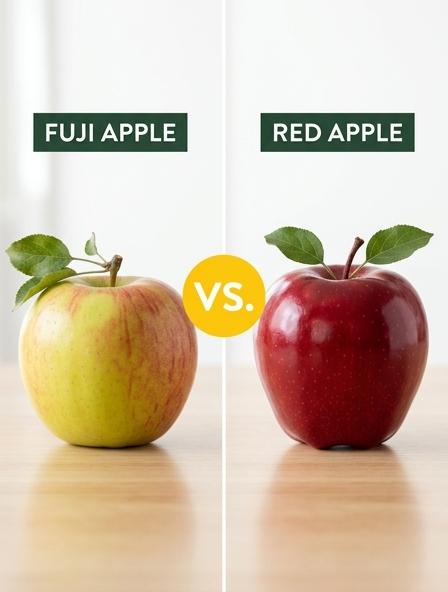
Sugar content and flavor balance in high heat baking
When selecting apples for high-heat baking, the Fuji outperforms standard red varieties through its superior sugar concentration and cellular density. While generic red apples often turn mealy under thermal stress, the Fuji's high brix levels facilitate deep caramelization, ensuring a complex flavor profile that survives the oven's intensity.
| Apple Variety | Sugar Level | Baking Texture |
|---|---|---|
| Fuji | Very High | Firm / Caramelized |
| Red Apple | Moderate | Soft / Mealy |
The natural balance of acidity and sweetness in a Fuji prevents the final dish from becoming cloying, a common issue when heat concentrates fruit sugars. You might choose the Fuji for a deep-dish tarte tatin where you need every slice to stay firm and syrupy amidst the bubbling caramel.
Cellular density and texture stability in cooked applications
The culinary performance of Fuji apples versus standard Red Delicious varieties is primarily dictated by cellular density. Fuji apples feature a compact parenchyma cell structure with minimal intercellular air space. This high density ensures that the fruit maintains its structural integrity and firm bite even under prolonged thermal exposure. Conversely, typical Red apples possess thinner cell walls that collapse quickly when heated, resulting in a mealy or disintegrated texture.
- Fuji Apple: High cellular density; excels in baking and sautéing.
- Red Apple: Lower cellular density; prone to becoming mushy when cooked.
This difference in stability is why Fujis are favored for high-heat applications, as their pectin bonds remain more resilient than those in softer red cultivars. You might choose sliced Fujis for a festive apple galette to ensure every wedge remains distinct and firm rather than melting into a sauce.
Oxidation speed and visual appeal in meal preparation
Oxidation speed is a critical factor in culinary aesthetics. Fuji apples are renowned for their slow browning process due to a dense cellular structure and specific phenolic compositions. Unlike many standard Red Delicious varieties, which can turn brown and soft within minutes of being sliced, the Fuji maintains its bright, white flesh for an extended period.
- Fuji Apple: High resistance to enzymatic browning; remains crisp and visually fresh for hours.
- Red Delicious: Rapid oxidation; often develops a mealy texture and discolored surface shortly after air exposure.
This difference in chemical stability makes the Fuji the preferred option for chefs and home cooks who prioritize long-lasting visual appeal in cold dishes. You will find that Fuji slices are the perfect addition to an afternoon charcuterie board because they maintain their appetizing glow and crunch long after the first guest arrives.
Micronutrient profiles and antioxidant health benefits
Comparing Fuji apples with traditional red varieties reveals significant overlap in essential vitamins, yet their antioxidant concentrations vary. Both are excellent sources of Vitamin C and dietary fiber, but their phytonutrient density differs according to skin color and flesh firmness.
- Fuji Apples: Notable for high flavonoid content, which aids in reducing systemic inflammation.
- Red Delicious: Packed with anthocyanins in their deep red skins, offering potent protection against oxidative stress.
- Micronutrient Synergy: Both provide potassium and pectin, promoting heart health and digestive regularity.
While Fuji apples possess a higher natural sugar profile, their polyphenol bioavailability is exceptional for maintaining cellular integrity. Fitness enthusiasts often prefer slicing a crisp Fuji apple into their afternoon kale salad to balance bitter greens with a sweet, antioxidant-rich crunch.
Water content and juice volume for fresh extraction
When comparing Fuji apples to standard Red Delicious varieties, the Fuji is the clear winner for liquid yield. Fuji apples are prized for their high water content and dense cellular structure, which results in a significantly higher juice-to-pulp ratio. While many red apples can become mealy or soft, Fuji apples remain crisp and hydrated, ensuring a more efficient extraction process.
| Apple Variety | Water Content | Juice Yield |
|---|---|---|
| Fuji | Very High | Excellent |
| Red Delicious | Moderate | Average |
The superior moisture levels in Fuji apples produce a clear, naturally sweet liquid that requires less fruit to fill a glass. Health enthusiasts often choose the Fuji for their morning green juice because it provides a voluminous, refreshing base that perfectly balances bitter leafy greens.
Peel toughness and digestive ease in raw consumption
The structural integrity of an apple's skin significantly influences both palatability and digestive comfort. Fuji apples are renowned for their thin, tender peels that break down easily during mastication, offering a seamless transition to the crisp flesh beneath. In contrast, many traditional red varieties, such as the Red Delicious, possess a notably thicker, more leathery skin. This toughness can result in a fibrous residue that some find difficult to chew or digest in its raw state.
- Fuji: Fine-textured skin with low cellulose density, enhancing digestive ease.
- Red Delicious: Dense, waxy epidermis that may require peeling for those with sensitive stomachs.
Because the Fuji's skin is less intrusive, it provides the nutritional benefits of fiber without the gastrointestinal heavy-lifting often associated with tougher-skinned fruit. You might find a Fuji apple the perfect choice for a quick, unpeeled lunchbox snack when you want a refreshing crunch that won't leave you feeling bloated.
Pectin concentration for natural thickening of preserves
When crafting homemade preserves, the pectin concentration within your fruit choice determines the final texture. Fuji apples are often superior to generic red apple varieties because their dense cellular structure provides a higher concentration of natural pectin. This structural integrity allows for a firm, gel-like consistency without the need for artificial thickeners.
| Apple Variety | Pectin Level | Preserve Consistency |
|---|---|---|
| Fuji Apple | High | Thick and stable |
| Red Delicious | Moderate/Low | Soft and saucy |
By opting for the crisp Fuji variety over standard red apples, you can ensure your artisanal spreads achieve that professional, rich thickness that people love on fresh sourdough bread.
Long term storage impact on crispness and nutrients
When comparing Fuji apples to standard Red Delicious varieties, storage resilience is a primary differentiator. Fuji apples possess a dense cellular structure and high sugar concentration, which help preserve their signature snap for up to twelve months under professional refrigeration. Conversely, many red varieties are prone to mealiness as their cell walls break down more rapidly during the off-season.
- Fuji: Retains moisture and firmness significantly longer in cold storage.
- Red Delicious: Experiences faster texture degradation and flavor loss over time.
While both cultivars see a gradual reduction in Vitamin C and phytonutrients during prolonged dormancy, cold storage effectively slows this depletion. However, the Fuji's physical ability to stay sweet and crunchy makes it the superior choice for bulk buying and late-season consumption. You might prefer reaching for a Fuji in late spring when you crave that fresh-picked crunch that other red apples simply cannot maintain after months in the cellar.
Volatile aromatic release during slow simmering processes
The chemical transformation of apples during simmering depends heavily on cellular density and sugar-to-acid ratios. Fuji apples, known for their dense flesh and high brix levels, release volatile organic compounds (VOCs) such as esters and alcohols at a controlled, steady rate. This slow degradation of cell walls ensures that the signature honey-like aroma persists even after hours of heating. In contrast, standard Red Delicious apples have a softer texture, leading to a rapid but short-lived burst of aromatics that can fade into a generic sweetness as the fruit loses its structural integrity.
- Fuji Apple: High thermal stability; maintains floral and pear-like aromatic notes during long-duration cooking.
- Red Apple: Faster aromatic peak; ideal for quick infusions but prone to losing complexity under sustained heat.
Home cooks prefer using sliced Fuji apples in slow-simmered stovetop potpourri or mulled ciders to keep their living spaces smelling like sweet, spiced orchards for the entire evening.
Total calories and fiber density for family nutrition
When selecting fruit for family wellness, understanding the nutritional profile of Fuji versus standard Red apples is essential. While both offer significant health benefits, their caloric density and sugar content vary slightly. Fuji apples are prized for their sweetness, typically containing about 95-100 calories per medium fruit. In contrast, a traditional Red Delicious apple averages around 80-90 calories.
| Nutrient (Medium Apple) | Fuji Apple | Red Delicious |
|---|---|---|
| Approximate Calories | 95 kcal | 80 kcal |
| Dietary Fiber | 4.5g | 4.0g |
Both varieties provide high fiber density, supporting heart health and steady energy levels. You might prefer the crisp, sugary crunch of a Fuji in your child's lunchbox to ensure they actually finish their healthy snack, while choosing the softer Red Delicious for a classic, budget-friendly afternoon treat.
Fuji Apple vs Red Apple source and external links
- The Fuji apple is a large, crisp, and exceptionally sweet hybrid variety that was originally developed by growers in Japan. Fuji apple
- Characterized by its iconic heart shape and deep crimson skin, the Red Delicious is one of the most widely recognized apple varieties in the world. Red apple