
Fruit Yogurt vs Yogurt: Comparing Nutritional Profiles, Culinary Performance, and Sugar Content Differences
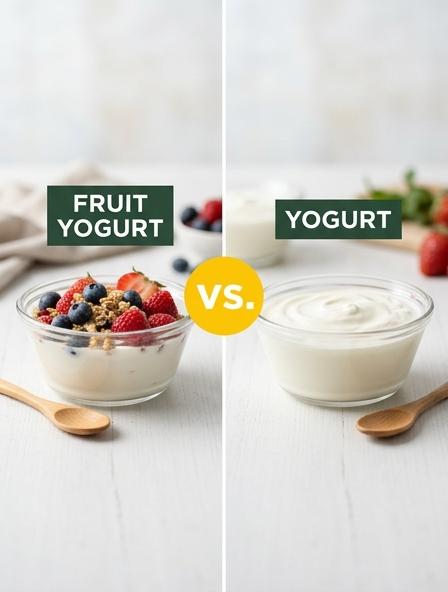
Caloric density of flavored dairy versus plain varieties
The primary distinction in caloric density between fruit-flavored and plain yogurt stems from added sugars and fruit concentrates. Plain yogurt typically maintains a lower energy density because its caloric profile is limited to the naturally occurring lactose, proteins, and fats found in milk. This makes it a nutrient-dense option for those monitoring energy intake.
In contrast, fruit-flavored varieties often incorporate sucrose, high-fructose corn syrup, or thick fruit purees to enhance palatability. These additives significantly increase the total calories per serving. Key factors affecting this density include:
- Refined Sweeteners: Sugars added to fruit bases spike the glycemic load.
- Fruit Preparations: Syrups used in "fruit-on-the-bottom" styles add calories without the fiber of whole fruit.
- Volume Displacement: Added syrups often replace protein-rich dairy solids.
You might prefer whisking fresh, sliced strawberries into a bowl of plain Greek yogurt to enjoy a naturally sweet breakfast while avoiding the hidden caloric surge of pre-packaged flavored brands.
Impact on texture in pastry and cake recipes
The choice between plain and fruit yogurt fundamentally alters the structural integrity of baked goods. Plain yogurt is a reliable tenderizer; its natural acidity reacts efficiently with leavening agents like baking soda to produce a light, airy crumb. In contrast, fruit yogurt introduces complex variables that can disrupt the chemical balance of a batter.
- Moisture Control: Fruit chunks release additional water during baking, which may result in localized "wet spots" or a gummy interior.
- Sugar Interaction: Higher sugar concentrations in fruit varieties can cause cakes to brown too quickly or create a sticky, dense texture.
- Structural Stability: The stabilizers often found in flavored yogurts can interfere with gluten development, leading to a more fragile bake.
You might enjoy folding a thick, blended strawberry yogurt into a simple loaf cake to achieve a marbled, moist interior that people love for its unexpected bursts of sweetness and soft, pudding-like mouthfeel.
Tenderizing Capacity of Unflavored Bases in Marinades
When selecting a marinade base, the distinction between plain yogurt and fruit-flavored varieties is critical for protein texture. Unflavored yogurt contains lactic acid and live active cultures that effectively break down tough muscle fibers and collagen. In contrast, fruit yogurts often contain added sugars and pectins that can hinder the tenderizing process and lead to premature charring during cooking.
| Yogurt Type | Active Component | Proteolysis Level |
|---|---|---|
| Unflavored/Plain | Lactic Acid | Optimal |
| Fruit-Flavored | Sucrose/Pectin | Suboptimal |
You can achieve a restaurant-quality finish by marinating chicken thighs in a plain, full-fat yogurt base overnight to ensure a succulent, tender bite that fruit-filled options simply cannot replicate.
Sugar concentration in pre-packaged and natural selections
Comparing the nutritional profiles of plain and fruit-flavored yogurts reveals a stark disparity in sugar density. Natural yogurt contains only lactose-the sugar naturally occurring in dairy-typically ranging from 4 to 6 grams per 100g. Conversely, pre-packaged fruit varieties often include "fruit preparations" that are heavily processed with added sucrose or high-fructose corn syrup.
| Yogurt Type | Average Sugar (per 100g) |
|---|---|
| Natural / Plain | 5g (Lactose only) |
| Pre-packaged Fruit | 12g - 18g (Added sugars) |
This added sugar significantly increases the caloric density and glycemic load of the snack. While the fruit imagery on the packaging implies health, the industrial processing often removes fiber while retaining concentrated syrups. You might prefer stirring a handful of fresh raspberries and a small dash of cinnamon into plain Greek yogurt to achieve a vibrant flavor without the insulin spike caused by commercial alternatives.
Consistency changes in homemade creamy dressings
When crafting homemade dressings, the choice between fruit yogurt and plain yogurt significantly impacts the final viscosity. Plain yogurt, especially Greek varieties, provides a stable, emulsified base ideal for achieving a thick, velvet-like texture. In contrast, fruit yogurt contains added sugars, syrups, and fruit particulates that can break down the protein structure, leading to a thinner or grainy consistency.
- Plain Yogurt: Maintains a smooth, cohesive emulsion when whisked with oils and acids.
- Fruit Yogurt: Often results in a sweeter, runnier dressing due to syneresis and pectin additives.
The high moisture content and flavorings in fruit-based options may cause the dressing to separate more quickly than traditional plain bases. You might find that using plain Greek yogurt ensures your garlic-chive dressing clings perfectly to crisp garden greens without thinning out or becoming overly sweet.
Nutrition of Processed Additives versus Whole Additions
The nutritional profile of yogurt changes significantly when comparing pre-mixed fruit varieties to plain yogurt with fresh additions. Commercial fruit yogurts often utilize fruit "preparations"-mixtures containing high-fructose corn syrup, modified starches, and artificial dyes to mimic the appearance of real fruit. These additives increase the caloric density and glycemic load without adding satiety.
- Processed Additives: Refined sugars, thickeners (pectin/starch), and synthetic flavorings.
- Whole Additions: Intact dietary fiber, bioavailable vitamins, and natural antioxidants.
By choosing whole additions, you maintain the probiotic integrity of the yogurt while benefiting from the slow-digesting fibers found in fruit skins. You might find that stirring sliced strawberries and a handful of almonds into plain Greek yogurt provides a more satisfying, nutrient-dense breakfast that fuels your busy morning much better than a sugary, processed alternative.
Acidity levels in savory culinary applications
In savory cooking, the chemical profile of yogurt is crucial for achieving the desired flavor balance and texture. Plain yogurt is characterized by a high concentration of lactic acid, typically maintaining a pH between 4.0 and 4.6. This acidity is essential for denaturing proteins in meat marinades and providing a clean, tart finish to sauces. In contrast, fruit yogurts contain added sugars, fruit acids, and stabilizers that significantly alter the pH and mask the natural tang.
- Plain Yogurt: High acidity facilitates meat tenderization and balances heavy spices.
- Fruit Yogurt: Sugars can cause unwanted caramelization or scorching in high-heat savory applications.
- Culinary Impact: Acidic plain yogurt emulsifies better in warm dressings than sweetened varieties.
Home cooks often choose a spoonful of unflavored Greek yogurt to garnish a spicy lentil dhal, valuing how its sharp acidity cuts through the earthy cumin and heat better than any sugary substitute.
Protein Counts in Distinct Production Methods
The protein density in yogurt is primarily dictated by the filtration and concentration techniques used during manufacturing. Standard yogurt retains its liquid whey, resulting in a moderate protein profile. In contrast, Greek-style yogurt undergoes an intensive straining process to remove the whey, which concentrates the remaining milk solids and significantly boosts the protein per gram.
When comparing plain varieties to fruit-based options, the production method often involves adding fruit preparations or syrups after fermentation. This can displace the dairy volume, potentially lowering the overall protein percentage compared to concentrated plain versions.
| Production Method | Protein Impact |
|---|---|
| Strained (Greek) | High Concentration |
| Unstrained (Traditional) | Moderate Balance |
| Fruit-Infused | Diluted Density |
Many athletes prefer purchasing high-protein plain Greek yogurt and adding their own fresh blueberries to maintain a superior protein-to-sugar ratio for post-workout recovery.
Stabilizer Performance in High-Temperature Cooking
When comparing fruit yogurt to plain yogurt in the kitchen, the presence of stabilizers significantly dictates how the product reacts to heat. Plain yogurt, especially low-fat versions, often lacks the structural integrity to withstand boiling, frequently resulting in curdling or syneresis. In contrast, many fruit yogurts contain added hydrocolloids like pectin or modified food starch to maintain fruit suspension.
These stabilizers offer a protective buffering effect during high-temperature cooking, as shown below:
| Yogurt Type | Common Stabilizers | Heat Reaction |
|---|---|---|
| Plain Yogurt | None or Gelatin | High risk of separation |
| Fruit Yogurt | Pectin, Starch, Guar Gum | Higher thermal resistance |
The stabilizers in fruit-based varieties bind water more effectively, preventing the protein network from collapsing under thermal stress. Home cooks often prefer whisking a stabilized yogurt into a warm curry or sauce to achieve that velvety, lump-free finish that makes a dish truly restaurant-quality.
Budget Efficiency of Flavored versus Bulk Options
Analyzing the unit price of dairy products reveals that bulk containers of plain yogurt offer significantly better budget efficiency than pre-mixed fruit cups. Individual flavored servings often include a "convenience tax," covering the costs of specialized packaging and processed fruit additives. By opting for a large tub, consumers pay for the core product rather than marketing and single-use plastics.
- Bulk Plain Yogurt: Lowest price per ounce, versatile for cooking, and reduced packaging waste.
- Flavored Cups: Higher cost per serving, fixed sugar content, and premium pricing for portability.
Strategic shoppers prioritize the 32-ounce plain containers to maximize their grocery dollar, allowing for customization with pantry staples. For a busy meal-prepper, portioning bulk Greek yogurt into reusable jars with a handful of frozen blueberries provides a high-protein breakfast that costs nearly 40% less than buying a week's worth of name-brand fruit-on-the-bottom cups.
Fruit Yogurt vs Yogurt source and external links
- Fruit yogurt is a popular dairy snack that combines creamy fermented milk with various fruit pieces or purees for a naturally sweet flavor.
- Produced by the bacterial fermentation of milk, yogurt is a nutrient-dense food prized for its high protein content and beneficial probiotics.