
Fruit Yogurt vs Liquid Yogurt: Comparing Nutritional Density, Structural Stability, and Culinary Performance Differences.
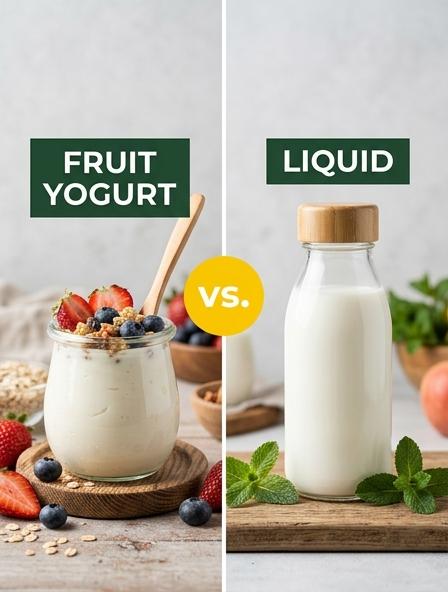
When choosing between fruit yogurt and liquid yogurt, you aren't just picking a flavor-you're selecting a specific profile of nutritional density and structural stability. Traditional fruit yogurt offers a thicker, spoonable consistency that provides greater satiety and holds its form perfectly in layered parfaits. Conversely, liquid yogurt shines in culinary performance where viscosity is key, making it the superior choice for rapid hydration and smooth blending. While fruit-infused varieties often boast higher solids and concentrated fiber, drinkable versions prioritize accessibility and light digestion. Understanding these structural differences helps you optimize your diet and elevate your recipes with the perfect dairy base.
Moisture retention differences in baked goods using thick versus fluid dairy
The viscosity of your dairy source directly impacts the crumb's longevity and hydration levels. While liquid milk provides immediate hydration to flour proteins, its high water activity leads to rapid evaporation during baking. In contrast, thick fruit yogurt contains a higher concentration of solids and fats that trap moisture within the protein matrix.
- Liquid Dairy: High water content facilitates steam leavening but results in a shorter shelf life as moisture escapes the crust.
- Thick Yogurt: Its acidic nature tenderizes gluten while the dense consistency slows down the retrogradation of starches.
This structural difference means that recipes utilizing yogurt maintain a soft, "fudgy" interior compared to the airier, drier texture of milk-based cakes. Home bakers often reach for a thick peach yogurt when making weekend Bundt cakes to ensure the sponge stays perfectly moist and succulent for days after coming out of the oven.
Comparison of protein density between spoonable flavored blends and drinkable cultures
When evaluating nutritional value, protein density serves as a primary differentiator between spoonable fruit yogurts and drinkable cultures. Standard spoonable blends typically offer a more concentrated protein profile per gram because they undergo less dilution. In contrast, liquid yogurts are formulated with a higher water or whey content to ensure a smooth, pourable consistency, which naturally lowers the protein concentration relative to the total volume.
- Spoonable Blends: Usually contain 4g to 10g of protein per 100g, depending on the straining process and fruit-to-curd ratio.
- Drinkable Cultures: Generally provide 2g to 5g of protein per 100g, as the focus is often on probiotic delivery and hydration rather than satiety.
Fitness enthusiasts frequently choose a thick, spoonable fruit yogurt as a post-workout recovery snack to maximize protein intake, while busy commuters opt for drinkable cultures as a light, convenient probiotic boost on the go.
Structural impact of stabilizers in dense ferments versus pourable varieties
Stabilizers like pectin, starch, and gelatin are essential for maintaining the physical integrity of fermented dairy. In dense fruit yogurts, these agents create a robust hydrocolloid network that supports heavy fruit preparations and prevents syneresis, or water separation. This ensures a thick, spoonable texture that holds its shape even with added acidity from fruit.
In contrast, liquid or drinkable yogurts utilize stabilizers to prevent protein sedimentation while maintaining a low-viscosity, "shear-thinning" flow. The goal is to provide a creamy mouthfeel without the rigidity found in set varieties.
- Spoonable Yogurt: High gel strength to suspend fruit pieces and maintain curd stability.
- Pourable Yogurt: Steric stabilization to keep milk solids in suspension for a uniform liquid.
Health-conscious professionals often reach for a smooth, stabilized strawberry yogurt drink to enjoy a mess-free, nutritious snack during their morning commute.
Acidity levels and tenderizing power of flowing mediums compared to thick pulps
The efficacy of a marinade depends largely on the mobility of its acidic components. Flowing mediums, such as vinegar or citrus juices, offer high acid concentration and rapid penetration. These liquids surround protein fibers quickly, causing fast denaturation, which can lead to a mushy exterior if left too long.
Conversely, thick pulps like fruit yogurt utilize lactic acid, which is milder and works slower than the acetic acid found in liquids. The viscosity of yogurt provides a unique advantage in tenderizing:
- Surface Contact: Thick pulps cling to the food, providing a consistent enzymatic interface.
- Calcium Interaction: Yogurt contains calcium, which activates natural enzymes in meat to break down proteins gently.
- Moisture Barrier: The fats in yogurt pulps insulate the ingredient, preventing the "chemical cooking" common with thin liquids.
You will find that using a thick yogurt marinade for a slow-roasted lamb shoulder results in a superior, melt-in-your-mouth texture that thin liquids simply cannot replicate.
Heat stability and curdling risks in sauces using concentrated versus diluted bases
Achieving a smooth sauce texture depends on how dairy proteins react to thermal stress. Concentrated bases, such as fruit yogurt, possess higher protein density and lower pH levels, making them highly susceptible to curdling if boiled. Diluted liquid bases, like milk or thin cream, offer more fluidity but lack the structural integrity to withstand prolonged high heat without additional stabilizers.
- Concentrated (Yogurt): High risk of protein clumping due to acidity; requires low-heat application.
- Diluted (Liquid): Lower immediate risk of curdling but may separate if the fat-to-water ratio is unbalanced.
The presence of fruit acids in concentrated yogurt further destabilizes casein, necessitating a tempering process to prevent the sauce from breaking. Professional chefs often prefer whisking a dollop of cold fruit yogurt into a finished pan sauce off-the-heat to maintain a velvety emulsion without the grainy texture of curdled proteins.
Caloric profiles of sweetened semi-solids versus hydration-based dairy drinks
Understanding the nutritional density between fruit yogurt and liquid dairy drinks is essential for weight management. While both categories often contain added sugars, their physical states significantly influence caloric intake and metabolic response.
- Fruit Yogurt: Semi-solids provide higher satiety due to texture and slower gastric emptying, often containing 90-150 calories per serving.
- Dairy Drinks: Liquid formats prioritize hydration but can lead to "hidden" calories, as the body processes liquid sugars faster than solids.
The discrepancy lies in energy density; concentrated yogurt cultures and fruit preserves elevate the caloric footprint compared to diluted milk-based beverages. When choosing between a thick Greek yogurt and a flavored milk, consider how the food matrix affects your fullness levels throughout the day. You might reach for a drinkable yogurt for a quick energy boost on your commute, but prefer a spoonable fruit yogurt when you need a satisfying snack that keeps you full until dinner.
Texture variations in cold dressings using set versus thin ferments
The choice between set and liquid ferments dictates the structural integrity and mouthfeel of cold dressings. Set yogurts, characterized by a firm, spoonable consistency, provide a rich, velvety body that helps dressings adhere to heavy ingredients like sliced fruit or roasted vegetables. Conversely, thin or liquid ferments offer a pourable base that integrates seamlessly with oils and acids for a lighter, more refreshing finish.
- Set Ferments: Offer high viscosity and a gelatinous structure, ideal for thick dips and stable emulsions.
- Liquid Ferments: Provide low viscosity, making them perfect for drizzlable vinaigrettes and delicate herb washes.
The protein network in set ferments acts as a natural stabilizer, whereas liquid versions prioritize rapid flavor distribution. Many home cooks prefer whisking a thin kefir into a honey-lime base to achieve a silky, drizzlable dressing that perfectly coats a summer berry salad without weighing down the fruit.
Binding properties of gelatinous mixtures versus runny emulsions in dough
The structural integrity of dough depends heavily on the viscosity of the added liquid component. Gelatinous mixtures, such as fruit yogurt, function as stabilizers due to their high protein and pectin content, which create a mesh-like support for gas bubbles. Conversely, runny emulsions like milk or water provide rapid hydration but lack the inherent structural tension found in thicker gels.
- Gelatinous Mixtures: Slow hydration leads to increased crumb elasticity and improved structural height.
- Runny Emulsions: Low viscosity facilitates fast gluten development but may cause excessive spreading during baking.
The natural acidity found in yogurt further conditions the gluten, resulting in a tighter, more resilient crumb structure compared to standard liquid bases. Bakers often prefer using thick Greek yogurt in muffin batters to achieve that signature high-domed top and a moist, tender interior that stays fresh for days.
Sugar absorption and sweetness intensity in solid versus drinkable probiotic forms
The physical matrix of a probiotic product significantly influences metabolic responses and sensory perception. Solid fruit yogurts possess a higher viscosity, which slows down gastric emptying. This results in a more gradual release of sugars into the bloodstream compared to liquid counterparts. Conversely, drinkable yogurts allow for rapid oral transit and faster absorption, often leading to sharper glucose spikes.
- Solid Yogurt: Slower glycemic response and sustained satiety due to structural complexity.
- Liquid Probiotics: Quicker sweetness delivery and rapid nutrient bioavailability.
Sweetness intensity also varies; the thick texture of spoonable yogurt allows flavors to linger on the palate, whereas liquids provide an immediate but brief sensory peak. You might choose a thick, fruit-on-the-bottom yogurt for a slow-release afternoon snack, or grab a probiotic drink when you need a quick, refreshing digestive boost during a busy morning commute.
Effect on Crumb Structure When Substituting Heavy Textures for Light Pourables
Replacing thin liquids like milk or water with dense fruit yogurt significantly alters the internal architecture of baked goods. While pourables promote a light, airy, and open crumb through easy steam expansion, the high viscosity of yogurt creates a tighter, more uniform cell structure. The natural acidity in yogurt weakens gluten strands, resulting in a velvety tenderness, while the fruit solids and pectins add weight and localized moisture.
- Thin Liquids: Produce large air pockets and a springy, light texture.
- Fruit Yogurt: Results in a fine-grained, moist, and substantial crumb.
Home bakers often swap milk for thick peach yogurt when they want to transform a basic vanilla sponge into a heavy, decadent pound cake that stays fresh and moist for days.
Fruit Yogurt vs Liquid source and external links
- Fruit yogurt is a popular dairy snack that blends creamy fermented milk with real fruit pieces or flavorings for a nutritious treat. fruit yogurt
- A liquid is one of the primary states of matter characterized by its ability to flow and conform to the shape of its container while maintaining a constant volume. liquid