
Fruit on Bottom Yogurt vs Regular Yogurt : Are They The Same? Nutritional Content, Texture Consistency, and Ingredient Quality
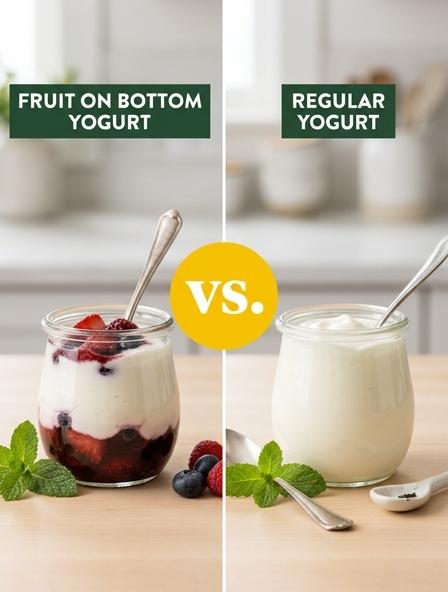
While they both share a fermented dairy base, fruit on bottom yogurt and regular yogurt differ significantly in their nutritional profile and eating experience. When analyzing nutritional content, fruit-laden varieties often contain higher sugar levels due to the syrupy preserves settled at the base, whereas regular yogurt remains a cleaner, high-protein option. Texture consistency also sets them apart; regular yogurt provides a smooth, uniform mouthfeel, while fruit on bottom offers a dual-layered, jammy contrast. Ultimately, ingredient quality varies, as the added fruit preparations frequently include stabilizers and thickeners. Choosing between them depends on whether you prefer a naturally tart staple or a pre-sweetened, dessert-like snack.
Nutritional Content and Added Sugars
The primary nutritional difference between fruit on bottom and regular plain yogurt is the sugar concentration. While plain yogurt contains only naturally occurring lactose, fruit on bottom varieties utilize a syrupy fruit preparation that significantly boosts the calorie count. These preserves often contain high-fructose corn syrup or cane sugar, which can turn a healthy snack into a high-glycemic dessert.
- Sugar Levels: Fruit-on-bottom yogurts often contain 15–25 grams of sugar per serving, compared to just 5–7 grams in plain versions.
- Protein-to-Sugar Ratio: Plain yogurt maintains a higher protein density, as it isn't displaced by liquid fruit fillers.
- Fiber Content: Despite the appearance of fruit, the processed "jam" layer usually lacks the fiber found in whole, fresh fruit.
Health-conscious parents often choose to buy large containers of plain Greek yogurt and stir in their own sliced strawberries to provide a sweet treat for their children without the hidden sugar crash before bedtime.
Texture Variations in Baking and Cooking
Choosing between fruit on bottom and regular yogurt significantly alters the structural outcome of recipes. Regular yogurt provides a homogeneous, creamy consistency that integrates evenly into batters, ensuring a uniform crumb and stable moisture levels. In contrast, fruit on bottom yogurt introduces a dual-phase texture: a thick yogurt layer combined with syrupy, macerated fruit. This added liquid can thin out mixtures or create localized moisture pockets, which may affect rising times in delicate pastries.
- Regular Yogurt: Offers a consistent pH and fat distribution, ideal for smooth dressings and sponges.
- Fruit on Bottom: Provides varying density and "flavor bursts" due to the concentrated fruit preserves.
Many bakers use plain regular yogurt for a dense, velvety pound cake but switch to fruit on bottom peach yogurt when they want a quick morning muffin with sweet, jam-like surprise centers.
Caloric Density and Macro Profiles
When comparing fruit on bottom yogurt to regular varieties, the primary difference lies in caloric density and sugar content. Regular yogurt, particularly plain Greek versions, focuses on high protein and minimal carbohydrates. In contrast, fruit on bottom options include a sugary jam or syrup layer, significantly increasing the total calories per serving.
- Regular Yogurt: Typically 100-120 calories with 12-15g of protein and low sugar.
- Fruit on Bottom: Often exceeds 150 calories with 20g+ of sugar due to fruit preserves.
The macro profile shifts from a protein-dominant snack to one that is carbohydrate-heavy. While the fruit adds a small amount of fiber, it is rarely enough to offset the glycemic impact of the added sweeteners. You might prefer the convenience of pre-mixed sweetness for a quick dessert replacement, while others choose plain yogurt to control their exact intake of honey or fresh berries.
Consistency Impact on Smoothies and Dressings
Choosing between fruit on bottom and regular yogurt significantly alters the structural integrity of your recipes. Regular yogurt, which is typically pre-stirred, provides a homogeneous viscosity that serves as a stable base for emulsions. In contrast, fruit-on-bottom varieties feature a dual-texture profile: a thick yogurt layer sitting atop a thin, sugary fruit syrup containing whole or crushed pieces.
- Smoothies: Regular yogurt ensures a silky, uniform pour, while fruit-on-bottom introduces extra liquid and solids that can create an unpredictable density.
- Dressings: The high moisture content in fruit-on-bottom syrup can cause vinaigrettes to break or become too runny compared to the thick, creamy bind of plain yogurt.
You might prefer the reliable thickness of regular Greek yogurt for a velvety Caesar dressing, or choose fruit-on-bottom to add a layered textural surprise to a quick morning smoothie.
Presence of Stabilizers and Thickening Agents
The structural integrity of yogurt often depends on the addition of stabilizers, particularly in fruit on bottom varieties. Because the fruit layer is essentially a syrupy preserve, manufacturers use thickening agents to prevent the fruit from bleeding into the yogurt layer and to maintain a consistent mouthfeel. In contrast, regular plain yogurt-especially Greek varieties-frequently relies on natural fermentation and straining to achieve thickness, though some commercial brands still add thickeners to mimic a creamier texture.
- Pectin: Used primarily in the fruit prep to create a gel-like consistency.
- Modified Food Starch: Helps prevent syneresis (liquid separation) during storage.
- Gums (Guar or Xanthan): Added to improve viscosity and shelf stability.
Purists often opt for regular plain yogurt because they appreciate a clean label that avoids the extra starches and gums required to keep fruit-bottom preserves in place.
Probiotic Strength and Fermentation Levels
When comparing fruit on bottom yogurt to regular varieties, the core fermentation process remains largely the same; however, the environment for live cultures can vary. Regular yogurt, particularly plain versions, often provides a more stable environment for beneficial bacteria like Lactobacillus to thrive without the interference of added sugars or preservatives.
- Regular Yogurt: Maintains a consistent pH level, which helps preserve the viability and concentration of probiotics during shelf life.
- Fruit on Bottom: The syrupy fruit layer introduces additional acidity and sugars that can, in some cases, slightly degrade the potency of active cultures over time.
While both options offer gut-health benefits, many wellness enthusiasts prefer buying large tubs of plain regular yogurt to stir in their own fresh fruit, ensuring they get a maximum dose of probiotics without the processed additives found in pre-mixed containers.
Flavor Versatility for Sweet and Savory Dishes
The primary difference between fruit on bottom and regular yogurt lies in their culinary range. Regular, plain yogurt serves as a multi-purpose ingredient because its neutral, tangy profile adapts to various flavor palettes. Conversely, fruit on bottom yogurt is pre-sweetened and fruit-heavy, restricting its use primarily to sweet snacks or desserts.
- Regular Yogurt: Ideal for savory sauces, meat marinades, and as a healthy sour cream substitute.
- Fruit on Bottom: Best for quick, sweet breakfasts or convenient, dessert-like treats.
While regular yogurt allows you to control the sugar content, the fruit-filled alternative provides a ready-made flavor explosion for those seeking convenience. Whether you are folding plain yogurt into a creamy cucumber raita for dinner or grabbing a strawberry-bottomed cup for a midday energy boost, both styles offer distinct advantages based on your specific meal goals.
Moisture Content and Dough Hydration
The choice between fruit-on-bottom and regular yogurt significantly impacts dough hydration and final crumb structure. Regular yogurt, especially Greek varieties, offers a stable moisture profile that integrates predictably with flour. Conversely, fruit-on-bottom yogurt introduces additional liquid through syrupy fruit preserves, which can unintentionally increase the hydration percentage of your dough.
- Regular Yogurt: Provides consistent fat and protein ratios for a tender, predictable crumb.
- Fruit on Bottom: Adds high-sugar liquid content that may require reducing other recipe fluids.
Failure to account for these extra liquids often results in a sticky, unmanageable dough that lacks structural integrity. Home bakers making breakfast muffins often prefer regular plain yogurt to ensure the batter remains thick and stable even after the fruit elements are incorporated.
Preservative Differences in Packaged Varieties
The primary difference in preservation between fruit on bottom and regular yogurt lies in the stability of the fruit preparation. Regular yogurt, particularly plain varieties, typically relies on natural lactic acid and live active cultures to maintain freshness. However, the sugary fruit layer in "bottom" varieties is more susceptible to mold and fermentation, requiring additional shelf-life enhancers.
- Regular Yogurt: Often features a clean label with just milk and cultures; some flavored versions may use natural citrus extracts for acidity.
- Fruit on Bottom: Frequently contains preservatives like potassium sorbate, along with thickeners such as pectin or modified corn starch to prevent the fruit from bleeding into the yogurt.
These additives ensure the fruit maintains its vibrant color and texture from the factory to your fridge. Health-conscious shoppers often prefer buying a large tub of plain yogurt and folding in their own fresh blueberries to enjoy a snack that is completely free of industrial stabilizers.
Economic Value of Flavored and Plain Options
When evaluating the financial impact of your dairy aisle choices, plain yogurt generally offers superior economic value compared to fruit on bottom varieties. Purchasing large, multi-serve containers of plain yogurt significantly reduces the price per ounce by eliminating the premium charged for pre-mixed additives and specialized packaging. While fruit on bottom yogurt provides convenience, you are often paying a higher markup for sugar-heavy fruit preparations.
- Unit Pricing: Plain yogurt in bulk is often 30% to 50% cheaper per serving than individual flavored cups.
- Ingredient Efficiency: Buying plain ensures you pay for protein and probiotics rather than thickeners and syrups.
- Waste Reduction: Large tubs minimize plastic waste compared to single-serve fruit on bottom units.
Many budget-conscious shoppers prefer buying a large tub of plain Greek yogurt and layering it in reusable jars with a spoonful of seasonal jam or frozen berries to recreate the fruit on bottom experience at a fraction of the cost.
Fruit on Bottom Yogurt vs Regular Yogurt source and external links
- Fruit on bottom yogurt features a concentrated layer of fruit preserves at the base of the cup that requires stirring to incorporate the flavor into the yogurt.
- Regular yogurt is a smooth, fermented dairy product created by bacterial fermentation of milk, commonly enjoyed for its probiotic content and tangy taste.