
Fresh Pasta vs Dry Pasta : The Differences in Texture, Nutritional Profile, and Culinary Performance.
Choosing between fresh and dry pasta isn't just a matter of convenience; it's about tailoring your dish's texture and culinary performance to the perfect sauce. Fresh pasta, typically made with eggs and soft flour, offers a tender, velvety mouthfeel that beautifully absorbs light, delicate cream or butter sauces. Conversely, dry pasta-crafted from durum semolina and water-provides the structural integrity needed for a firm al dente bite, making it the ideal vessel for hearty, chunky ragus. Nutritionally, fresh varieties often boast higher protein and fat content due to the eggs, while dry pasta remains a reliable, shelf-stable pantry staple. Mastering these nuances ensures your next Italian-inspired meal achieves the perfect balance of flavor and texture.
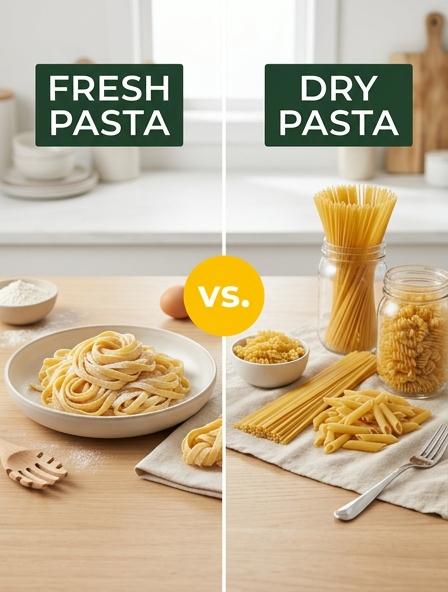
Texture and Sauce Adhesion in Pasta
The choice between fresh and dry pasta fundamentally alters the dining experience through texture and sauce interaction. Dry pasta, made from durum wheat semolina, is engineered for a firm, "al dente" bite. Its structural integrity makes it ideal for heavy lifting in complex dishes. In contrast, fresh pasta incorporates eggs, resulting in a tender, velvety mouthfeel and a highly porous surface that behaves differently under heat.
- Dry Pasta: Often bronze-cut to create a sandpaper-like surface, it excels at gripping oil-based or chunky vegetable sauces.
- Fresh Pasta: Its delicate, absorbent nature allows it to soak up thin, fat-based sauces like melted butter or light cream.
You might reach for a box of dried penne when preparing a hearty, slow-cooked amatriciana to ensure the ridges trap the sauce, while opting for fresh, hand-cut fettuccine when you want a delicate sage and butter emulsion to permeate every strand.
Nutritional Profiles of Egg-Based and Semolina Dough
The nutritional composition of pasta is primarily determined by its ingredients. Fresh pasta is typically made from an egg-based dough, which increases the protein content and introduces healthy fats and cholesterol. These eggs provide essential micronutrients like Vitamin A, B12, and lutein. Conversely, dry pasta is generally composed of durum wheat semolina and water. This combination results in a product that is lower in fat but rich in complex carbohydrates, offering a steady release of energy.
| Nutrient | Egg-Based (Fresh) | Semolina (Dry) |
|---|---|---|
| Protein | Higher | Moderate |
| Fat | Moderate | Low |
You might choose the rich, velvety calories of fresh tagliatelle for a decadent weekend treat, while the high-carb efficiency of dry fusilli is what people love for consistent meal prepping and athletic performance.
Boiling Performance and Water Absorption Rates
The primary difference between fresh and dry pasta lies in their moisture content and structural density. Fresh pasta, often made with eggs, already contains significant hydration, resulting in rapid heat penetration and a brief cook time of two to four minutes. Because it is already moist, it absorbs very little additional water during the boiling process.
Conversely, dry pasta undergoes a dehydration process that creates a porous, shelf-stable structure. To reach an al dente state, it must rehydrate fully, often doubling in weight. Key differences include:
- Fresh Pasta: Short boiling window, minimal expansion, delicate protein structure.
- Dry Pasta: Long boiling window (8–12 minutes), high absorption rate, starch-heavy surface.
You might choose the quick-boiling efficiency of fresh tagliatelle when you need a gourmet meal on the table in under five minutes.
Storage Stability and Temperature Factors
The fundamental distinction between fresh and dry pasta lies in their moisture content and structural stability. Fresh pasta, typically containing eggs, is highly perishable and requires strict temperature control. It must be stored in the refrigerator at or below 4°C to prevent spoilage, or frozen to extend its viability. In contrast, dry pasta undergoes a rigorous dehydration process, making it a shelf-stable product that resists microbial growth at room temperature.
- Fresh Pasta: Lasts 2–3 days refrigerated; sensitive to humidity and heat.
- Dry Pasta: Lasts 1–2 years in a cool, dry pantry; thrives in ambient conditions.
While dry semolina shapes are the reliable backbone of a quick weeknight pantry meal, food enthusiasts often prefer the delicate, melt-in-your-mouth texture of fresh fettuccine kept chilled until the very moment it hits the boiling water.
Structural Integrity for Various Sauce Weights
The choice between fresh and dry pasta is dictated by the physical load of your sauce. Fresh pasta, crafted from flour and eggs, has a delicate, porous texture. It is designed to absorb thin, silky emulsions like butter, sage, or light cream sauces. However, its soft structure can collapse under the weight of heavy ingredients.
Conversely, dry pasta is made from hard durum wheat semolina and water. This creates a dense, sturdy matrix that maintains its shape even when tossed with chunky or oily components. The structural differences are best summarized by their ideal pairings:
- Fresh Pasta: Best for light cream, delicate seafood, or simple oil-based sauces.
- Dry Pasta: Essential for heavy meat ragus, thick vegetable sauces, and robust pestos.
You will appreciate the firm, al dente snap of dry rigatoni when preparing a heavy Sunday gravy, as it provides the necessary strength to carry thick chunks of sausage and tomato without falling apart.
Regional Culinary Heritage and Traditional Pairings
The distinction between fresh and dry pasta is deeply rooted in Italian geography and resource availability. Northern regions, such as Emilia-Romagna, are the traditional heartland of fresh pasta (pasta fresca), typically crafted from soft wheat flour and eggs. In contrast, the sun-drenched South specializes in dry pasta (pasta secca), utilizing hard durum wheat semolina and water to create shelf-stable shapes that define Mediterranean cooking.
- Fresh Pasta: Best paired with rich butter-based sauces, silky cream, or delicate sage infusions.
- Dry Pasta: Ideal for robust olive oil, acidic tomato, or spicy seafood-based recipes.
This heritage ensures that the pasta's structural integrity and surface texture perfectly complement the sauce's viscosity. Many home cooks find that nothing beats the way a porous, hand-rolled tagliatelle captures every drop of a slow-simmered Bolognese ragù during a cozy Sunday family dinner.
Health Impact of Carbohydrate and Protein Composition
The nutritional profile of pasta varies significantly based on its base ingredients. Dry pasta, primarily crafted from durum wheat semolina and water, is a reliable source of complex carbohydrates. It often features a lower glycemic index, which helps stabilize blood sugar levels and provides long-lasting satiety.
Conversely, fresh pasta typically incorporates whole eggs, shifting its macronutrient balance. While it may contain more calories, it offers a higher protein and lipid profile compared to its dried counterpart. Consider these compositional differences:
- Dry Pasta: High in gluten protein and slow-digesting starches; ideal for sustained energy.
- Fresh Pasta: Increased amino acids and healthy fats derived from egg yolks.
Athletes often choose slow-releasing dry pasta to fuel endurance training, whereas foodies prefer the rich, melt-in-the-mouth protein boost that fresh egg tagliatelle brings to a gourmet Sunday feast.
Mouthfeel and Consistency of Different Production Methods
The mouthfeel of pasta is primarily determined by its ingredients and production technique. Fresh pasta, typically made from soft wheat flour and eggs, is prized for its tender, silky, and almost pillowy consistency. Because it is highly porous, it excels at absorbing light, cream-based sauces and delicate fats.
In contrast, dry pasta is produced using hard durum semolina and water. The extrusion process-especially when using traditional bronze dies-creates a rough, matte surface and a sturdy structure. This allows the pasta to maintain a firm "al dente" bite that resists overcooking and stands up to vigorous tossing.
- Fresh Pasta: Velvety, delicate, and supple texture.
- Dry Pasta: Robust, chewy, and structurally resilient.
Home cooks often love the luxurious, melt-in-your-mouth texture of fresh fettuccine for Sunday dinner, while busy families rely on the satisfying, firm snap of dry penne for a hearty weekday marinara.
Economic Value and Family Meal Planning
When balancing a household budget, the choice between fresh and dry pasta often depends on shelf life and unit price. Dry pasta is a pantry staple offering exceptional economic value due to its long-term storage capabilities and low cost per serving. In contrast, fresh pasta represents a premium investment, typically involving higher ingredient costs or significant labor if made from scratch.
| Metric | Dry Pasta | Fresh Pasta |
|---|---|---|
| Shelf Life | 1–2 years | 2–3 days |
| Cost Per Serving | Low | Moderate to High |
Effective meal planning utilizes dry pasta for high-volume, reliable weeknight nutrition, while fresh varieties serve as a centerpiece for culinary experiences. You might rely on a box of affordable penne for a quick Tuesday night dinner, but opt for the luxury of fresh fettuccine when hosting an intimate weekend gathering for friends.
Impact of Manufacturing Processes on Ingredient Quality
The nutritional and sensory differences between fresh and dry pasta are dictated by their unique manufacturing paths. Fresh pasta is typically crafted through cold-lamination, a gentle process that avoids high temperatures to preserve the delicate fats and proteins found in whole eggs and "00" soft wheat flour. This maintains a vibrant color and a tender, silky texture.
Dry pasta quality is determined by the mechanical stress of extrusion and the precision of the dehydration cycle. Key manufacturing elements include:
- Die Material: Traditional bronze dies create a porous, sandpaper-like surface, whereas Teflon dies produce a smooth, shiny finish.
- Thermal Exposure: Slow, low-temperature drying preserves the amino acids and the nutty flavor profile of durum wheat semolina.
High-quality manufacturing ensures the starch remains trapped within the gluten network, preventing the pasta from becoming mushy. Discerning foodies often reach for bronze-cut, slow-dried rigatoni when they want a hearty sauce to cling to every intentional ridge for the perfect bite.
Fresh Pasta vs Dry Pasta source and external links
- Fresh pasta is typically made from a mixture of eggs and flour, resulting in a tender, silky texture that pairs perfectly with light or creamy sauces.
- Composed of durum wheat semolina and water, dry pasta is designed for a long shelf life and maintains a firm, al dente bite when cooked.