
Free Range Egg vs Organic Egg : Are They The Same? Nutrition, Quality, and Sustainability
Nutritional Density and Family Health Impact
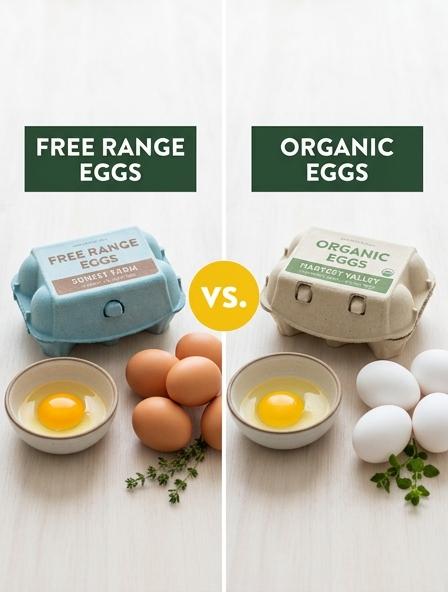
Understanding the nutritional differences between free range and organic eggs is vital for health-conscious households. While both varieties surpass conventional eggs in quality, organic eggs provide an added layer of protection by ensuring the absence of synthetic pesticides, hormones, and GMOs. Free-range hens, through natural foraging and sunlight exposure, often produce eggs with higher concentrations of Vitamin D and Omega-3 fatty acids.
- Vitamin E & A: Higher levels found in hens that graze on fresh pasture.
- Omega-3 Content: Significantly increased in birds with a diverse, natural diet.
- Chemical Purity: Organic certification guarantees no antibiotic residues or chemical inputs.
For health-conscious parents, switching to organic eggs for a toddler's first solid meals provides peace of mind, ensuring that every nutrient-dense yolk is free from the synthetic chemicals often found in industrial farming.
Differences in Yolk Richness and Natural Color
The vibrancy of an egg yolk is a direct reflection of a hen's diet, specifically her intake of carotenoids. In Free Range systems, hens forage on pasture, consuming grass and insects that naturally deepen the yolk's pigment to a vibrant orange. Organic eggs follow similar outdoor access requirements but ensure the diet consists exclusively of non-GMO, synthetic-pesticide-free feed.
While color can be influenced by additives in conventional farming, organic and high-quality free-range yolks rely on natural sources for their appearance:
- Free Range: Color varies based on the biodiversity of the foraging area.
- Organic: Consistent richness derived from certified nutrient-dense, clean grains and vegetation.
Home chefs often prefer these eggs because a deep, sunset-orange yolk creates a more luxurious mouthfeel and striking presentation in a classic carbonara or a soft-poached breakfast dish.
Consistency in Baking and Structural Performance
When comparing free range and organic eggs for high-stakes baking, consistency is the defining factor. While both varieties offer superior quality over conventional eggs, organic eggs often provide more predictable structural performance. This reliability stems from strictly regulated, GMO-free organic feed, which ensures a stable protein-to-fat ratio in every batch.
In recipes where aeration and leavening are critical, such as meringues or delicate sponges, the uniformity of organic egg whites is particularly beneficial. Key structural advantages include:
- Protein Integrity: Controlled diets lead to stronger albumin chains for better lift.
- Emulsification: Consistent yolk fats ensure smoother batters and more stable hollandaise.
- Moisture Levels: Organic standards help maintain a standardized water-to-solid ratio.
You might find that choosing organic eggs is the professional secret to ensuring your tall, airy soufflés never collapse unexpectedly during a dinner party.
Safety Standards and Chemical Residue Comparisons
Comparing safety standards between free range and organic eggs reveals significant differences in chemical exposure. Organic certification mandates the strictest protocols, prohibiting synthetic pesticides, herbicides, and GMOs in chicken feed. While free-range birds enjoy outdoor access, their diet may still consist of conventional grains treated with agricultural chemicals unless otherwise specified.
- Organic: Strictly regulated feed with no synthetic inputs or routine antibiotics.
- Free Range: Prioritizes animal welfare and space, but feed standards vary.
Chemical residue studies often favor organic production due to cleaner soil and feed requirements. Although both production methods must meet basic food safety laws, organic systems provide more transparency regarding environmental contaminants and antibiotic resistance.
You might choose organic eggs when preparing a nutritious breakfast for a young child, ensuring their growing body avoids any potential exposure to synthetic pesticide residues found in conventional poultry feed.
Shell Quality and Ease of Kitchen Use
When comparing free-range and organic eggs, shell integrity is a primary factor for home cooks. Organic eggs often boast superior thickness because organic farming standards mandate nutrient-dense, pesticide-free feed typically supplemented with high-quality calcium and minerals. This results in a sturdy shell that resists cracking prematurely during transport or storage.
- Free Range: Generally strong shells due to natural movement and sunlight-induced Vitamin D.
- Organic: Maximum shell density derived from strictly regulated, mineral-rich organic diets.
A thicker shell ensures a cleaner break, significantly reducing the risk of annoying shards falling into your mixing bowl. In the kitchen, this translates to better structural integrity for delicate techniques like poaching or soft-boiling. You will appreciate the difference when cracking a premium organic egg over a hot skillet, as the firm shell gives way to a perfectly contained yolk without any messy fragmentation.
Sustainability and Farming Method Influences
The environmental impact of egg production depends heavily on land management and feed sourcing. While both free-range and organic systems prioritize outdoor access, organic standards offer a more comprehensive approach to sustainability. Organic farming prohibits the use of synthetic pesticides, herbicides, and GMOs in feed, which prevents chemical runoff and supports local biodiversity. Free-range systems focus primarily on bird mobility, yet they may still utilize conventional agricultural inputs for feed production.
- Organic: Adheres to strict soil health regulations and lower stocking densities.
- Free-Range: Ensures outdoor duration but allows for conventional, non-organic feed.
Ultimately, organic methods tend to have a smaller ecological footprint due to regenerative soil practices and higher animal welfare requirements. Eco-conscious shoppers often reach for organic cartons when they want to ensure their morning omelet supports a farming system that actively regenerates the local ecosystem.
Results in Emulsions and Delicate Sauces
The performance of eggs in emulsions like Hollandaise or Aioli depends heavily on the lipid profile of the yolk. While free range eggs offer better structure than caged varieties, organic eggs often provide superior emulsification capacity due to strict dietary regulations. The high-quality, GMO-free feed and lack of synthetic additives in organic farming typically result in yolks with higher lecithin content and a more robust fatty acid composition.
- Emulsion Stability: Organic yolks create stronger molecular bonds, preventing sauce breakage.
- Texture: Higher lipid quality contributes to a creamier, velvet-like consistency.
- Color: The rich, natural pigments in organic yolks enhance the visual appeal of pale sauces.
Professional chefs often reach for organic eggs when whisking a delicate Béarnaise to ensure the sauce remains perfectly stable, glossy, and rich under gentle heat.
Flavor Profiles in High Temperature Cooking
High-temperature cooking methods like frying or searing reveal subtle distinctions between free range and organic eggs. Organic eggs, governed by strict non-GMO feeding standards, frequently possess a more robust yolk stability and a deeper umami profile. In contrast, free range eggs offer a flavor that reflects the biodiversity of the pasture, often resulting in a lighter but nuanced palate.
- Organic: Intense richness and buttery consistency when seared at high heat.
- Free Range: Clean finish with whites that caramelize effectively for a crispy texture.
While both varieties outperform standard eggs, the heat-induced Maillard reaction interacts uniquely with the nutrient density found in organic yolks. You might choose a vibrant organic egg for a quick high-heat fry-up when you want a rich, golden center that stands up perfectly to the smoky char of artisan sourdough.
Price Comparisons and Grocery Budget Value
Navigating the egg aisle requires balancing animal welfare against your weekly grocery budget. Organic eggs generally command the highest price point because they necessitate certified non-GMO, pesticide-free feed and rigorous land management standards. In contrast, free range eggs offer a middle-ground valuation, providing outdoor access for hens without the added cost of organic certification.
| Egg Type | Typical Price Tier | Key Budget Factor |
|---|---|---|
| Free Range | Moderate | Outdoor space overhead |
| Organic | Premium | Certified organic feed costs |
While organic options ensure the strictest environmental standards, free range provides significant ethical improvements over conventional eggs at a more accessible price. You might choose free range for high-volume baking to keep costs down, while reserving nutrient-dense organic cartons for your centerpiece Sunday brunch.
Shelf Life and Storage Quality Over Time
When evaluating the longevity of free range versus organic eggs, the primary differentiator is the consistency of storage rather than the production method alone. Both egg types typically maintain peak freshness for 3 to 5 weeks when refrigerated. However, organic eggs often possess slightly more robust shell membranes due to the specific mineral-rich, non-GMO diets provided to the hens, which can marginally slow down the rate of moisture evaporation and air cell expansion.
- Shell Integrity: Organic standards often lead to stronger shells, protecting internal quality longer.
- Nutrient Retention: Both types lose vitamins gradually, but free range eggs often retain high levels of Vitamin E if the birds had significant pasture access.
- Consistency: Quality over time is best preserved by keeping eggs in their original carton at a steady 40°F.
Imagine cracking a fresh organic egg into a hot skillet for a Sunday brunch; the high, firm yolk and thick whites are exactly what home chefs look for to ensure a perfect poach every time.
Free Range Egg vs Organic Egg source and external links
- Free range eggs are produced by hens that are granted access to the outdoors rather than being confined to cages. Learn more about free range eggs.
- Organic eggs come from chickens that are fed a strictly organic diet and are raised without the use of synthetic pesticides or antibiotics. Read more about the benefits of organic eggs.
While free-range and organic eggs both emphasize animal welfare by providing outdoor access, they are not identical in regulatory standards or nutritional profiles. Free-range eggs ensure hens can roam outside, yet their diet may still include synthetic pesticides or GMOs. In contrast, organic certification mandates a strictly non-GMO, chemical-free diet and prohibits antibiotics, often resulting in superior nutrient density, including higher Omega-3 fatty acids and Vitamin D. From a sustainability perspective, organic farming practices offer greater environmental protection by eliminating harmful synthetic inputs. Ultimately, while both options are ethical improvements over caged systems, organic eggs represent the gold standard for consumers seeking the highest quality, maximum nutritional value, and a reduced ecological footprint, effectively encompassing and exceeding free-range requirements.