
Extra Virgin vs Olive Oil: Which is Best for High-Heat Stability, Nutrient Density, and Culinary Flavor?
Smoke Point Variations for Sautéing and Roasting
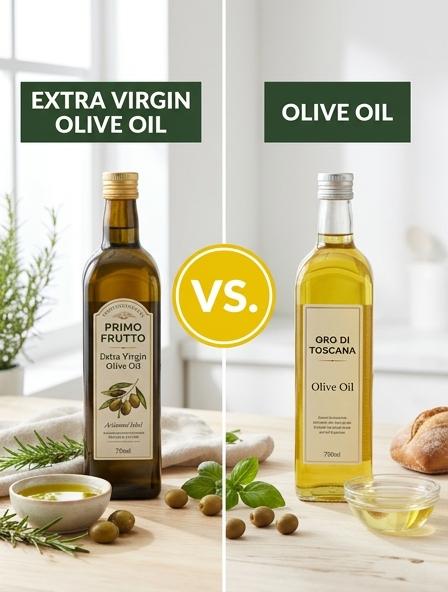
The smoke point is the temperature at which an oil begins to break down, losing nutritional value and creating off-flavors. Extra Virgin Olive Oil (EVOO), being unrefined, typically has a lower smoke point ranging from 350°F to 410°F. In contrast, refined "Olive Oil" or "Light Olive Oil" undergoes processing that removes impurities, increasing its thermal stability to approximately 465°F.
| Oil Type | Smoke Point | Primary Cooking Method |
|---|---|---|
| Extra Virgin | ~375°F | Low-heat sautéing, drizzling |
| Refined Olive Oil | ~465°F | High-heat roasting, searing |
While EVOO is stable enough for most stovetop tasks, refined versions are superior for long durations in a hot oven. You might reach for the refined bottle when roasting potatoes at 425°F to achieve a golden crunch without the risk of acrid smoke filling your kitchen.
Vitamin E and Polyphenol Content in Different Pressings
The nutritional density of olive oil is determined by its extraction process. Extra Virgin Olive Oil (EVOO) is obtained through the first cold pressing, a mechanical method that retains its full biological value. Conversely, regular olive oil typically undergoes refining processes involving heat or chemicals, which strip away essential compounds.
- Polyphenols: EVOO contains high levels of these antioxidants, which are largely absent in refined oils.
- Vitamin E: This fat-soluble nutrient remains potent in EVOO but degrades during high-heat processing.
While Vitamin E supports skin health, polyphenols are responsible for the oil's anti-inflammatory properties and distinct flavor profile. Home chefs often prefer drizzling premium EVOO over a fresh caprese salad to capture that peppery finish and maximize their daily antioxidant intake.
Flavor Profile Variations in Mild and Robust Grades
The sensory journey of olive oil depends heavily on its grade and extraction method. While standard "Olive Oil" is refined to provide a neutral, consistent taste, Extra Virgin Olive Oil (EVOO) retains the complex chemical compounds that define its character. These flavors are generally categorized into two distinct profiles:
- Mild/Delicate: Features buttery, floral, or nutty notes with a smooth, subtle finish.
- Robust/Intense: Characterized by grassy aromas, a peppery throat sting, and a pleasant bitterness indicating high polyphenol levels.
The choice between these profiles affects how a fat interacts with other ingredients. Mild oils enhance delicate components without overshadowing them, whereas robust oils act as a bold seasoning. You might reach for a mild variety when whisking a delicate citrus vinaigrette, but choose a robust pour to finish a charred ribeye or add a spicy kick to a rustic tomato soup.
Chemical Stability When Exposed to High Heat
When comparing extra virgin olive oil (EVOO) to regular olive oil, chemical stability is often misunderstood. While refined olive oil has a higher smoke point, EVOO exhibits superior oxidative stability. This is due to its high concentration of polyphenols and monounsaturated fatty acids, which protect the oil from breaking down into harmful polar compounds during the cooking process.
- Polyphenols: These antioxidants act as a shield against thermal oxidation.
- Oleic Acid: A stable monounsaturated fat that resists degradation better than polyunsaturated fats found in seed oils.
- Low Acidity: The low free fatty acid content in EVOO contributes to its structural integrity under heat.
You might choose to use extra virgin olive oil when roasting a chicken at 400°F because its high antioxidant count ensures the oil remains chemically stable and nutritious throughout the cooking time.
Extraction Methods and Kitchen Performance
The distinction between extra virgin olive oil (EVOO) and regular olive oil begins at the mill. EVOO is cold-pressed, using purely mechanical methods to preserve natural antioxidants and a robust flavor profile. In contrast, regular olive oil is often refined using heat or solvents, resulting in a more neutral taste and a higher smoke point.
| Feature | Extra Virgin Olive Oil | Regular Olive Oil |
|---|---|---|
| Processing | Cold-pressed (Mechanical) | Refined (Heat/Chemicals) |
| Smoke Point | Lower (~375°F) | Higher (~465°F) |
These extraction methods dictate their kitchen utility; while EVOO is prized for its health benefits and aroma, refined oils are better suited for high-temperature techniques. You may prefer using a versatile olive oil for high-heat roasting and searing, while reserving your premium extra virgin bottle for a vibrant, peppery drizzle over a finished burrata salad.
Behavior in Cold Preparations and Finishing
When used in raw applications, the sensory differences between Extra Virgin Olive Oil (EVOO) and regular olive oil are most pronounced. EVOO is essentially a cold-pressed fruit juice, retaining the full spectrum of polyphenols, antioxidants, and volatile aromatic compounds. In contrast, refined or "pure" olive oils undergo processing that strips away these delicate flavor profiles, leaving a neutral fat that contributes little to a dish's character.
- Flavor Impact: EVOO provides notes of grass, artichoke, or pepper; regular olive oil is virtually tasteless.
- Aroma: Finishing with EVOO releases fresh, herbaceous scents that elevate the olfactory experience.
- Nutritional Value: Cold preparations preserve the heat-sensitive vitamins and healthy fats unique to the extra virgin grade.
You might drizzle a robust, single-origin EVOO over a bowl of creamy burrata and vine-ripened tomatoes to experience that signature peppery finish that transforms a simple appetizer into a gourmet experience.
Nutrient Preservation Across Various Cooking Temperatures
The nutritional value of olive oil depends heavily on its thermal stability and antioxidant content. Extra Virgin Olive Oil (EVOO) contains high levels of polyphenols and tocopherols, which serve as a protective shield against oxidative stress. While intense heat can diminish some volatile compounds, EVOO remains remarkably stable due to its high monounsaturated fat content.
- Extra Virgin Olive Oil: Preserves most bioactive nutrients at temperatures up to 375°F-405°F, making it ideal for sautéing.
- Refined Olive Oil: Withstands higher smoke points (up to 465°F) through processing, but enters the pan with significantly fewer antioxidants.
Research indicates that even when some phenols decrease during frying, the oil's core fatty acid profile remains healthier than most vegetable oils. You might enjoy using a robust, cold-pressed EVOO for finishing a hot Mediterranean stew to ensure you capture the full spectrum of its anti-inflammatory benefits.
Sensory Characteristics of Refined and Unrefined Options
The sensory profile of olive oil is dictated by its extraction process. Unrefined Extra Virgin Olive Oil (EVOO) retains its natural organoleptic compounds, whereas refined "Olive Oil" undergoes processing to neutralize intense flavors and odors.
- Extra Virgin (Unrefined): Offers a complex bouquet of grassy, fruity, or floral aromas with a characteristic peppery finish and slight bitterness.
- Olive Oil (Refined): Features a pale color and a neutral taste profile, lacking the robust pungency found in virgin grades.
While unrefined oils are prized for their chemical purity and antioxidant-rich flavors, refining produces a consistent, mild product with a higher smoke point. You might drizzle a pungent, cold-pressed EVOO over fresh heirloom tomatoes to elevate their sweetness, while opting for a neutral refined oil for high-heat sautéing to ensure the natural flavors of your ingredients remain the star of the dish.
Oxidative Resistance and Pantry Storage Life
Extra Virgin Olive Oil (EVOO) possesses superior oxidative resistance compared to regular olive oil due to its high concentration of polyphenols. These natural antioxidants act as a built-in defense mechanism, preventing the oil from breaking down when exposed to oxygen, light, or moderate heat. While regular olive oil undergoes refining processes that strip away these protective nutrients, EVOO remains chemically stable for a longer duration in typical pantry conditions.
- Extra Virgin Olive Oil: High polyphenol count; shelf life of 18–24 months.
- Regular Olive Oil: Refined with fewer antioxidants; shelf life of 12–18 months.
To maintain peak quality, it is essential to store these oils in cool, dark environments to prevent the onset of rancidity and preserve the delicate flavor compounds.
You might enjoy the peace of mind that comes from using a robust EVOO for your weekend meal prep, knowing its high antioxidant levels keep it fresh and flavorful even in a busy, warm kitchen.
Nutritional Comparisons of Different Pressing Grades
The nutritional profile of olive oil depends heavily on its extraction method. Extra Virgin Olive Oil (EVOO) is the highest quality, produced through mechanical cold-pressing. This process preserves vital micronutrients that are often lost in lower grades during chemical or heat processing.
| Feature | Extra Virgin Olive Oil | Regular Olive Oil |
|---|---|---|
| Polyphenols | High (Antioxidant-rich) | Low (Lost in refining) |
| Vitamin E & K | Fully Preserved | Significantly Reduced |
| Processing | Unrefined/Cold-pressed | Refined & Blended |
While both grades provide healthy monounsaturated fats, EVOO contains superior levels of anti-inflammatory compounds like oleocanthal. Regular olive oil, often labeled as "Pure," undergoes heat treatment, stripping away biological benefits to create a neutral, high-smoke-point oil. You might reach for a bottle of EVOO to finish a Mediterranean grain bowl for a boost of heart-healthy antioxidants, while saving the refined version for high-heat searing.
Extra Virgin Olive Oil vs Olive Oil source and external links
- Extra Virgin Olive Oil is the highest quality olive oil available, extracted purely by mechanical means without any chemical processing or excessive heat.
- Regular Olive Oil is typically a blend of refined oil and virgin oil, providing a more neutral flavor and a higher smoke point suitable for various cooking methods.