
Extra Virgin Olive Oil vs Canola Oil: Are They The Same? Smoke Points, Nutritional Profiles, and Extraction Methods
Thermal Stability and Smoke Points in High Heat Cooking
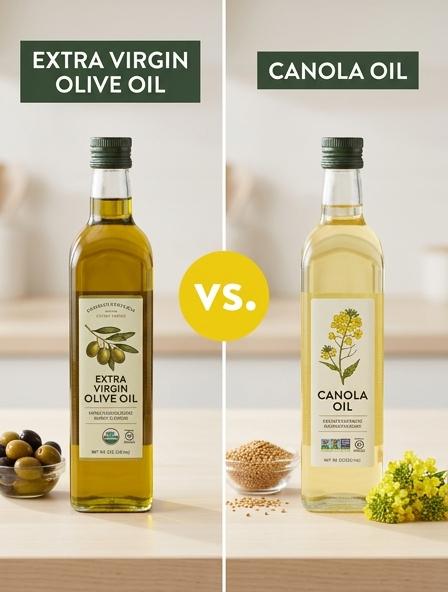
When choosing between Extra Virgin Olive Oil (EVOO) and Canola Oil for high-heat applications, thermal stability is key. The smoke point-the temperature where oil begins to break down and release harmful compounds-differs between the two. While Canola oil offers a higher smoke point of approximately 400°F to 450°F, EVOO is surprisingly resilient. Despite a slightly lower smoke point (375°F to 410°F), EVOO's rich antioxidant profile and high monounsaturated fat content provide superior protection against oxidative damage compared to many refined seed oils.
- Extra Virgin Olive Oil: High oxidative stability; best for sautéing, roasting, and medium-heat pan-frying.
- Canola Oil: Higher smoke point; often selected for deep frying and high-heat searing.
Home chefs often prefer the neutral profile of Canola oil for achieving a golden crust on a seared steak, while others rely on the robust thermal stability of EVOO to preserve nutrients during a quick Mediterranean vegetable stir-fry.
Nutritional Composition and Daily Wellness Goals
Choosing between Extra Virgin Olive Oil (EVOO) and canola oil depends on your specific wellness objectives. EVOO is widely considered the gold standard for nutrient density, as it is packed with polyphenols and vitamin E. In contrast, canola oil is more processed but offers a neutral flavor profile.
- EVOO: Rich in monounsaturated fats and bioactive antioxidants that combat oxidative stress.
- Canola Oil: Contains alpha-linolenic acid (omega-3) and has one of the lowest levels of saturated fat among vegetable oils.
While canola oil is functional for high-heat searing, EVOO remains the superior choice for reducing inflammation and supporting heart health due to its minimal processing. For those prioritizing a Mediterranean-style diet, the phytonutrients in olive oil provide a clear edge over refined seed oils.
You might reach for the rich, peppery notes of EVOO to drizzle over a fresh caprese salad when you want to maximize both flavor and heart-protective antioxidants during a light summer lunch.
Flavor Influence on Cold and Hot Preparations
The sensory impact of Extra Virgin Olive Oil (EVOO) versus canola oil depends largely on the intended application. EVOO is celebrated for its bold, complex profile, often featuring peppery, grassy, or fruity notes. These characteristics make it a functional seasoning rather than just a cooking medium. In contrast, canola oil is neutral and flavorless, designed to provide fat without altering the taste of the ingredients.
- Cold Applications: EVOO shines in dressings and marinades, providing a signature zest. Canola oil remains invisible, offering only texture.
- Hot Applications: High-heat cooking with canola oil preserves the original flavors of delicate foods. Sautéing with EVOO infuses the dish with a rich, Mediterranean depth.
The choice ultimately hinges on whether you want the oil to be a featured component or a silent conductor. You might drizzle a robust EVOO over a fresh caprese salad to complement the tomatoes, while reaching for canola oil when frying tempura to ensure the natural sweetness of the shrimp remains the focus.
Refined Production Versus Cold Pressed Extraction Methods
The primary distinction between extra virgin olive oil (EVOO) and canola oil lies in their journey from farm to bottle. EVOO is a "cold-pressed" oil, meaning it is extracted using purely mechanical pressure without the use of high heat or chemical solvents. This gentle process ensures that the oil retains its natural antioxidants, vitamins, and complex flavor profiles.
In contrast, canola oil typically undergoes a multi-stage refining process. To maximize yield and create a shelf-stable product, manufacturers often utilize:
- High-heat treatment to extract oil from the seeds.
- Chemical solvents, such as hexane, for efficient separation.
- Bleaching and deodorizing to create a neutral taste and high smoke point.
While refining makes canola oil versatile for high-temperature cooking, it strips away the biological micronutrients found in cold-pressed oils. You might choose the raw, peppery finish of a cold-pressed extra virgin olive oil to elevate a garden-fresh salad, while relying on the neutral, high-heat stability of refined canola oil for a crisp deep-fry.
Fatty Acid Profiles and Heart Health Considerations
Extra Virgin Olive Oil (EVOO) and canola oil offer distinct fatty acid structures that impact cardiovascular wellness. EVOO is primarily composed of monounsaturated fats, specifically oleic acid, which is linked to reduced inflammation and improved cholesterol markers. While canola oil contains more alpha-linolenic acid (omega-3), it undergoes heavier refining processes compared to the mechanical cold-pressing of EVOO, which preserves vital polyphenols.
| Feature | Extra Virgin Olive Oil | Canola Oil |
|---|---|---|
| Dominant Fat | Monounsaturated (Oleic Acid) | Monounsaturated / Polyunsaturated |
| Processing | Cold-pressed (Unrefined) | Chemical/Heat Extraction (Refined) |
| Heart Benefits | High Polyphenols & Vitamin E | Low Saturated Fat & Omega-3s |
Home chefs often reach for a bottle of EVOO when finishing a Mediterranean grain bowl to add both a nutritional punch and a rich, fruity aroma that enhances fresh ingredients.
Baking Performance and Crumb Texture in Pastries
Choosing between extra virgin olive oil and canola oil significantly impacts the structural integrity and sensory profile of baked goods. Canola oil is prized for its neutral flavor and light viscosity, which promotes an exceptionally airy, tender crumb and a uniform rise. Conversely, extra virgin olive oil contributes a robust, fruity essence and a slightly denser, more moist texture due to its complex fatty acid profile.
- Canola Oil: Ideal for delicate pastries where a neutral profile is required to let subtle flavors like vanilla or almond shine.
- Extra Virgin Olive Oil: Best for rustic cakes and breads where a rich, peppery undertone and a heavy, moist crumb are desired.
Bakers often choose canola oil for a light-as-air chiffon cake, but reach for high-quality extra virgin olive oil when crafting a dense, citrus-forward Mediterranean orange cake for a sophisticated dinner party.
Shelf Life and Oxidation Resistance in Home Pantries
When evaluating pantry longevity, Extra Virgin Olive Oil (EVOO) holds a distinct advantage due to its high concentration of natural polyphenols. These antioxidants protect the oil from oxidative damage caused by light and heat. In contrast, canola oil undergoes significant refining, which strips away natural protectors, leaving its polyunsaturated fats more vulnerable to rancidity over time.
- Extra Virgin Olive Oil: Naturally rich in antioxidants, maintaining stability for 12 to 24 months.
- Canola Oil: More prone to oxidation once opened, typically requiring replacement within 6 to 12 months.
Proper storage in dark, cool cupboards is essential for both to prevent premature spoilage and off-flavors. You might prefer the lasting stability of a premium EVOO when building a reliable pantry staple that stays flavorful from the first pour to the last drop in your favorite homemade vinaigrettes.
Ecological Footprint of Commercial Seed and Fruit Fats
Evaluating the environmental impact of Extra Virgin Olive Oil (EVOO) versus canola oil reveals a significant divide between traditional fruit fats and industrial seed oils. EVOO is typically produced through mechanical cold-pressing, a process that maintains the ecological integrity of olive groves. These permanent orchards act as vital carbon sinks and preserve soil health for centuries. In contrast, canola oil is a seed fat derived from annual monocultures that often require intensive chemical refining, high heat, and solvent extraction.
- Carbon Sequestration: Olive trees provide long-term CO2 storage, while canola requires annual tilling and replanting.
- Processing Intensity: Seed oils undergo heavy industrial processing; EVOO remains a raw, unrefined fruit juice.
- Biodiversity: Traditional olive groves support diverse ecosystems compared to the large-scale monocropping common in canola production.
You might reach for a bottle of organic EVOO for your daily cooking when you want to support carbon-sequestering agriculture that prioritizes soil longevity over high-input industrial yields.
Fat Absorption Rates and Crispness in Fried Dishes
The choice between Extra Virgin Olive Oil (EVOO) and canola oil fundamentally alters the structural integrity of fried food. EVOO boasts high oxidative stability and a rich concentration of monounsaturated fats, which promote rapid surface sealing. This process creates a protective crust that limits fat absorption into the center of the food, maintaining a lighter nutritional profile. Conversely, while canola oil has a high smoke point, its lower stability during prolonged heating can sometimes lead to higher oil retention in delicate batters.
- Crust Formation: EVOO facilitates a faster sear, locking in moisture while keeping grease out.
- Viscosity: The density of EVOO helps it drain more efficiently from fried surfaces.
- Flavor Retention: Canola offers a neutral base, whereas EVOO adds a complex, savory crunch.
You can master the art of the perfect golden-brown schnitzel by choosing EVOO, ensuring every bite is exceptionally crisp rather than heavy and oil-soaked.
Vitamin Retention and Nutrient Bioavailability in Meals
The choice between Extra Virgin Olive Oil (EVOO) and canola oil directly affects how your body absorbs fat-soluble nutrients. EVOO acts as a powerful delivery vehicle, significantly increasing the bioavailability of vitamins A, D, E, and K, as well as antioxidants like carotenoids found in vegetables.
- Oxidative Stability: EVOO's high polyphenol content protects vitamins from thermal degradation during cooking.
- Nutrient Density: Canola oil is highly refined, losing many natural micronutrients, whereas EVOO retains its native vitamin E and K.
- Synergistic Effects: The monounsaturated fats in olive oil facilitate better transport of phytonutrients across the intestinal wall compared to processed seed oils.
While canola oil is often marketed for its high smoke point, it lacks the protective compounds that prevent nutrient loss under heat. You might find that sautéing spinach in EVOO rather than canola oil helps you absorb more lutein for eye health while adding a rich, peppery finish to your meal.
Extra Virgin Olive Oil vs Canola Oil source and external links
- Extra virgin olive oil is a nutrient-dense fat extracted from olives without heat or chemicals, making Extra Virgin Olive Oil a staple of the healthy Mediterranean diet.
- Canola oil is a versatile vegetable oil derived from rapeseed plants that is valued for its neutral flavor and low saturated fat content, which you can learn more about by researching Canola Oil.