
English Lavender vs Lavender: Which is Best for Culinary Cooking, Baking Infusions, and Herbal Teas?
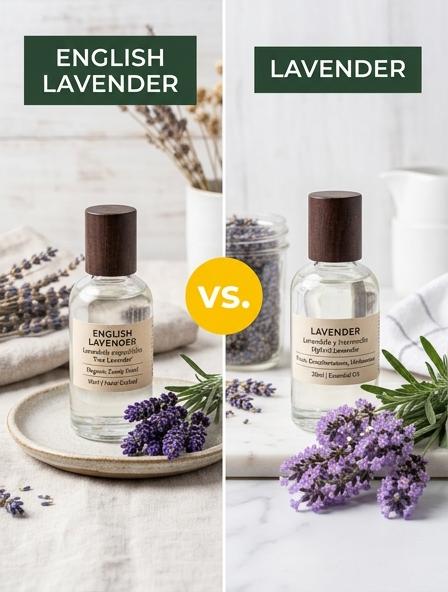
Flavor Profile Variations in Sweet Floral Herbs
When comparing English lavender (Lavandula angustifolia) to other common varieties like French or Spanish lavender, the most significant difference lies in their chemical composition. English lavender is prized for its low camphor content, which results in a sweeter, more delicate, and fruity flavor profile that is highly sought after in culinary applications.
In contrast, many other lavender species contain higher levels of cineole and camphor, leading to a more medicinal, piney, or even soapy taste. These differences determine how each herb should be utilized:
- English Lavender: Sweet, floral, and subtle; ideal for syrups, desserts, and teas.
- French/Hybrid Lavender: Pungent, woody, and resinous; better suited for aromatics and sachets rather than consumption.
Home bakers often prefer English lavender buds when whisking together a light lemon-lavender shortbread or infusing a wildflower honey to drizzle over fresh ricotta and berries.
Bitterness and Taste Differences in Garden Blooms
The primary distinction between English lavender (Lavandula angustifolia) and other common varieties lies in their chemical composition. English lavender is prized for its low camphor content, which yields a sweet, floral, and slightly citrusy flavor profile. In contrast, varieties like French or Spanish lavender contain high levels of camphor, making them taste pungent, medicinal, and unpleasantly bitter.
- English Lavender: Sweet and delicate; ideal for infusions and baking.
- French/Spanish Lavender: Harsh and soapy; better suited for sachets and aromatherapy.
Using the wrong type can quickly overwhelm a dish, turning a gourmet treat into a soapy disappointment. Home bakers often prefer infusing English lavender buds into a light lemon loaf to achieve that signature floral aroma that perfectly complements a summer afternoon tea.
Camphor Content and Its Effect on Savory Dishes
The defining culinary difference between English lavender (Lavandula angustifolia) and other varieties is their camphor concentration. English lavender is the gold standard for cooking because it contains negligible amounts of camphor, resulting in a sweet, floral, and slightly citrusy profile. In contrast, many common decorative lavenders or hybrids like Lavandin possess high camphor levels, which translate to a harsh, medicinal bitterness when heated.
- English Lavender: Delicate and fruity; enhances savory herbs like thyme.
- French/Spanish Lavender: High camphor; creates a pungent, soapy aftertaste.
In savory cooking, the goal is to provide a floral aroma without overwhelming the palate. Using high-camphor varieties can ruin a reduction or rub by making the dish taste like cleaning supplies rather than gourmet cuisine. You can rub dried English lavender buds onto a leg of lamb along with garlic and rosemary to achieve a sophisticated, earthy crust that highlights the meat's natural richness.
Aroma Concentration for Infusing Baking Syrups
When crafting infused syrups, the chemical composition of the plant determines the success of the flavor profile. English Lavender (Lavandula angustifolia) is the premier choice for culinary infusions because it possesses a high concentration of sweet, floral esters and very low levels of camphor. This results in a potent, "true" lavender essence that integrates seamlessly with sugar.
In contrast, generic varieties or French hybrids often contain higher camphor concentrations, which can create a medicinal or soapy taste when boiled into a concentrate. To achieve the best aromatic balance, consider these characteristics:
- English Lavender: Delicate, sweet, and perfume-like; ideal for high-heat reductions.
- Generic/French Lavender: Pungent, piney, and better suited for non-edible crafts.
Home bakers love steeping dried English buds into a honey-lavender syrup to drizzle over warm lemon-poppyseed cakes for a sophisticated, floral finish that mimics a professional patisserie.
Natural Oil Levels in Culinary Blooms
The primary distinction between English Lavender (Lavandula angustifolia) and other common varieties lies in their specific chemical compositions. While most lavender types are prized for their intense fragrance, English Lavender is unique for its lower camphor content. This chemical difference is crucial for culinary success, as the high camphor levels found in French or Spanish varieties often produce a bitter, medicinal, or "soapy" flavor when cooked.
| Lavender Variety | Oil Profile | Best Usage |
|---|---|---|
| English Lavender | Low Camphor / Sweet | Baking and Cooking |
| French/Spanish | High Camphor / Pungent | Sachets and Potpourri |
Home bakers often fold these delicate dried buds into lemon-infused shortbread dough to create a sophisticated floral treat that guests absolutely adore at spring garden parties.
Color Retention During High Temperature Cooking
English Lavender (Lavandula angustifolia) is the gold standard for culinary applications due to its superior color stability. While generic lavender varieties often contain high levels of camphor that can turn gray or brown when exposed to heat, English lavender maintains its aesthetic appeal. This makes it ideal for recipes requiring high-temperature baking or boiling.
- English Lavender: Retains a vibrant blue-purple hue even after being subjected to oven temperatures.
- Generic/French Lavender: Tends to fade into a dull, unappealing silver-grey during the cooking process.
The low oil camphor content in English varieties ensures that the floral pigments remain chemically stable, providing a more professional finish to gourmet dishes. You will love using dried English lavender buds when baking lemon-lavender shortbread to ensure each cookie showcases a beautiful, natural pop of purple color.
Infusion Quality for Sweet and Savory Recipes
Distinguishing between English lavender and other varieties is crucial for culinary success. English lavender (Lavandula angustifolia) is the preferred choice for infusions due to its low camphor levels and delicate, floral sweetness. Other varieties, like French lavender or Lavandin, often carry a medicinal, soapy flavor that can overpower a dish.
- Sweet Infusions: Perfect for floral syrups, custards, and delicate pastries.
- Savory Infusions: Complements rosemary and thyme in dry rubs or herb-infused oils for roasting.
Because English lavender possesses a cleaner aromatic profile, it integrates seamlessly into fats and liquids. Using the wrong variety risks turning a gourmet meal into a perfume-heavy experience. For the best results, always source culinary-grade buds to ensure the oil concentration is balanced for consumption.
You can elevate a simple Sunday morning by steeping dried English lavender buds into a warm maple syrup to drizzle over thick-cut brioche French toast.
Fragrance Persistence in Dried Floral Seasonings
When comparing fragrance persistence for culinary seasonings, English Lavender (Lavandula angustifolia) is superior to other varieties. Its low camphor content ensures that the scent remains sweet and floral rather than medicinal after the drying process. In contrast, French lavender or hybrid Lavandin contains higher camphor levels, which can become pungently bitter or "soapy" when stored as a dried herb.
- English Lavender: Retains a delicate, honey-like aroma for up to a year in airtight containers.
- Common/Hybrid Lavender: High essential oil volume but prone to losing its pleasant floral notes quickly.
The stability of the essential oils in English varieties allows the dried buds to release a consistent bouquet even after long-term storage. Home bakers love folding a teaspoon of dried English lavender into lemon shortbread dough to create a sophisticated, aromatic treat that captures the true essence of a summer garden in every bite.
Taste Perception of Ornamental vs. Kitchen Cultivars
The culinary distinction between lavender varieties hinges primarily on their chemical composition, specifically camphor levels. English Lavender (Lavandula angustifolia) is the true kitchen cultivar, prized for its sweet, floral, and slightly citrusy undertones. Conversely, ornamental varieties-such as French (L. dentata) or Spanish (L. stoechas) lavender-possess high camphor concentrations, which translate to a soapy, medicinal, or bitter taste when ingested.
- English Lavender: Low camphor, delicate fragrance, and ideal for infusion.
- Ornamental Cultivars: High camphor, pungent aroma, and aesthetically striking but unpalatable.
- Lavandin: A hybrid that is often too intense and "perfumey" for balanced recipes.
Home chefs often prefer folding dried 'Munstead' English Lavender buds into a lemon-infused shortbread dough to create a sophisticated, aromatic treat that avoids the harsh, pine-like aftertaste of common garden varieties.
Scent Profiles in Homemade Herbal Teas
When crafting homemade herbal teas, the distinction between English Lavender (Lavandula angustifolia) and other varieties is critical for flavor balance. English Lavender is the gold standard for culinary use because it contains low levels of camphor, resulting in a sweet, floral, and slightly fruity scent profile. In contrast, common "Lavender" varieties, such as French or Spanish types, often possess a pungent, medicinal aroma that can become unpleasantly bitter when steeped.
- English Lavender: Delicate, honey-like sweetness with a calming, soft finish.
- French/Spanish Lavender: Sharp, resinous, and soapy-better suited for sachets than tea.
Choosing the correct variety ensures your botanical infusion remains refreshing rather than overwhelming. You might find that adding a teaspoon of dried English Lavender to a chamomile blend creates a sophisticated, spa-like relaxation ritual that many tea enthusiasts prefer for winding down before bed.
English Lavender vs Lavender source and external links
- English lavender is a Mediterranean perennial prized for its aromatic flowers and high-quality essential oil. English lavender
- Lavender is a genus of nearly 50 species of flowering plants in the mint family, widely used for ornamental and medicinal purposes. lavender