
Cultured Butter vs Butter: Which is Best for Baking Science, Flavor Profiles, and Digestive Health?
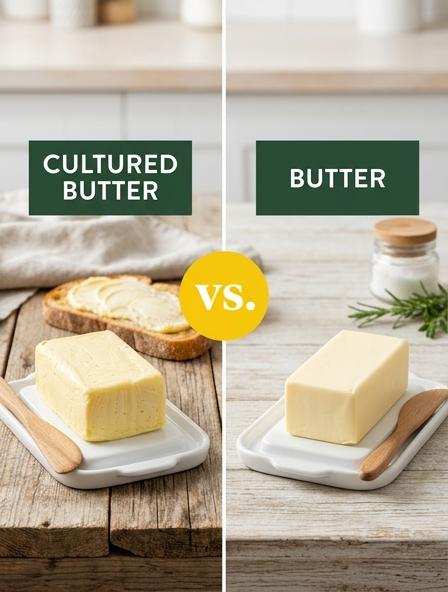
Flavor Differences Between Fermented and Sweet Cream Fats
The primary distinction between cultured and sweet cream butter lies in the fermentation process. Cultured butter is crafted by adding live bacterial cultures to cream before churning, allowing it to thicken and develop flavor-enhancing compounds like diacetyl. This results in a bold, savory profile compared to the mild, neutral taste of standard sweet cream butter made from fresh, pasteurized cream.
- Cultured Butter: Defined by a tangy, acidic, and subtly nutty profile with a complex finish.
- Sweet Cream Butter: Characterized by a silky, mellow, and predominantly milky sweetness.
Because fermentation adds depth, many gourmet chefs prefer the complex tang of cultured butter slathered over a warm, crusty slice of artisanal sourdough bread to let the vibrant, fermented notes truly shine.
Lactic Acid Impact on Pastry and Pie Crust Texture
The primary structural difference between cultured and standard butter lies in the fermentation process. Cultured butter contains lactic acid, which significantly influences the rheology of pastry dough. This acidity acts as a natural tenderizer by breaking down flour proteins, effectively inhibiting excessive gluten development.
When using cultured butter for pie crusts, the lactic acid ensures the final product remains tender rather than chewy. The chemical interaction provides several textural advantages:
- Reduced Elasticity: Prevents the dough from shrinking during baking.
- Superior Flakiness: Promotes the formation of distinct, fragile layers.
- Shortened Crumb: Creates a delicate "short" texture that melts on the tongue.
Because the acid weakens the protein bonds, the resulting crust achieves a sophisticated, shatteringly crisp consistency that regular sweet cream butter cannot provide. You will appreciate this subtle science when your holiday pie crust holds its intricate crimped shape while remaining effortlessly light and flaky.
Searing Performance and Heat Tolerance Levels
When comparing cultured butter and standard sweet cream butter, both share a relatively low smoke point-typically between 300°F and 350°F. This is due to the presence of milk solids, which caramelize and eventually burn under high heat. However, subtle differences in their composition affect how they perform during the searing process.
- Moisture Content: Cultured butter often has a lower moisture content and higher butterfat percentage, leading to less splattering and a more efficient Maillard reaction.
- Acidity: The fermentation process in cultured butter introduces lactic acid, which can enhance the complexity of the browned "beurre noisette" flavors.
- Heat Sensitivity: Both will scorch if left unattended, but the proteins in cultured butter tend to brown with a more pronounced, nutty aroma.
You might choose cultured butter when basting a thick-cut ribeye steak in a cast-iron skillet, as the tangy milk solids create a rich, mahogany crust that adds a sophisticated depth regular butter lacks.
Probiotic Concentration and Digestive Health Impact
The primary distinction between cultured butter and standard butter lies in the fermentation process. While regular butter is churned from fresh cream, cultured butter undergoes a ripening phase where live bacterial cultures are introduced. This biological activity converts lactose into lactic acid, significantly altering the nutritional profile and digestive impact.
- Probiotic Presence: Cultured butter contains live active cultures, although concentration varies by brand and processing heat.
- Lactose Reduction: The fermentation process breaks down milk sugars, making it generally easier to digest for those with mild lactose sensitivities.
- Lactic Acid: This byproduct gives the butter its signature tang and may support a more favorable environment for gut flora.
While cooking at high temperatures may neutralize live bacteria, the structural changes during fermentation ensure the butter remains gentler on the stomach than traditional sweet cream varieties. You might choose cultured butter for your morning sourdough to enjoy its complex, tangy profile while benefiting from its superior digestibility.
Moisture Content and Its Effect on Baking Science
The primary technical distinction between cultured and standard butter lies in the ratio of fat to water. Traditional American butter typically contains around 80% butterfat and 16-18% moisture. Cultured butter, however, is often churned to a higher fat content-ranging from 82% to 86%-which results in significantly lower water levels.
In the realm of baking science, this moisture variance is critical for several reasons:
- Gluten Control: Less water means less hydration for flour proteins, resulting in a more tender crumb rather than a chewy texture.
- Lamination: Lower moisture prevents the dough from becoming soggy, allowing for distinct, crisp layers in puff pastries.
- Temperature Stability: Higher fat content provides a higher melting point, offering more control during the creaming process.
You will notice the professional difference immediately when your shortbread achieves a delicate, melt-in-your-mouth "shatter" that standard high-moisture butter simply cannot replicate.
Storage Stability and Shelf Life Comparison
The primary difference in shelf life between cultured and regular butter lies in the fermentation process. Cultured butter is produced by adding live active cultures to cream, which converts lactose into lactic acid. This increased acidity acts as a natural preservative by lowering the pH level, effectively inhibiting the growth of spoilage-inducing bacteria compared to neutral sweet cream butter.
- Cultured Butter: Higher acidity offers enhanced microbial stability and a tangy flavor profile that resists spoilage.
- Regular Butter: Lacks protective lactic acid, making it slightly more vulnerable to environmental bacteria if left unrefrigerated.
While both varieties benefit from airtight storage to prevent oxidation and odor absorption, the fermentation in cultured butter provides a biological advantage. This makes it a robust choice for various culinary environments. You might prefer keeping cultured butter in a countertop crock for that perfect, spreadable consistency on your morning sourdough without worrying about rapid spoilage.
Emulsification Capabilities in Homemade Pan Sauces
When finishing a sauce via monter au beurre, the structural differences between cultured and standard butter become evident. Cultured butter typically boasts a higher butterfat content-often 82% to 86%-compared to the 80% found in traditional sticks. This lower water concentration is the key to a superior emulsion.
- Stability: Higher fat ratios provide more "anchors" for the liquid, preventing the sauce from breaking or separating.
- Gloss: The fermentation-induced acidity interacts with proteins to create a more reflective, silky sheen.
- Mouthfeel: Reduced moisture ensures a thicker, more coating consistency on the palate.
While standard butter works for everyday cooking, cultured varieties offer the technical reliability required for professional-grade reductions. You whisk a cold knob of cultured butter into your simmering balsamic reduction, watching it transform into a glossy, velvet-smooth glaze that clings perfectly to a seared filet mignon.
Vitamin K2 and Nutritional Profile Variations
While both varieties are nutrient-dense, cultured butter offers a distinct advantage through the fermentation process. The addition of lactic acid bacteria does more than just enhance flavor; it increases the concentration of Vitamin K2 (menaquinone), a critical nutrient for bone density and cardiovascular health.
- Vitamin K2: Cultured butter contains higher levels due to microbial synthesis during fermentation.
- Bioavailability: The fermentation process can make certain fats and vitamins easier for the body to assimilate.
- Probiotic Trace: While often neutralized by heat, raw cultured butter provides beneficial enzymes not found in standard butter.
Standard butter remains a reliable source of Vitamins A, D, and E. However, the specialized bacterial activity in cultured cream elevates the nutritional density, making it a functional food choice for those prioritizing heart health and calcium regulation.
You might reach for cultured butter when finishing a grass-fed steak to add a complex, tangy richness while quietly boosting your daily intake of essential fat-soluble vitamins.
Aroma Development During Sautéing and Browning
Sautéing with cultured butter releases a more complex olfactory profile than standard sweet cream butter. This difference arises from the fermentation process, where live cultures convert lactose into lactic acid and diacetyl-the primary compound responsible for "buttery" scents. When subjected to heat, these fermented components intensify the Maillard reaction, yielding a deeper, more savory fragrance.
- Sweet Cream Butter: Mild, creamy, and subtly sweet when melted.
- Cultured Butter: Tangy, robust, and hazelnut-like as the milk solids brown.
Because the lactic acid lowers the pH, the resulting beurre noisette offers a sophisticated acidity that balances the richness of the fats. Professional chefs often prefer this aromatic depth when finishing delicate seafood or creating a base for savory sauces. Imagine drizzling golden, nutty-browned cultured butter over a seared ribeye to instantly elevate the meal with a sophisticated, restaurant-quality fragrance that fills the entire kitchen.
Texture and Spreading Consistency at Room Temperature
The structural differences between cultured and standard butter become most apparent at room temperature. While both varieties soften when removed from refrigeration, cultured butter typically exhibits a more pliable and velvety consistency. This is due to the fermentation process, where active cultures subtly alter the fat globules, resulting in increased plasticity and a smoother mouthfeel.
- Standard Butter: Possesses a dense, uniform crystalline structure that remains relatively firm until it reaches peak softness, occasionally making it difficult to spread evenly.
- Cultured Butter: Known for its "short" texture and superior creaminess, offering a supple yield that makes it easier to incorporate into doughs or spread.
Artisan bread lovers often reach for cultured butter when preparing a rustic sourdough tartine, as it glides effortlessly across the toasted surface without tearing the delicate, airy crumb.
Cultured Butter vs Butter source and external links
- Cultured butter is made by adding live bacterial cultures to cream before churning, which results in a distinctively tangy flavor and a higher fat content than standard varieties. Read more about the fermentation process of Cultured Butter.
- Butter is a versatile dairy product produced by churning fresh or fermented cream to separate the solid fats from the liquid buttermilk. Explore the history and culinary uses of Butter.