
Crushed Red Pepper vs Cayenne : Comparing Heat Intensity, Texture, and Culinary Performance Differences
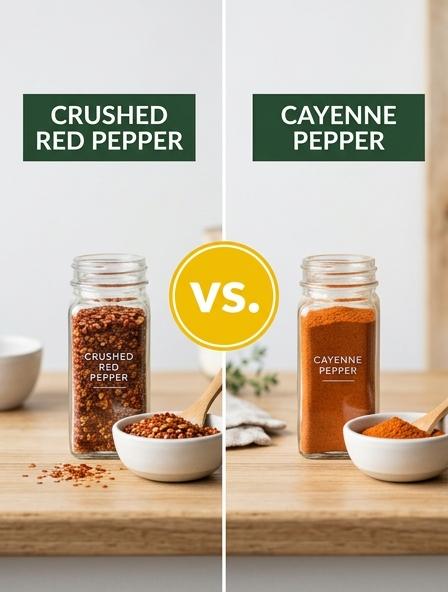
Heat Intensity Comparison Between Flakes and Ground Powder
When comparing heat intensity, ground cayenne powder typically packs a more potent punch than crushed red pepper flakes. While flakes are a coarse blend of multiple dried peppers, the ground powder consists of pure, pulverized cayenne. This fine consistency ensures an immediate release of capsaicin across the palate, whereas flakes offer a slower, textured burn as the seeds and skin break down.
| Spice Format | Heat Level (SHU) | Burn Profile |
|---|---|---|
| Crushed Red Pepper | 15,000 – 30,000 | Delayed and localized |
| Cayenne Powder | 30,000 – 50,000 | Sharp and immediate |
You might prefer the subtle, crunchy kick of flakes sprinkled over a fresh slice of pepperoni pizza, whereas the powder is your best bet for infusing a uniform, searing fire into a large pot of homemade chili.
Texture and Visual Impact on Finished Dish Presentation
The choice between crushed red pepper and cayenne significantly alters a dish's visual profile and mouthfeel. Crushed red pepper consists of dried flakes and seeds, offering a rustic, multi-textured appearance that stands out as a vibrant garnish. Conversely, cayenne pepper is ground into a fine, uniform powder, allowing it to integrate seamlessly into sauces and batters without compromising a smooth consistency.
- Crushed Red Pepper: Adds bold red specks and a crunchy element; ideal for surface seasoning and rustic appeal.
- Cayenne Pepper: Provides "stealth" heat that may slightly tint a dish orange but remains physically undetectable to the eye.
Home cooks often prefer sprinkling coarse crushed red pepper over a hot pepperoni pizza to create an artisanal look while providing a satisfying tactile crunch with every spicy bite.
Scoville Scale Variations and Palate Heat Sensitivity
The heat intensity of these spices is measured by Scoville Heat Units (SHU), which quantify the concentration of capsaicin. While both originate from the Capsicum annuum species, their potency differs significantly due to their processing and pepper blends:
- Cayenne Pepper: Generally sits between 30,000 and 50,000 SHU, delivering a concentrated, sharp sting.
- Crushed Red Pepper: Usually ranges from 15,000 to 30,000 SHU, as it often blends milder chilies with hotter varieties.
Palate sensitivity also reacts differently to their textures. Cayenne is a fine powder that dissolves quickly, hitting the heat receptors instantly for a uniform burn. In contrast, crushed red pepper consists of larger flakes and seeds, leading to a delayed, "hot spot" experience where the heat is released as you chew.
You might prefer whisking cayenne into a smooth hollandaise for a hidden kick, but most people love the visible, rustic crunch of crushed red pepper flakes scattered over a hot slice of pepperoni pizza.
Culinary Performance in Marinades and Dry Seasonings
The physical profile of these spices significantly impacts flavor delivery. Cayenne is a finely ground powder that integrates seamlessly into liquid marinades, ensuring a homogeneous distribution of heat. Its high solubility allows it to penetrate proteins deeply, providing a consistent, sharp sting throughout the dish. In contrast, crushed red pepper flakes offer a variegated experience; the mixture of dried flesh and seeds provides textural contrast and localized bursts of heat.
- Cayenne: Ideal for smooth dry rubs and high-viscosity marinades where uniform spiciness is essential.
- Crushed Red Pepper: Best for rustic seasonings and slow-infusing oils that benefit from visual appeal and a gradual release of capsaicin.
While cayenne provides the foundational heat for a Buffalo wing sauce, many backyard grillers prefer pressing crushed red pepper into a dry-rubbed flank steak to create charred, spicy pockets of flavor that pop during the first bite.
Nutrient Density and Antioxidant Content for Healthy Eating
Both crushed red pepper and cayenne are nutritional powerhouses, primarily due to their high capsaicin content. This bioactive compound is celebrated for its anti-inflammatory benefits and its ability to boost metabolic rate. While both spices share a similar genetic lineage, their nutrient profiles differ slightly in concentration:
- Cayenne: Typically contains higher concentrations of Vitamin A (beta-carotene) and Vitamin E per gram due to its finely ground, concentrated form.
- Crushed Red Pepper: Offers a broader range of phytochemicals, as it often includes the nutrient-dense seeds and skins from a blend of various pepper varieties.
These antioxidants help neutralize free radicals, supporting long-term cellular health and immune function. Many health-conscious individuals prefer whisking a dash of cayenne into a morning lemon tonic for a concentrated metabolic kickstart, whereas others love finishing a Mediterranean grain bowl with crushed red pepper to add both vibrant texture and a heart-healthy zing.
Flavor Release and Infusion Speeds in Oil Based Sauces
The rate at which heat and flavor permeate an oil-based sauce depends heavily on the surface area of the spice. Cayenne pepper, being a fine powder, provides an almost instantaneous infusion. Its particles disperse quickly, turning the oil a vibrant red and delivering a sharp, uniform heat. Conversely, crushed red pepper consists of larger flakes and seeds, resulting in a slower, time-release effect. This requires the spice to "bloom" in warm fat to unlock its full aromatic profile.
| Spice Type | Infusion Speed | Heat Distribution |
|---|---|---|
| Cayenne | Fast / Instant | Uniform and Intense |
| Crushed Red Pepper | Slow / Gradual | Localized and Nuanced |
Many home cooks prefer adding crushed red pepper to a simmering garlic and olive oil base for pasta aglio e olio to achieve a gentle, lingering warmth that deepens as the meal progresses.
Consistency Differences in Slow Cooked Stews and Soups
When preparing slow-cooked dishes, the physical form of your spice dictates the final mouthfeel and heat distribution. Crushed red pepper contains dried flakes and seeds that do not dissolve; instead, they soften over time, providing localized bursts of heat and a rustic, visible texture. In contrast, cayenne pepper is a fine powder that integrates seamlessly into liquids, ensuring a uniform level of piquancy throughout the entire pot without altering the liquid's smoothness.
- Cayenne Pepper: Best for smooth broths or purees where a consistent, invisible heat is desired.
- Crushed Red Pepper: Ideal for chunky, rustic recipes where visual spice elements and varied textures are welcome.
Many chefs prefer whisking cayenne into a creamy lobster bisque for a hidden kick, while stirring crushed red pepper into a slow-simmered three-bean chili to enhance its hearty, textured character.
Shelf Life and Potency Retention for Kitchen Pantry Storage
Both crushed red pepper and cayenne powder experience flavor degradation over time, but their physical forms dictate how long they remain potent in your pantry. Ground cayenne, with its high surface area, is more susceptible to oxidation and moisture, often losing its signature kick and vibrant color within 12 months. In contrast, crushed red pepper flakes consist of larger skin fragments and seeds that better protect volatile oils, typically retaining culinary impact for up to two years.
- Cayenne: Best used within 6–12 months for peak heat.
- Crushed Red Pepper: Remains pungent for 12–24 months.
- Storage Tip: Keep both in airtight containers away from stove-top heat and direct sunlight.
You may prefer keeping a fresh bottle of crushed red pepper on the table for a reliable spicy finish to your favorite thin-crust pizza or pasta dish.
Metabolism Support and Health Benefits of Capsaicin Rich Seasonings
Both crushed red pepper and cayenne pepper are nutritional powerhouses driven by capsaicin, a bioactive alkaloid responsible for their signature heat. This compound triggers thermogenesis, a metabolic process where the body burns calories to produce heat. Regular consumption can assist in fat oxidation and appetite regulation, making these spices valuable tools for weight management.
While crushed red pepper offers a textured, moderate heat, cayenne is a finely ground powder typically containing a higher concentration of capsaicin. Beyond metabolic stimulation, these seasonings provide several systemic advantages:
- Potent anti-inflammatory properties
- Improved blood circulation and heart health
- Antioxidant support to combat oxidative stress
Health enthusiasts often stir a pinch of cayenne into a morning lemon-ginger tonic to ignite their metabolism and sharpen focus for the workday ahead.
Influence of Particle Size on Dish Pungency and Flavor Distribution
The physical form of a spice significantly dictates how capsaicin interacts with the palate. Cayenne is a finely ground powder, offering a high surface area that allows for immediate, uniform heat distribution. When stirred into liquids, it permeates the entire dish, ensuring every spoonful has a consistent level of pungency. In contrast, crushed red pepper consists of larger dried flakes and seeds, which act as localized reservoirs of heat.
- Cayenne: Provides a seamless, "back-of-the-throat" heat that integrates into sauces and batters.
- Crushed Red Pepper: Offers a delayed, intermittent spice profile with a distinct textural element.
Because of these differences, many people prefer whisking cayenne into a smooth hollandaise for a subtle, constant warmth, whereas others enjoy scattering crushed red pepper over a hot slice of pizza to experience localized bursts of fiery crunch against the melted cheese.
Crushed Red Pepper vs Cayenne source and external links
- Often found in pizzerias, crushed red pepper is a versatile seasoning made from dried and crushed pods of various chili peppers.
- Known for its distinct heat, cayenne pepper is a staple ingredient in spicy cuisine and is commonly used in its finely ground form.