
Coconut Vinegar vs Rice Vinegar : Which is Best for Culinary Flavor, Protein Marinades, and Probiotic Health?
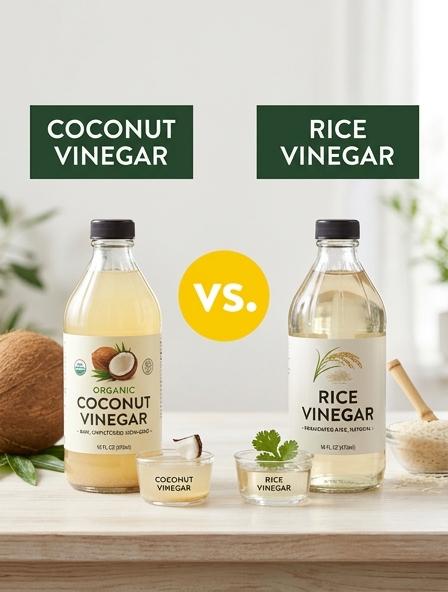
Flavor Profiles of Tropical Sap and Cereal Grain Bases
The distinction between coconut and rice vinegars lies in their raw source materials. Coconut vinegar is crafted from the nutrient-dense sap of coconut blossoms, resulting in a bold, sharp acidity accompanied by subtle floral and earthy undertones. Despite its origin, it lacks a nutty coconut taste, offering instead a complex, fermented tang. Conversely, rice vinegar originates from fermented cereal grains, yielding a much milder and sweeter profile.
Their culinary applications are often defined by these primary characteristics:
- Coconut Vinegar: High acetic punch, mineral-rich, and cloudy appearance.
- Rice Vinegar: Low acidity, delicate sweetness, and a clear to pale yellow hue.
For a punchy Filipino sawsawan dipping sauce, enthusiasts reach for the vibrant kick of coconut vinegar, whereas sushi chefs rely on the gentle touch of rice vinegar to season delicate grains without overpowering the fish.
Acidity Levels and pH Balance in Daily Cooking
Understanding the acidity of your ingredients is crucial for achieving a balanced flavor profile. Both coconut vinegar and rice vinegar typically hover around an acidity level of 4% to 5%, making them milder than distilled white vinegar. However, coconut vinegar, derived from fermented coconut sap, often contains a richer array of minerals that can subtly influence the overall pH balance of a dish compared to grain-based rice vinegar.
- Coconut Vinegar: Known for a smoother, cloudier appearance and a nutrient-dense profile.
- Rice Vinegar: Offers a clear, sharp, and consistent acidity that is essential for Asian-inspired marinades.
While their acetic acid percentages are similar, the choice often depends on the desired finish; many home cooks prefer using coconut vinegar in a light avocado salad to maintain a mellow tang, whereas they reach for rice vinegar to provide that characteristic sharp bite needed for authentic sushi rice.
Mineral Content and Amino Acid Variations in Fermented Condiments
The nutritional profile of vinegar is largely determined by its source material. Coconut vinegar, especially the variety made from coconut sap, is often considered a powerhouse because it is harvested from trees grown in mineral-rich volcanic soil. This results in a high concentration of potassium, magnesium, and phosphorus. In contrast, rice vinegar, while containing beneficial organic acids, generally possesses a more modest mineral footprint.
- Coconut Vinegar: Contains 17 essential amino acids and a high mineral content that supports electrolyte balance.
- Rice Vinegar: Primarily valued for its acetic acid content and mild flavor, though it lacks the complex nutrient density of sap-based vinegars.
While rice vinegar is a staple for achieving that classic sharp finish in sushi rice, coconut vinegar offers a lower glycemic index and a prebiotic boost for gut health. You might choose coconut vinegar for a homemade vinaigrette when you want a nutrient-dense alternative that adds a subtle, earthy sweetness to your clean-eating meal prep.
Impact on Protein Structure and Marinade Performance
Vinegars function as primary tenderizing agents by denaturing protein chains, a process where acetic acid breaks down chemical bonds to soften meat fibers. The performance difference between coconut and rice vinegar stems from their specific acidity levels and nutrient compositions.
- Coconut Vinegar: Typically boasts a higher acidity (5% to 7%) and contains natural enzymes. This makes it highly effective at breaking down tough connective tissues in red meats while adding a subtle umami depth.
- Rice Vinegar: Usually milder with an acidity level around 4% to 5%. It offers a gentler denaturation process, which is ideal for maintaining the delicate texture of seafood and poultry without over-curing.
While both vinegars facilitate moisture retention, coconut vinegar's raw mineral content can accelerate the breakdown of collagen more aggressively than the refined profile of rice vinegar. You might choose coconut vinegar for a hearty, overnight beef marinade to achieve maximum tenderness, whereas rice vinegar is your best bet for a quick, 20-minute ginger-soy glaze on fresh white fish.
Presence of Live Cultures and Probiotic Health Benefits
When comparing coconut vinegar and rice vinegar, the primary distinction lies in their fermentation processes and the preservation of live cultures. Coconut vinegar, particularly when sourced from sap, is often sold raw and unfiltered. This maintains the "mother," a cloudy collection of beneficial bacteria, proteins, and enzymes that provide probiotic support for gut health.
- Coconut Vinegar: Frequently unpasteurized, retaining active cultures and organic acids that aid digestion.
- Rice Vinegar: Typically mass-produced and pasteurized to ensure clarity and shelf stability, which eliminates most live microorganisms.
While rice vinegar is a culinary staple for its mild acidity, it lacks the functional bioactive compounds found in unrefined coconut varieties. Choosing fermented liquids with live sediment is essential for those prioritizing a healthy microbiome. You might reach for raw coconut vinegar to whisk into a daily wellness shot or salad dressing if you want to naturally enhance your digestive flora while enjoying its unique, earthy tang.
Visual Clarity and Color Influence on Finished Dishes
The visual profile of your chosen vinegar significantly impacts the aesthetic of the final plate. Rice vinegar is celebrated for its crystal clarity, ensuring that light-colored foods like sushi rice or pickled ginger remain vibrant and untainted. Coconut vinegar, conversely, often possesses a cloudy, slightly amber appearance due to natural fermentation and the presence of the "mother."
| Vinegar Type | Clarity | Color Influence |
|---|---|---|
| Rice Vinegar | High (Transparent) | Preserves natural ingredient colors. |
| Coconut Vinegar | Low (Opaque) | Adds a warm, rustic sediment. |
While rice vinegar offers a professional, clean finish, coconut vinegar brings a home-style, artisanal look to sauces. You will likely prefer the polished clarity of rice vinegar for a translucent dipping sauce to keep colors popping, while choosing coconut vinegar for a rich, dark marinade where its natural cloudiness adds authentic character.
Heat Stability and Chemical Reactions in High Temperature Cooking
When comparing coconut vinegar and rice vinegar, their performance under heat depends on their unique chemical compositions. While both consist primarily of acetic acid, coconut vinegar contains higher levels of amino acids and residual sugars. These organic compounds can trigger subtle Maillard reactions or caramelization during prolonged cooking, adding a savory depth to warm sauces. In contrast, rice vinegar is highly refined and heat-stable, maintaining its sharp acidity and clear profile even during rapid evaporation.
| Characteristic | Coconut Vinegar | Rice Vinegar |
|---|---|---|
| Heat Tolerance | Moderate | High |
| Flavor Shift | Becomes mellower/sweeter | Remains consistently sharp |
Home cooks often prefer using rice vinegar for a fast, high-heat vegetable stir-fry to ensure the greens retain their bright, sharp tang without any smoky interference.
Storage Stability and Longevity of Natural Fermentations
Both coconut vinegar and rice vinegar are exceptionally shelf-stable due to their high acetic acid content, which naturally inhibits microbial growth. While rice vinegar is typically pasteurized to ensure a clear appearance and stop fermentation, many coconut vinegars are sold "with the mother." These live cultures mean the vinegar may continue to evolve, potentially darkening or developing sediment over time without spoiling.
- Shelf Life: Both remain safe indefinitely, though quality is best within two years.
- Conditions: Store in a cool, dark pantry to prevent oxidation and flavor degradation.
- Physical Changes: Cloudiness in raw coconut vinegar is a sign of healthy enzymes, not spoilage.
Imagine pulling a forgotten bottle of coconut vinegar from the back of your pantry and discovering that its flavor has matured into a deeper, more complex tang, ready to perfectly balance a rich pork adobo or a crisp salad dressing.
Sodium Levels and Dietary Considerations for Family Meals
When selecting a souring agent for family meals, sodium content is a critical factor for heart health. Coconut vinegar is naturally low in sodium and contains trace minerals like potassium, which can help balance electrolyte levels. In contrast, while natural rice vinegar is inherently low-sodium, many commercial "seasoned" versions are loaded with added salt and sugar to enhance flavor.
- Coconut Vinegar: Naturally fermented, probiotic-rich, and ideal for low-sodium or Paleo diets.
- Rice Vinegar: A kitchen staple that requires careful label reading to avoid hidden additives.
Prioritizing coconut vinegar allows parents to maintain a tangy flavor profile without the hidden salt found in processed condiments. This makes it a functional choice for family members monitoring blood pressure or those following clean-label eating habits.
You can swap seasoned rice vinegar for coconut vinegar in your next batch of quick-pickled cucumbers to reduce salt intake while keeping the kids' favorite side dish crunchy and flavorful.
Enzymatic Properties and Their Effect on Food Digestion
The digestive impact of vinegar is largely determined by its fermentation state. Coconut vinegar, especially when raw and unfiltered, is a powerhouse of bioactive enzymes and organic acids. These components assist the body in breaking down complex proteins and fats, making nutrients more bioavailable. In contrast, many commercial rice vinegars undergo pasteurization, a heat process that neutralizes live enzymes and probiotics.
- Coconut Vinegar: Often retains the "mother," providing a source of gut-friendly bacteria and active fermentation enzymes.
- Rice Vinegar: High in acetic acid for blood sugar regulation, but typically lacks the diverse enzymatic profile of sap-based vinegars.
While both options can enhance mineral absorption, coconut vinegar acts as a superior digestive tonic by stimulating gastric juices and supporting the microbiome. You might choose to whisk raw coconut vinegar into a heavy cream-based dressing to help your system process the fats more comfortably.
Coconut Vinegar vs Rice Vinegar source and external links
- Coconut Vinegar is a nutrient-dense, fermented condiment made from the sap of coconut blossoms that offers a mild, slightly sweet flavor profile.
- Commonly used in Asian cuisine, Rice Vinegar is a versatile acidifier produced from fermented rice that provides a subtle sweetness compared to harsher grape-based vinegars.