
Coconut Cream vs Coconut Butter : Comparing Nutrition, Texture, and Culinary Performance Differences
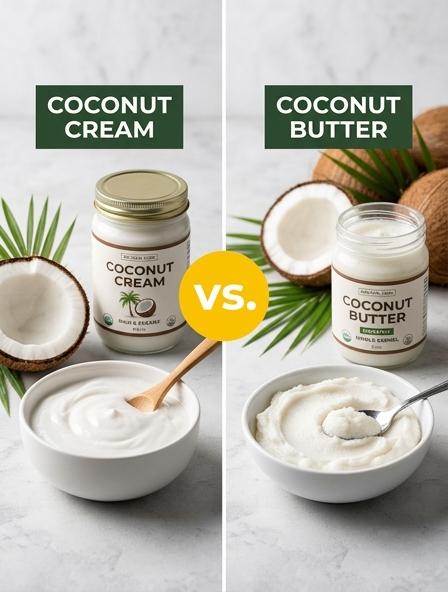
Navigating the world of plant-based fats can be tricky, especially when deciding between coconut cream and coconut butter. While they share a tropical origin, their nutritional profiles and kitchen performance are distinct. Coconut cream is a smooth, high-fat liquid perfect for adding a velvety finish to curries and dairy-free desserts. Conversely, coconut butter is a whole-food concentrate made from pulverized meat, offering a fiber-rich, spreadable consistency that hardens when cool. Understanding these differences in texture and stability is essential for any home cook looking to optimize their recipes. Whether you need a pourable thickener or a nutrient-dense spread, choosing the right coconut product will elevate your culinary creations.
Fat Content and Caloric Density for Daily Meals
Choosing between coconut cream and coconut butter significantly impacts your daily energy intake. Coconut cream is a high-fat liquid produced by simmering coconut meat in water; it contains roughly 20-25% fat, providing a rich mouthfeel with a moderate caloric load. Coconut butter, however, is a whole-food puree containing both the oil and the fiber of the meat, resulting in a much higher caloric density and a fat content often exceeding 60%.
| Feature | Coconut Cream | Coconut Butter |
|---|---|---|
| Fat Content | Moderate (approx. 20%) | Very High (60%+) |
| Fiber | Negligible | High |
Because butter includes solids, it is more satiating but requires careful portion control compared to the pourable cream. You might stir luscious coconut cream into a simmering vegetable korma for a velvety finish, while many enthusiasts prefer melting a spoonful of coconut butter over a warm sweet potato to enjoy its dense, fudgy richness.
Textural Performance in Savory Stews and Curries
The choice between coconut cream and coconut butter drastically alters the mouthfeel of savory dishes. Coconut cream is a high-fat liquid emulsion that integrates seamlessly into broths, providing a silky, professional-grade sheen and a pourable consistency. In contrast, coconut butter contains ground coconut flesh, introducing insoluble fiber that thickens sauces into a denser, more rustic paste.
- Coconut Cream: Best for achieving a velvety, smooth finish in traditional Thai or Indian curries.
- Coconut Butter: Superior for adding structural body and a slight "grit" to hearty vegetable masalas.
While coconut cream creates a glossy surface, coconut butter is preferred by those who want to transform a thin vegetable broth into a rib-sticking, concentrated winter lentil dhal.
Impact on Digestive Health Through Dietary Fiber
The most significant distinction between coconut cream and coconut butter regarding digestive health is their fiber profile. Coconut butter is a whole food produced by grinding the entire coconut flesh into a paste, which preserves its natural dietary fiber. Coconut cream, however, is a liquid extract that lacks the structural solids of the fruit.
- Coconut Butter: Contains approximately 2 grams of fiber per tablespoon, aiding in bowel regularity and supporting gut microbiome diversity.
- Coconut Cream: Contains near-zero fiber, focusing primarily on medium-chain triglycerides (MCTs) and moisture.
Because coconut butter retains its fibrous matrix, it acts as a prebiotic and slows the digestion process, whereas coconut cream is absorbed more rapidly. You might choose to spread creamy coconut butter onto sprouted grain toast in the morning for a high-fiber kick that supports your digestive transit throughout the day.
Visual Appeal and Presentation in Sweet Delicacies
Coconut cream and coconut butter define the visual character of vegan desserts through their unique textures and light-reflecting properties. Coconut cream is celebrated for its glossy finish and liquid versatility, making it the premier choice for creating soft gradients, delicate dollops, or silky glazes. In contrast, coconut butter boasts a rich, matte opacity because it contains the whole coconut flesh, allowing it to hold its shape for structured garnishes and rustic finishes.
- Coconut Cream: Ideal for silky drizzles, whipped foams, and elegant marble effects.
- Coconut Butter: Perfect for firm truffles, thick spreads, and dense, molded textures.
The choice between them dictates the perceived luxury of a dish. While cream provides a light, airy aesthetic, butter offers a solid, artisanal look that suggests hearty decadence. You can use a dollop of whipped coconut cream to create a stark, snowy contrast against a vibrant berry tart, satisfying those who love a clean, gourmet aesthetic.
Melting Points and Thermal Stability Under High Heat
The thermal behavior of coconut cream and coconut butter depends on their fat and fiber concentrations. Coconut butter is the ground meat of the coconut, meaning it contains high levels of fat and solids. It has a distinct melting point of approximately 76°F (24°C). However, its thermal stability is relatively low; the fibrous solids can scorch or burn easily when exposed to direct, high heat.
| Feature | Coconut Cream | Coconut Butter |
|---|---|---|
| Melting Point | N/A (Liquid Emulsion) | ~76°F (24°C) |
| Heat Tolerance | Stable for simmering | Prone to scorching |
In contrast, coconut cream is a liquid emulsion. While it can withstand simmering in sauces and soups, excessive boiling may cause the fat to separate from the water. You might prefer whisking coconut cream into a spicy, bubbling laksa for a creamy consistency, whereas coconut butter is best utilized as a melt-in-your-mouth topping for warm sweet potato mash or toasted sourdough.
Flavor Intensity Differences in Homestyle Recipes
Distinguishing between coconut cream and coconut butter is essential for mastering flavor intensity in homestyle dishes. While both products originate from the same fruit, their processing creates distinct sensory experiences. Coconut cream is a liquid extract, offering a mellow, fatty richness that carries other flavors without overpowering them. In contrast, coconut butter is the pureed whole meat, meaning it retains all the aromatic oils and fibers of the coconut.
- Coconut Cream: Provides a subtle, silky mouthfeel with moderate sweetness.
- Coconut Butter: Delivers a concentrated, punchy tropical flavor and natural sugar profile.
The fibrous nature of the butter ensures a more lingering, nutty aftertaste compared to the clean finish of the cream. Many enthusiasts prefer swirling a dollop of coconut butter into a warm bowl of morning porridge to achieve a rich, dessert-like depth that cream simply cannot replicate.
Storage Longevity and Pantry Space Efficiency
When comparing coconut cream and coconut butter, moisture content dictates their shelf life and storage requirements. Coconut butter is a low-moisture, shelf-stable concentrate made from pureed meat, allowing it to stay fresh in the pantry for months after opening. In contrast, coconut cream has a high water content; while shelf-stable in cans, it requires immediate refrigeration once opened and typically spoils within three to five days.
- Coconut Butter: Highly space-efficient; one small jar equals the caloric density of several cream cans.
- Coconut Cream: Bulkier to store and prone to separation or spoilage if not used quickly.
For those optimizing a small kitchen, coconut butter is the superior choice for long-term pantry efficiency. Health-conscious professionals love keeping a jar of coconut butter at their desk for months, stirring a single spoonful into their morning coffee for a rich, creamy texture without the waste of a half-used can of cream.
Consistency Variation in Plant Based Baking
Understanding the structural differences between coconut cream and coconut butter is essential for achieving the perfect texture in vegan desserts. While both products are derived from the same fruit, their fat and fiber ratios vary significantly, affecting how they behave under heat.
- Coconut Cream: A high-fat liquid collected from chilled coconut milk, primarily used to add moisture and richness.
- Coconut Butter: A thick paste made from ground coconut flesh, containing both fats and fiber for density.
In plant-based baking, coconut cream acts as a heavy cream substitute, providing a silky mouthfeel to ganaches and cakes. Coconut butter, however, functions as a binder; it remains solid at room temperature and adds structure to fudges or crusts. Swapping them directly can ruin a recipe's moisture balance, as the fiber in the butter absorbs liquid that the cream would otherwise provide.
Health-conscious bakers often reach for coconut butter to create decadent, no-bake energy bars that hold their shape perfectly without the need for stabilizers.
Contrasting Nutritional Profiles for Balanced Diets
Understanding the distinction between coconut cream and coconut butter is essential for dietary precision. Coconut cream is a high-fat liquid derived from pressing coconut meat with water, offering a velvety texture rich in medium-chain triglycerides (MCTs). In contrast, coconut butter is a whole-food spread created by pureeing the entire coconut flesh, which ensures the natural fiber remains intact.
| Feature | Coconut Cream | Coconut Butter |
|---|---|---|
| Composition | Liquid Extract | Whole Ground Meat |
| Fiber Content | Minimal | High |
While both provide healthy saturated fats, their culinary applications vary significantly based on these structural differences. You might choose silky coconut cream to add richness to a savory vegan laksa, while reaching for coconut butter as a satisfying, fiber-dense spread for your keto-friendly snacks.
Emulsification Effectiveness in Liquid and Solid Bases
Coconut cream and coconut butter interact uniquely with different bases due to their distinct fat-to-fiber ratios. Coconut cream is a liquid emulsion of fat and water, whereas coconut butter is the whole meat ground into a paste, containing significant fiber. Their emulsification success depends heavily on the viscosity and temperature of your base.
| Base Type | Coconut Cream | Coconut Butter |
|---|---|---|
| Liquid (Soups/Coffee) | High solubility; creates a smooth, uniform texture. | Lower solubility; may clump or leave a gritty residue. |
| Solid (Dough/Fudge) | Adds moisture; may dilute structural integrity. | Excellent binder; firms up perfectly when chilled. |
In liquid applications, coconut cream integrates rapidly to provide a velvety mouthfeel. Conversely, coconut butter's solids require aggressive whisking or heat to prevent separation in fluids. You might prefer whisking coconut cream into a spicy curry for a silky finish, whereas coconut butter is the ideal choice for thickening a rich, dairy-free chocolate ganache.
Coconut Cream vs Coconut Butter source and external links
- Coconut cream is a thick, high-fat liquid derived from coconut meat that is often used to enrich sauces and desserts, which you can learn more about by researching coconut cream.
- Derived from finely ground coconut flesh, coconut butter is a dense, spreadable paste that includes both the dietary fiber and healthy fats of the whole fruit.