
Chicken Stock vs Fish Stock : Comparing Nutrition, Simmering Time, and Flavor Profile Differences
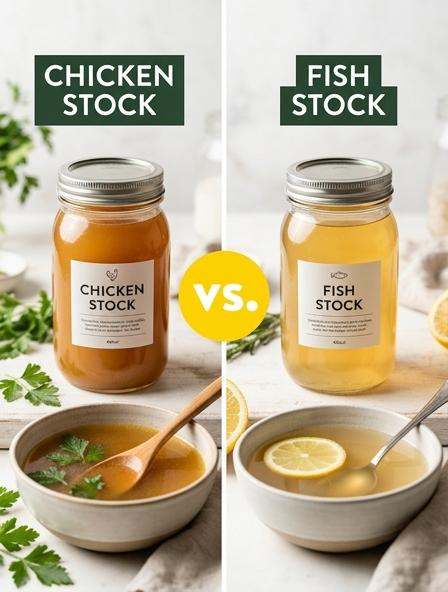
Nutritional profiles of land and sea foundations
Comparing chicken and fish stocks reveals distinct micronutrient densities dictated by their biological origins. Chicken stock, a land-based foundation, is celebrated for its high collagen and amino acid content, specifically glycine and proline, which are essential for gut integrity and joint recovery. In contrast, fish stock provides a marine-derived mineral profile, offering iodine and phosphorus-nutrients vital for thyroid health and metabolic regulation.
- Chicken Stock: High in marrow-derived minerals and long-chain proteins.
- Fish Stock: Rich in trace elements and healthy fats, with a faster nutrient extraction time.
While chicken stock is often the go-to for building a rich, hearty base for winter stews, many home cooks reach for fish stock when they want a light, mineral-dense liquid for poaching delicate white fish or simmering a quick Mediterranean bouillabaisse.
Variations in simmering durations for flavor development
The primary difference between chicken and fish stock lies in the structural density of the bones, which dictates the required simmering time for optimal flavor extraction. Chicken bones are rich in collagen and connective tissue, necessitating a prolonged heat application to convert proteins into gelatin, resulting in a full-bodied broth. In contrast, fish bones are delicate and lean, releasing their essence almost immediately.
- Chicken Stock: Requires 4 to 8 hours to achieve a deep, savory profile and rich mouthfeel.
- Fish Stock: Needs only 20 to 45 minutes; excessive boiling can lead to a bitter, cloudy, and overly "fishy" liquid.
While a chef might leave poultry bones to bubble slowly all afternoon for a restorative winter stew, home cooks often prefer the rapid extraction of a fish fumet when they need a bright, briny base for a quick weeknight seafood risotto.
Influence of protein origin on liquid mouthfeel
The distinct mouthfeel of stock is primarily dictated by the type and concentration of collagen extracted from animal connective tissues. Chicken stock is renowned for its rich, velvety viscosity. This is due to long-chain proteins from avian bones that transform into gelatin, providing a heavy, lip-smacking coating. In contrast, fish stock offers a lighter, cleaner body. Fish bones contain less dense collagen (ichthyocol) that melts at lower temperatures, resulting in a fluid that feels less weighted but more immediately "sticky" on the palate.
- Chicken Stock: High gelatin density and structural body.
- Fish Stock: Rapid protein breakdown and subtle silkiness.
Home cooks often prefer the deep, tongue-coating richness of a chicken demi-glace for hearty sauces, while seafood lovers prize the subtle, refreshing silkiness of a classic fumet in light broths.
Aroma profiles and their effect on meal perception
The olfactory signature of a stock dictates the initial sensory evaluation of any dish. Chicken stock offers a comforting, savory aroma characterized by "meat-sweet" notes and fatty richness. It signals heartiness, making it the standard for soul-warming stews. In contrast, fish stock (fumet) provides a brisk, oceanic scent that emphasizes freshness and salinity. Because fish bones release aromatics quickly, the scent remains light and volatile, whereas chicken's scent is deep and lingering.
These profiles significantly shift how a diner perceives the "weight" of a meal:
- Chicken Stock: Evokes warmth, satiety, and traditional comfort.
- Fish Stock: Suggests elegance, lightness, and a clean, coastal culinary experience.
You might choose the robust, poultry-scented steam of a classic chicken noodle soup on a rainy afternoon when you crave a meal that feels like a warm embrace.
Mineral density and health benefits for family cooking
Choosing between chicken and fish stock depends on your family's specific nutritional goals. Chicken stock is a traditional powerhouse for gut health, providing gelatin and collagen that support joint recovery and a strong immune system. Fish stock, however, excels in mineral density; it is an exceptional source of bioavailable iodine, calcium, and trace minerals essential for thyroid health and brain development.
- Chicken Stock: Rich in anti-inflammatory amino acids like glycine and proline.
- Fish Stock: Superior for metabolic support and thyroid-regulating minerals.
- Preparation: Fish stock offers a faster extraction of nutrients compared to long-simmered poultry bones.
Many home cooks prefer the 20-minute simmer time of a mineral-rich fish stock for quick Friday night seafood paellas, while relying on the deep, comforting minerals of a slow-cooked chicken bone broth to soothe the family during cold and flu season.
Storage stability and freezing characteristics of homemade liquids
Managing the shelf life of homemade stocks depends heavily on their protein and fat composition. Chicken stock, known for its high collagen content, offers greater storage stability than the more delicate fish stock.
- Chicken Stock: Remains fresh for 3 to 4 days in the refrigerator and maintains peak quality for up to 6 months when frozen.
- Fish Stock: Highly perishable due to volatile oils; it lasts only 1 to 2 days refrigerated and is best used within 2 to 3 months of freezing.
When frozen, chicken stock becomes a firm gel that protects against freezer burn, while fish stock remains more fluid and susceptible to oxidation. The robust flavors of poultry endure the freezing process much better than the subtle, briny notes of seafood, which can turn "fishy" if stored too long.
Home cooks love freezing chicken stock in ice cube trays for a quick flavor boost to pan sauces, while fish stock is best frozen in large batches for an immediate weekend bouillabaisse.
Budget impacts of utilizing different bone varieties
Analyzing the financial implications of bone selection is vital for maintaining a cost-effective kitchen. While both stock types utilize culinary byproducts, their economic profiles differ based on raw material sourcing and extraction time.
| Factor | Chicken Stock | Fish Stock |
|---|---|---|
| Ingredient Price | Low (Carcasses/Feet) | Minimal (Heads/Frames) |
| Energy Usage | Higher (4–6 hours) | Lower (30–45 minutes) |
| Yield Efficiency | High (Remouillage possible) | Moderate (Single-use) |
Chicken bones are widely available and offer high yields, but require significant fuel for long simmering periods. Conversely, fish frames are often available at a fraction of the cost from fishmongers and cook rapidly, reducing utility expenses. You can significantly lower your food costs by requesting discarded whitefish frames to create a high-end base for a mid-week seafood chowder.
Visual Clarity and Aesthetic Quality of Clear Bases
The visual appeal of a stock often dictates the final presentation of a dish. While both chicken and fish stocks aim for transparency, they offer distinct aesthetic profiles based on their protein structures and fat content.
- Chicken Stock: Characterized by a warm, golden-amber glow, it provides a rich visual foundation that suggests depth and heartiness.
- Fish Stock: Known for its crystalline, near-colorless appearance, it maintains a delicate, ethereal shimmer that highlights the natural colors of seafood.
To achieve maximum clarity, chefs prioritize gentle simmering and meticulous skimming to remove impurities. A perfectly clarified base acts as a liquid lens, showcasing the vibrant colors of vegetables or proteins submerged within the bowl. You will appreciate the pristine, glass-like finish of a strained fish fumet when serving a sophisticated poached sea bass, ensuring the delicate textures are the primary focus of the plate.
Pairing versatility with various vegetable profiles
The choice between chicken and fish stock often dictates the vegetable foundation of a dish. Chicken stock is celebrated for its immense versatility; its savory, neutral profile acts as a robust backbone for earthy root vegetables and starchy produce. In contrast, fish stock-or fumet-is more selective, requiring aromatics that complement its delicate, oceanic essence without overpowering it.
- Chicken Stock: Harmonizes with "heavy" vegetables like carrots, parsnips, potatoes, and kale.
- Fish Stock: Pairs best with "light" aromatics such as leeks, fennel, shallots, and celery.
While chicken stock can withstand the long simmering of a mirepoix, fish stock relies on quick-cooking, bright ingredients to maintain its clarity and avoid bitterness. Many home cooks love using chicken stock for a hearty autumnal squash soup, whereas gourmet chefs prefer a light fish stock to highlight the subtle sweetness of braised fennel in a seafood bouillabaisse.
Protein Concentration and Collagen Levels in Different Liquids
The nutritional density of stock is primarily determined by its collagen content, which converts into gelatin during the simmering process. Chicken stock typically boasts a higher protein concentration because it is derived from dense connective tissues and marrow-rich bones. This results in a viscous, body-heavy liquid that sets into a firm gel when chilled.
In contrast, fish stock (or fumet) utilizes bones and skins that are less mineralized, leading to a lighter protein profile and lower collagen levels. While fish stock extracts quickly, it lacks the intense structural thickness found in poultry-based alternatives.
| Stock Type | Collagen Level | Body/Texture |
|---|---|---|
| Chicken | High | Rich & Gelatinous |
| Fish | Low to Moderate | Light & Delicate |
You might reach for a collagen-rich chicken stock when building a hearty, rib-sticking stew, whereas a delicate fish stock is the preferred choice for a refined seafood paella that requires a clean finish.
Chicken Stock vs Fish Stock source and external links
- Chicken stock is a savory liquid prepared by simmering chicken bones and aromatics to serve as a foundational ingredient for many soups and sauces, such as this traditional Chicken Stock.
- Fish stock is a delicate and flavorful broth made from simmering fish bones and vegetables, commonly used as a base for seafood-based dishes like Fish Stock.