
Chicken Stock vs Clear Soup : Comparing Nutritional Profile, Culinary Performance, and Flavor Depth Differences
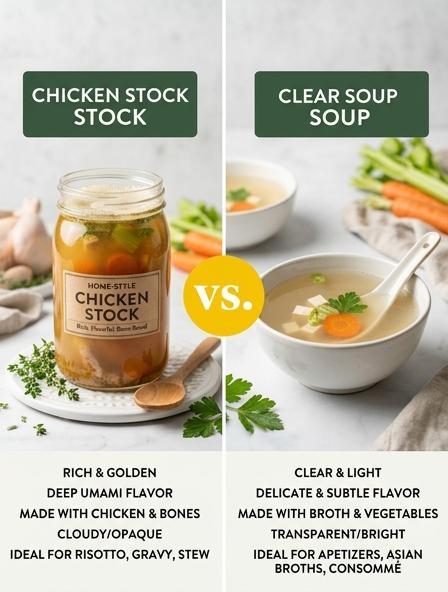
Nutritional Profile Comparison of Chicken Stock and Clear Soup
The nutritional value of chicken stock and clear soup depends largely on their extraction methods. Chicken stock is simmered for long periods using bones, which releases significant amounts of collagen, gelatin, and amino acids like glycine. This results in a more nutrient-dense liquid with higher protein content. In contrast, clear soup-often a seasoned broth made from meat or vegetables-tends to be lower in calories and fats, providing hydration without the heavy macronutrient load of a bone-based stock.
| Nutrient Focus | Chicken Stock | Clear Soup |
|---|---|---|
| Primary Benefit | Collagen & Minerals | Electrolytes & Hydration |
| Protein Content | Higher | Lower |
Home cooks often reach for a hearty chicken stock to add body to a restorative winter stew, whereas diners at a Japanese restaurant might prefer a delicate clear soup as a light, palate-cleansing starter.
Sodium Levels and Daily Cardiovascular Impact
Understanding the nutritional profile of chicken stock versus clear soup is vital for managing heart health. Chicken stock is a concentrated culinary base, which often results in a higher sodium density compared to clear soups. High salt intake is a primary contributor to hypertension and arterial stiffness, increasing the long-term risk of cardiovascular strain. While clear soups are typically more diluted, they can still harbor hidden salts depending on the preparation method.
- Chicken Stock: Often contains 800mg+ of sodium per cup, acting as a potent flavor enhancer.
- Clear Soup: Generally ranges between 400mg and 600mg of sodium, offering a lighter electrolyte balance.
To support a heart-healthy lifestyle, many home cooks prefer simmering a low-sodium clear soup with fresh herbs, providing a comforting, savory meal that satisfies the palate without the risk of a blood pressure spike.
Culinary Performance in Traditional Home Recipes
In traditional home cooking, the distinction between chicken stock and clear soup defines the final dish's texture and depth. Chicken stock serves as a nutrient-dense foundation, simmered with bones to extract collagen, which provides a velvety body to sauces and stews. Clear soup, however, is a finished preparation focused on transparency and light seasoning, often used as a palate cleanser or a restorative broth.
| Attribute | Chicken Stock | Clear Soup |
|---|---|---|
| Consistency | Rich and viscous | Thin and liquid |
| Flavor Focus | Deep and savory | Delicate and bright |
You might simmer a heavy stock for hours to create the perfect base for a Sunday pot roast, whereas you would choose a refined clear soup when serving a light, elegant starter that doesn't overwhelm the main course.
Protein and Collagen Density for Physical Wellness
The nutritional profile of chicken stock versus clear soup is defined by the extraction process. Stock is crafted by simmering bones and connective tissues for hours, which releases significant amounts of collagen and gelatin. This results in a liquid rich in amino acids essential for tissue repair. Conversely, clear soup is typically a strained broth focused on flavor and clarity, possessing far less protein density.
- Chicken Stock: High collagen levels support joint health, gut integrity, and skin elasticity.
- Clear Soup: Provides hydration and light minerals but contains minimal structural proteins.
Because stock undergoes longer cooking times, it provides a concentrated source of bioavailable nutrients that promote physical recovery. While clear soup cleanses the palate, stock serves as a functional foundation for structural wellness.
You might choose a dense chicken stock as a nutrient-rich base for a recovery meal after an intense workout, or serve a delicate clear soup as a light, hydrating starter before a heavy dinner.
Flavor Depth and Mouthfeel in Savory Liquid Bases
The distinction between chicken stock and clear soup lies primarily in the extraction of proteins and minerals. Chicken stock is celebrated for its rich mouthfeel, a result of simmering bones for extended periods to convert collagen into gelatin. This process creates a viscous, "sticky" quality that adds body to culinary foundations. In contrast, clear soup, such as a broth or consommé, is often meat-based and filtered for purity. It prioritizes aromatic clarity and a thin, refreshing texture over density.
- Stock: High gelatin content, intense body, and cloudy appearance.
- Clear Soup: Light viscosity, transparent finish, and delicate seasoning.
You might reach for a robust, gelatinous stock to give your homemade gravy a silky texture, while a crystal-clear broth is exactly what people crave when seeking a light, soothing starter that doesn't overwhelm the palate.
Caloric Density and Weight Management Factors
When comparing chicken stock and clear soup for weight management, the primary distinction lies in their nutrient concentration and fat content. Chicken stock is a nutrient-dense liquid derived from simmering bones, which often contains higher levels of collagen and amino acids. While healthy, it may carry more residual calories if the animal fats are not fully skimmed.
Clear soup, conversely, is the epitome of low-caloric density. It is typically a clarified version of stock or a diluted broth that prioritizes hydration and volume over caloric thickness. Both options are excellent for those seeking a calorie deficit because they provide savory satisfaction with minimal impact on daily energy totals.
- Chicken Stock: Higher protein and mineral content; provides greater satiety.
- Clear Soup: Lowest calorie option; ideal for volume eating and appetite suppression.
You might enjoy starting your evening meal with a bowl of clear soup to naturally curb your hunger and prevent overeating during the main course.
Impact on Digestive Health and Gut System Wellness
The distinction between chicken stock and clear soup lies in their nutrient density and therapeutic effects on the gastrointestinal tract. Chicken stock, brewed with bones for extended periods, is a powerhouse of gelatin and collagen. These compounds are essential for strengthening the intestinal lining and supporting a healthy gut barrier. In contrast, clear soup offers a lighter, low-residue option that provides immediate hydration without taxing the digestive organs.
- Glutamine: Found abundantly in stock, this amino acid helps repair the gut mucosa and reduces inflammation.
- Bioavailable Minerals: Both liquids provide electrolytes that maintain fluid balance and support metabolic function.
- Digestibility: Clear soups are ideal for acute recovery, while stocks offer long-term microbiome support.
While clear soup provides gentle hydration during a bout of the flu, stock serves as a functional "superfood" for chronic conditions. You might reach for a warm mug of collagen-rich chicken stock as a soothing daily ritual to help restore your gut health after a cycle of heavy antibiotics or intense digestive stress.
Storage Stability and Preservation for Home Kitchens
Maintaining the quality of chicken stock and clear soup requires understanding their different compositions. Chicken stock is rich in proteins and gelatin, making it highly nutritious but also more susceptible to spoilage if not cooled quickly. Clear soups, which are often salted and thoroughly strained, may remain stable slightly longer in the refrigerator due to the lack of solid particulates.
- Refrigeration: Both should be stored in airtight containers for no more than 3 to 4 days.
- Freezing: For long-term preservation, freeze in silicone molds or heavy-duty bags for up to 6 months.
- Safety Tip: Always bring stored liquids to a rolling boil before consumption to ensure food safety.
Home cooks love freezing concentrated stock in ice cube trays, allowing them to pop out a single "flavor bomb" to instantly enrich a quick weekday pan sauce or risotto.
Visual Clarity and Texture in Professional Meal Presentation
In high-end gastronomy, the distinction between chicken stock and clear soup is defined by transparency and mouthfeel. While both are derived from simmering poultry, they serve different roles in professional presentation:
| Feature | Chicken Stock | Clear Soup (Consommé) |
|---|---|---|
| Visuals | Translucent to opaque; contains residual proteins. | Crystal clear and jewel-like; perfectly clarified. |
| Texture | Viscous and mouth-coating due to gelatin. | Light, clean, and refined on the palate. |
Stock is primarily a functional foundation used to add body and depth to other dishes. In contrast, a clear soup is a finished product where clarity represents technical mastery. Professional chefs utilize clarification techniques-such as an egg-white "raft"-to remove every impurity, ensuring the liquid sparkles under dining room lights. Food enthusiasts particularly enjoy a pristine consommé when they want to experience intense savory flavors without the heavy, lingering richness of a standard bone broth.
Impact on the Final Flavor Profile of Grains and Vegetables
The choice between chicken stock and clear soup fundamentally alters the character of your grains and vegetables. Chicken stock, rich in gelatin and lipids, infuses ingredients like jasmine rice or quinoa with deep umami and a velvety mouthfeel. This savory base acts as a flavor enhancer, glazing root vegetables in a dense, hearty coating. Conversely, a clear soup offers a lighter, more transparent profile. It allows the natural sweetness of spring vegetables and the delicate nuttiness of grains to shine without the heavy protein overtones found in traditional stocks.
- Chicken Stock: Best for rich, savory depth and creamy textures.
- Clear Soup: Ideal for maintaining ingredient integrity and a clean finish.
You might prefer simmering a comforting pilaf in robust chicken stock for a heavy winter meal, but opt for a clear soup when you want the vibrant, crisp snap of fresh garden greens to take center stage.
Chicken Stock vs Clear Soup source and external links
- Chicken Stock is a savory liquid base prepared by simmering chicken bones and aromatics to extract rich flavors and collagen for use in various recipes.
- Clear Soup is a transparent, flavorful broth that has been thoroughly strained to remove all solid particles, resulting in a light and refined starter.