
Celery Salt vs Regular Salt: Which is Best for Heart Health, Savory Umami, and Nutritional Value?
Sodium Content and Heart Health Impact
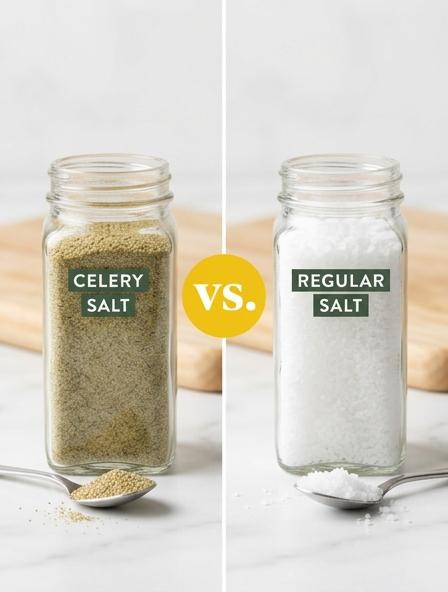
Understanding the distinction between celery salt and regular table salt is crucial for cardiovascular wellness. Table salt is nearly 100% sodium chloride, whereas celery salt is a blend of ground celery seeds and salt. This mixture typically results in a lower sodium concentration per teaspoon compared to pure salt, though it remains a high-sodium seasoning that requires moderation.
- Table Salt: Contains approximately 2,300mg of sodium per teaspoon.
- Celery Salt: Generally contains 1,100mg to 1,600mg of sodium per teaspoon, depending on the seed-to-salt ratio.
While celery seeds offer small amounts of antioxidants like apigenin, the primary health concern remains total sodium intake, which is linked to hypertension. Choosing celery salt can slightly reduce sodium consumption if used as a direct volume replacement. Home cooks often reach for celery salt when preparing a classic Bloody Mary or seasoning a Chicago-style hot dog to achieve that signature savory depth without the harshness of plain crystals.
Flavor Profile Differences in Everyday Cooking
While regular salt is a pure mineral used to intensify the natural flavors of ingredients, celery salt serves as a seasoning blend that adds an entirely new dimension. Regular salt provides a sharp, clean saltiness essential for basic chemical balancing. Celery salt, however, mixes table salt with ground celery seeds, offering an earthy, slightly bitter, and savory aromatic profile often associated with umami.
| Feature | Regular Salt | Celery Salt |
|---|---|---|
| Taste | Neutral Saltiness | Herbal & Savory |
| Aroma | None | Mildly Peppery |
Many backyard chefs reach for celery salt instead of the standard shaker when seasoning a Chicago-style hot dog or mixing a creamy coleslaw to provide that unmistakable, savory punch that guests love.
Nutritional Value and Mineral Density
The primary difference in nutritional value lies in the composition of the two seasonings. Regular table salt is almost entirely sodium chloride, serving as a concentrated source of sodium but offering negligible micronutrients. Celery salt, however, blends salt with ground celery seeds, which introduces a variety of plant-based minerals into the mix.
- Regular Salt: High sodium density; typically 2,300mg per teaspoon.
- Celery Salt: Slightly lower sodium by volume; contains trace amounts of calcium, iron, and manganese.
- Phytochemicals: Celery seeds contribute antioxidants and apigenin, which are absent in standard salt.
While the sodium content remains the dominant factor in both, the inclusion of dried seeds provides a more complex mineral profile. You might find yourself reaching for celery salt when preparing a classic Chicago-style hot dog or a vibrant Bloody Mary to enjoy that distinct, earthy punch of flavor that regular salt lacks.
Effectiveness in Brining and Food Preservation
Regular salt is the industry standard for brining because its pure sodium chloride content creates the high osmotic pressure necessary to inhibit spoilage and retain moisture. Celery salt is a mixture-typically two parts salt to one part ground celery seed-making it less potent for pure preservation by weight. However, celery salt contains natural nitrates from the seeds, which act as a curing agent to maintain meat color and flavor profile.
- Regular Salt: Best for high-volume brining and basic fermentation where pure salinity is required.
- Celery Salt: Ideal for short-term curing and adding complex aromatics to savory proteins.
Because celery salt is diluted, substituting it 1:1 for regular salt may result in under-salted food and inadequate preservation. You might choose regular salt for a standard poultry brine, but reach for celery salt when crafting homemade hot dogs or cured sausages to achieve that signature savory finish.
Aroma and Scent in Fresh Vegetable Dishes
The olfactory difference between celery salt and regular salt significantly alters the profile of fresh vegetable dishes. While regular salt is essentially odorless, functioning purely as a flavor enhancer to sharpen existing tastes, celery salt carries a potent, herbal fragrance. This distinct aroma stems from ground celery seeds, which release earthy, grassy, and slightly peppery notes that engage the senses before the first bite.
When deciding between the two, consider the intended sensory impact:
- Regular Salt: Best for a clean, neutral finish that allows the vegetable's natural sweetness to remain the focal point.
- Celery Salt: Ideal for adding a "garden-fresh" aromatic layer and a savory depth that mimics the scent of crisp stalks.
Home chefs often prefer a light dusting of celery salt over a chilled tomato and cucumber salad to provide that classic, savory aroma found in high-end artisanal delis.
Dissolving Speed and Texture in Cold Recipes
In cold culinary applications, the primary difference lies in solubility. Regular salt consists of pure sodium chloride crystals that dissolve relatively quickly in liquids like vinegar, citrus juice, or water. Celery salt, however, is a physical blend of table salt and ground celery seeds. While the salt portion will eventually disappear, the pulverized celery seeds are insoluble plant matter that will never fully dissolve, regardless of temperature.
| Feature | Regular Salt | Celery Salt |
|---|---|---|
| Solubility | High/Complete | Partial (Seeds remain) |
| Texture | Smooth Mouthfeel | Fine Herbaceous Grit |
You might prefer the subtle, savory crunch of celery salt when seasoning a chilled potato salad or rimming a spicy Bloody Mary to add a signature layer of textural complexity.
Impact on Savory Umami Notes
While regular salt is a pure mineral used to sharpen and intensify existing flavors, celery salt introduces a complex botanical dimension to the palate. Regular salt works by suppressing bitterness and highlighting sweetness, but it lacks intrinsic savory depth. In contrast, celery salt leverages the natural nitrates and phthalides found in ground celery seeds, which act as a potent umami bridge.
- Regular Salt: Enhances clarity and brightness of primary ingredients without adding its own flavor.
- Celery Salt: Provides a rich, herbal undertone that mimics the savoriness found in cured meats.
This chemical synergy makes celery salt a versatile flavor catalyst rather than just a seasoning. Many home cooks reach for a dash of celery salt when finishing a classic lobster roll or mixing a Bloody Mary to provide that secret, soulful depth that plain table salt simply cannot replicate.
Long Term Wellness and Daily Sodium Intake
Prioritizing long-term wellness requires a strategic approach to daily sodium consumption. While regular table salt is pure sodium chloride, celery salt is a flavorful blend of ground celery seeds and salt. This composition is significant for health-conscious individuals because the celery seed occupies volume, naturally resulting in less sodium per teaspoon compared to standard table salt.
- Regular Salt: High-density sodium; essential in moderation but linked to hypertension when overconsumed.
- Celery Salt: Provides a lower sodium-to-volume ratio and contains antioxidants like apigenin from the seeds.
Monitoring your intake of both is crucial for cardiovascular health and maintaining healthy blood pressure levels. While celery salt offers a minor reduction in sodium, it still contributes to your daily limit, which health organizations typically cap at 2,300mg.
Many food enthusiasts love using celery salt to season a classic Chicago-style hot dog or a Bloody Mary, providing that iconic savory punch while slightly reducing the overall salt load of the dish.
Visual Appeal and Plating Aesthetics
The choice between celery salt and regular salt significantly impacts the final look of a dish. Regular salt, whether fine or flaky, is essentially invisible once it dissolves, maintaining the original colors of your ingredients. Celery salt, however, is a blend of salt and ground celery seeds, introducing a speckled, herbaceous aesthetic to the plate.
- Regular Salt: Ideal for a clean, minimalist presentation where the seasoning should be tasted but not seen.
- Celery Salt: Adds a rustic charm with tiny brown and green flecks that signal a complex, savory flavor profile.
Many enthusiasts prefer dusting celery salt over a classic Chicago-style hot dog to provide that iconic, speckled look that distinguishes it from a standard ballpark frank.
Natural Composition and Ingredient Processing
Regular salt is primarily sodium chloride, a mineral harvested from underground mines or through seawater evaporation. During processing, it is typically refined to remove trace minerals and treated with anti-caking agents to ensure a free-flowing texture. In contrast, celery salt is a functional blend. It is created by combining fine-grained table salt with crushed celery seeds or dried celery oleoresin.
- Regular Salt: Purely mineral-based, focusing on high-purity salinity and neutral flavor.
- Celery Salt: A botanical hybrid containing plant-derived nitrates, antioxidants, and organic aromatics.
While regular salt provides a sharp, neutral salty punch, the addition of ground seeds introduces a complex, bitter-sweet undertone to the mixture. Enthusiasts often prefer celery salt when seasoning a Chicago-style hot dog or a classic Bloody Mary to achieve that signature savory depth that plain table salt simply cannot replicate.
Celery Salt vs Regular Salt source and external links
- Often used to flavor savory cocktails and coleslaw, celery salt is a seasoned blend of ground celery seeds and table salt.
- Primarily composed of sodium chloride, regular salt is a fundamental mineral used worldwide as a versatile seasoning and food preservative.