
Calabaza Squash vs Zucchini: Comparing Texture, Nutritional Value, and Culinary Application Differences.
Textural Differences and Heat Stability During Preparation
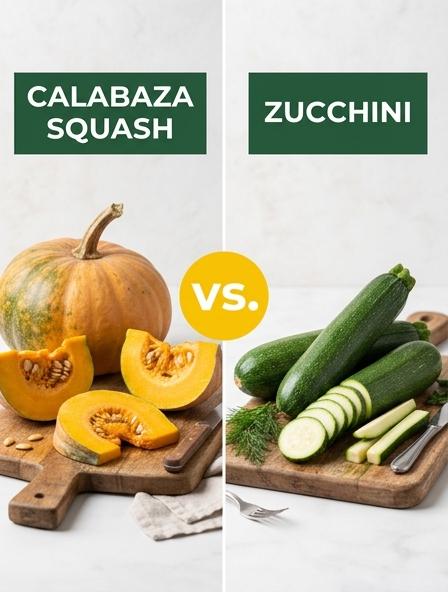
Choosing between calabaza squash and zucchini depends largely on your cooking method and desired consistency. Calabaza is a dense, starchy winter squash characterized by its remarkable heat stability; it retains its structural integrity even during prolonged boiling or roasting. In contrast, zucchini is a high-moisture summer squash with a tender skin and soft flesh that breaks down quickly when exposed to high heat.
| Feature | Calabaza Squash | Zucchini |
|---|---|---|
| Density | Firm and starchy | Soft and porous |
| Heat Stability | High (maintains shape) | Low (becomes mushy) |
While zucchini is ideal for quick sautés or raw salads, home cooks prefer using diced calabaza in long-simmering Caribbean stews where it absorbs rich flavors while providing a satisfying, firm bite that won't disintegrate into the broth.
Nutritional Values and Micronutrient Content for Families
Comparing calabaza squash and zucchini reveals distinct nutritional profiles tailored for family wellness. Calabaza, a tropical winter squash, is a powerhouse of Vitamin A (as beta-carotene), which is essential for supporting a child's vision and immune system. In contrast, zucchini offers a lighter, hydrating alternative rich in Vitamin B6 and folate, crucial for energy metabolism and cell growth.
- Calabaza: High in dietary fiber and potassium, aiding in digestion and heart health.
- Zucchini: Low-calorie and high in Vitamin C, promoting rapid tissue repair and collagen production.
While calabaza provides the dense carbohydrates needed for active toddlers, zucchini serves as an excellent low-glycemic vegetable for daily meal prep. You can roast hearty calabaza chunks for a traditional Sunday stew or grate fresh zucchini into breakfast muffins for a hidden nutrient boost that even the pickiest eaters will enjoy.
Moisture Retention and Liquid Release in Home Recipes
The primary difference in culinary performance between calabaza squash and zucchini lies in their water content. Zucchini is composed of nearly 95% water, causing it to release significant moisture and shrink rapidly when heated. This often requires chefs to salt or pre-drain the vegetable to prevent soggy textures in fritters or bakes. Conversely, calabaza is a denser, starchier variety that retains its structural integrity, absorbing surrounding flavors rather than thinning out sauces.
| Feature | Zucchini | Calabaza |
|---|---|---|
| Moisture Profile | High liquid release | Excellent retention |
| Cooked Texture | Soft/Tender | Firm/Creamy |
You might choose calabaza when slow-simmering a hearty Caribbean stew to ensure the chunks remain intact, whereas zucchini is what you grab for a quick summer sauté where its natural juices create a light, instant glaze.
Flavor Intensity and Natural Sugar Levels
The primary distinction between Calabaza squash and zucchini is found in their flavor depth and glycemic profiles. Calabaza, a staple in Caribbean and tropical cuisines, offers a potent, nutty sweetness reminiscent of a traditional pumpkin. Its higher natural sugar levels lead to a rich caramelization during high-heat cooking. In contrast, zucchini features a much higher water content and a significantly milder, more vegetal taste, making it an ideal "blank canvas" for various seasonings.
- Calabaza Squash: Dense, sweet, and earthy flavor profile with low moisture.
- Zucchini: Light, neutral, and slightly grassy flavor profile with high moisture.
While chefs love using roasted Calabaza to provide a natural sweetness to savory stews, many home bakers prefer adding grated zucchini to chocolate cakes to ensure a moist texture without altering the dessert's intended flavor.
Caloric Differences and Impact on Satiety
Understanding the caloric density of Calabaza squash versus zucchini is essential for effective meal planning. Zucchini is incredibly hydrating and low in energy, containing roughly 17 calories per 100g. In contrast, Calabaza is a starchier, more nutrient-dense winter squash, providing approximately 35 to 45 calories for the same portion size. This difference significantly dictates how long you remain satiated after eating.
- Zucchini: High water content, ideal for volume eating without adding significant calories.
- Calabaza: Higher fiber and complex carbohydrate content, leading to a slower digestive process.
While zucchini is perfect for a light refreshment, the dense texture of Calabaza offers superior satiety by stabilizing blood sugar levels. Many home cooks prefer using hearty Calabaza chunks in a slow-simmered Caribbean stew to keep the family full all evening, whereas they opt for spiralized zucchini when they want a guilt-free, low-carb pasta alternative for a quick lunch.
Physical Characteristics and Skin Texture Variations
Understanding the physical differences between Calabaza squash and zucchini is essential for proper identification. Zucchini is recognized by its elongated, cylindrical shape and soft, edible skin that varies from dark forest green to vibrant yellow. Conversely, Calabaza is a large, globe-like squash characterized by a thick, protective rind that is often buff-colored or mottled with green patches.
| Feature | Zucchini | Calabaza Squash |
|---|---|---|
| Skin Texture | Thin, smooth, and tender | Hard, thick, and warty |
| Typical Shape | Long and slender | Round, oval, or pear-shaped |
Health-conscious foodies love slicing thin rounds of zucchini for a raw summer salad, while traditional chefs prefer peeling the tough Calabaza skin to reveal the dense orange flesh perfect for a hearty Caribbean stew.
Carbohydrate Profiles and Glycemic Impact
The primary distinction between Calabaza squash and zucchini lies in their starch density and moisture content. Zucchini, a summer squash, is composed of approximately 95% water, resulting in an extremely low carbohydrate count and a negligible glycemic load. In contrast, Calabaza is a starchier winter squash that contains higher concentrations of complex carbohydrates and natural sugars.
| Nutrient (per 100g) | Zucchini | Calabaza |
|---|---|---|
| Total Carbohydrates | ~3.1g | ~9.2g |
| Dietary Fiber | ~1.0g | ~2.1g |
| Glycemic Impact | Very Low | Low to Moderate |
While Calabaza has a higher glycemic index than zucchini, its rich fiber content slows glucose absorption. This makes it a superior "slow-carb" option compared to refined starches, providing sustained energy levels without the sharp insulin spikes associated with processed foods.
You might choose grilled zucchini slices for a keto-friendly summer BBQ, but opt for savory roasted Calabaza chunks when you want a satisfying, energy-dense base for a fall harvest bowl.
Storage Longevity and Freshness Maintenance
The primary difference in storage between Calabaza squash and zucchini is determined by their skin thickness and moisture content. As a winter squash, Calabaza features a hard, protective rind that enables it to remain fresh for several weeks, or even months, when kept in a cool, dry pantry. Conversely, zucchini is a summer squash with thin, edible skin and high water content, making it highly perishable and prone to wilting within a week.
- Calabaza: Store whole at room temperature (50-60°F) away from direct sunlight.
- Zucchini: Keep unwashed in a perforated plastic bag inside the refrigerator crisper drawer.
To maximize freshness, avoid washing either variety until you are ready to cook. Home chefs often appreciate the Calabaza for its ability to wait patiently in the pantry for a mid-winter stew, whereas they grab crisp zucchini from the fridge for a quick, seasonal summer stir-fry.
Digestive Benefits and Dietary Fiber Comparison
Both Calabaza squash and zucchini are powerhouses for gut health, offering essential dietary fiber that aids in regular digestion. Calabaza squash is slightly more starch-heavy and dense, providing a significant amount of soluble fiber which helps stabilize blood sugar and keeps you feeling full longer. Zucchini, on the other hand, boasts a very high water content alongside its fiber, which is vital for preventing constipation and flushing the digestive tract.
| Feature | Calabaza Squash | Zucchini |
|---|---|---|
| Fiber Content | High (approx. 2.5g per cup) | Moderate (approx. 1.2g per cup) |
| Main Benefit | Sustained satiety | Hydration and motility |
You might find that cubing Calabaza into a hearty autumn stew provides the bulk needed for a healthy colon, while thinly slicing zucchini into a raw summer salad offers a refreshing, hydrating boost that people love for quick, light digestion.
Functional Differences in Boiling Sautéing and Roasting
Calabaza squash and zucchini offer distinct culinary profiles based on their moisture content and structural density. Calabaza, a firm winter squash, possesses a starchy flesh that holds its shape under intense heat. In contrast, zucchini is a summer squash with high water content, leading to a much faster breakdown during cooking.
- Boiling: Calabaza is ideal for hearty stews as it remains intact; zucchini often becomes translucent and mushy if boiled for more than a few minutes.
- Sautéing: Zucchini browns quickly in a hot pan for a tender-crisp texture, while calabaza requires smaller pieces or a longer cook time to soften properly.
- Roasting: Roasting calabaza caramelizes its natural sugars into a creamy, nutty delight, whereas roasted zucchini provides a light, savory char.
You might enjoy slow-simmering chunks of calabaza in a traditional Caribbean pumpkin soup, while many home cooks prefer flash-frying sliced zucchini with garlic for a fast, healthy side dish.
Calabaza Squash vs Zucchini source and external links
- Often referred to as the West Indian pumpkin, Calabaza squash is a versatile winter variety with a sweet, nutty flavor profile.
- Known for its smooth green skin and tender flesh, zucchini is a popular summer squash used in a wide range of culinary dishes.