
Calabaza Squash vs Sweet Squash: Are They The Same? Nutritional Profiles, Cooking Performance, and Flavor Intensity.
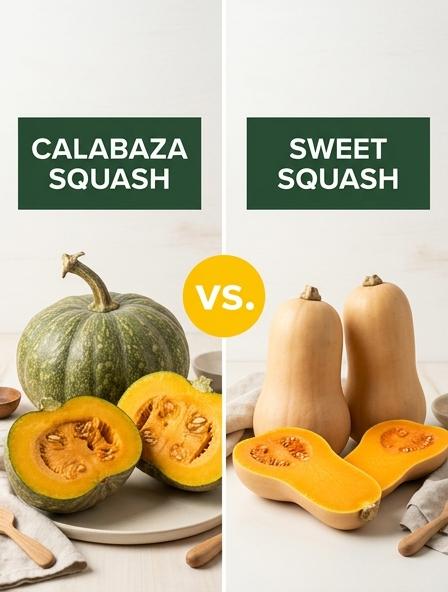
Calabaza and Sweet Squash Vitamin and Mineral Content
Comparing the nutritional density of Calabaza and sweet squash reveals that both are exceptional sources of essential micronutrients. These varieties are primarily celebrated for their high beta-carotene content, which the body converts into Vitamin A to support vision and immune function. While they share similar profiles, Calabaza often leads in potassium levels, whereas sweet squash varieties provide significant amounts of iron and magnesium.
- Vitamin A: Essential for eye health and skin cell regeneration.
- Vitamin C: A vital antioxidant found in Calabaza that supports collagen production.
- Potassium: Helps regulate fluid balance and nerve signals.
- Dietary Fiber: Both squashes provide complex carbohydrates that aid in digestive health.
Beyond basic nutrition, these squashes contain phytonutrients that help reduce inflammation throughout the body. Many home cooks love roasting sweet squash cubes to toss into kale salads, providing a creamy texture and a natural nutrient boost that perfectly balances savory dressings.
Texture Performance During High Heat Roasting
High-heat roasting highlights the structural divergence between Calabaza and denser sweet squash varieties. Calabaza, characterized by its high moisture content, tends to soften significantly under intense heat, often developing a silky, succulent interior. In contrast, sweet squashes like Kabocha or Sugar Pie pumpkins possess lower moisture and higher starch levels, allowing them to maintain a structural "bite" while achieving deep caramelization through the Maillard reaction.
- Calabaza: Becomes velvety and tender, though it may lose its shape if roasted beyond its peak.
- Sweet Squash: Develops a concentrated, floury texture with desirable, crispy charred edges.
Imagine pulling a tray from the oven where the sweet squash has transformed into golden, candy-like nuggets that provide a firm, nutty contrast to a fresh arugula and feta salad.
Natural Sugar and Flavor Intensity Differences
The primary distinction between Calabaza and varieties labeled as "sweet squash" lies in their sugar concentration and palate profile. Calabaza, often called West Indian Pumpkin, offers a mild, nutty sweetness with earthy undertones and a firm, melon-like texture. In contrast, sweet squashes-such as Kabocha or Buttercup-boast a much higher glycemic concentration, resulting in a rich, dessert-like intensity and a starchy, chestnut-colored flesh.
- Calabaza: Balanced, subtle sweetness that complements savory spices and garlic.
- Sweet Squash: Concentrated natural sugars with a buttery, velvety finish.
Because of these differences, chefs typically use the mellow Calabaza to bulk up hearty Caribbean stews, while home bakers prefer the intense sweetness of Kabocha for a naturally sugary, crustless pumpkin custard.
Dietary Fiber and Digestive Health Impact
Both calabaza and sweet squash varieties are exceptional sources of dietary fiber, which is essential for maintaining optimal gastrointestinal function and metabolic health. While calabaza provides a steady supply of insoluble fiber to promote regularity, sweet squashes-such as butternut or kabocha-often boast a slightly higher concentration of soluble fiber, which aids in slowing digestion and stabilizing blood sugar levels.
- Calabaza Squash: Supports stool bulk and efficient waste removal through the colon.
- Sweet Squash: Enhances satiety and feeds beneficial gut bacteria for a balanced microbiome.
The high fiber content in both varieties naturally reduces the risk of bloating and constipation by ensuring a healthy digestive flow. Many health-conscious home cooks prefer roasting a large batch of sweet squash for a fiber-rich weekday meal prep, ensuring their family enjoys a delicious way to stay regular and energized throughout a busy school week.
Consistency and Thickness in Vegetable Soups
Choosing between calabaza squash and sweet squash significantly impacts the final body of your soup. Calabaza squash, often found in Caribbean cooking, has a firm texture that softens beautifully while retaining enough structure to provide a hearty, rustic feel. Sweet squash varieties, such as Kabocha or sugar pumpkins, are notably denser with a lower moisture content, creating a velvety, flour-like consistency when blended.
| Squash Type | Starch Content | Soup Consistency |
|---|---|---|
| Calabaza | Moderate | Hearty and melting |
| Sweet Squash | High | Thick and creamy |
Calabaza is ideal for chunky stews where you want the vegetable to meld into the broth, whereas sweet squash acts as a natural thickener for smooth bisques. You will love slow-simmering calabaza in a traditional West Indian pumpkin soup where it partially dissolves to create a naturally rich, golden base that coats every spoon.
Peeling Effort and Preparation Time Analysis
When comparing Calabaza squash to various sweet squash varieties, the physical effort required for preparation is a primary differentiator. Calabaza squash is notorious for its exceptionally thick, woody rind. This "armored" exterior often necessitates a heavy chef's knife or a mallet to safely puncture, significantly extending preparation time compared to thinner-skinned gourds. Its large, irregular shape further complicates stabilization on the cutting board.
In contrast, sweet squash varieties-such as Kabocha or Buttercup-possess dense skins but are generally more compact. This smaller scale allows for better leverage during peeling and slicing. While both require more work than summer squash, the time investment differs based on skin toughness and fruit size:
- Calabaza: Highest effort; requires heavy tools and significant physical strength.
- Sweet Squash: Moderate effort; manageable with a standard sharp peeler or knife.
You might choose the manageable sweet squash for a quick weeknight roast, while reserving the labor-intensive Calabaza for large-batch weekend stews where its rich flavor outweighs the peeling struggle.
Starch Composition and Glycemic Response
The nutritional profile of Calabaza versus sweet squash varieties, such as Kabocha, is largely defined by their carbohydrate architecture. Calabaza squash possesses a higher water-to-starch ratio and a significant amount of dietary fiber, which contributes to a moderate glycemic index. In contrast, sweet squashes are prized for their high starch density and natural sugars, which typically result in a more rapid glycemic response when consumed.
- Calabaza Squash: Features complex polysaccharides that promote steady glucose levels.
- Sweet Squash: Contains higher amylopectin levels, providing a quicker source of energy but a higher glycemic load.
Cooking methods further influence these effects, as roasting concentrates sugars more than steaming does. Health-conscious home cooks often prefer tossing roasted Calabaza cubes into a Mediterranean grain bowl to enjoy a hearty, low-glycemic texture that keeps them feeling full and energized without the mid-afternoon sugar crash.
Shape Retention in Long Duration Braising
When braising for extended periods, the structural integrity of the vegetable is paramount. Calabaza squash is prized for its thick, firm flesh that resists collapsing into a puree even after hours of simmering. While it eventually softens to a buttery consistency, it maintains a distinct cube shape better than many "sweet squash" varieties. Sweet squashes, such as Honeynut or smaller sugar pumpkins, tend to have a higher sugar-to-starch ratio, causing their cell walls to break down faster under moist heat.
| Squash Type | Braising Durability | Texture Outcome |
|---|---|---|
| Calabaza | High | Stays intact, absorbs broth |
| Sweet Squash | Moderate to Low | Softens quickly, thickens sauce |
Home cooks often choose Calabaza for traditional Caribbean stews where they want large, intact chunks of squash to soak up the savory broth alongside slow-cooked meats.
Moisture Levels and Baking Results
The primary difference between Calabaza and sweet squash lies in their cellular structure and water retention. Calabaza squash, often called West Indian pumpkin, possesses a high moisture content. When baked, it tends to soften significantly, sometimes becoming watery if not roasted at high temperatures to evaporate excess liquid. In contrast, sweet squash varieties, such as Kabocha or Buttercup, are prized for their dense, starchy flesh and low water activity.
- Calabaza: Yields a lighter, more fibrous puree; best for moist cakes or stews.
- Sweet Squash: Produces a thick, velvety paste; ideal for dense pies and custards.
For bakers, these moisture levels dictate the final crumb of the dish. While Calabaza may require straining to avoid a soggy bottom, sweet squash provides a natural creaminess that holds its shape under heat. You will find that roasting a sweet squash is the secret to a rich, concentrated filling that doesn't weep, making it the favorite choice for a professional-grade holiday pumpkin pie.
Storage Stability and Shelf Life Comparison
When comparing the storage stability of Calabaza and sweet squash, the thickness of the rind is the primary factor in determining longevity. Calabaza squash is specifically prized for its durability, often outlasting many sweet squash varieties due to its dense, wood-like protective skin.
| Squash Variety | Average Shelf Life | Best Storage Environment |
|---|---|---|
| Calabaza Squash | 2–4 Months | Cool, dry, and dark |
| Sweet Squash | 1–2 Months | Well-ventilated pantry |
To maximize freshness, both types should be kept away from direct sunlight and moisture. While sweet squash varieties like Kabocha may begin to lose their firm texture after eight weeks, Calabaza remains resilient for nearly an entire season. You might choose to keep a whole Calabaza as a reliable pantry staple for months, ready to be sliced whenever you need a hearty addition to a slow-cooked winter stew.
Calabaza Squash vs Sweet Squash source and external links
- Calabaza squash is a versatile, round winter squash frequently used in Caribbean and Latin American dishes for its firm, sweet flesh. Calabaza Squash
- Prized for its high sugar content and creamy texture when roasted, sweet squash typically refers to winter varieties like Kabocha or Delicata. Sweet Squash