
Calabaza Squash vs Sweet Potato: Which is Best for Nutrition, Flavor, and Weight Loss?
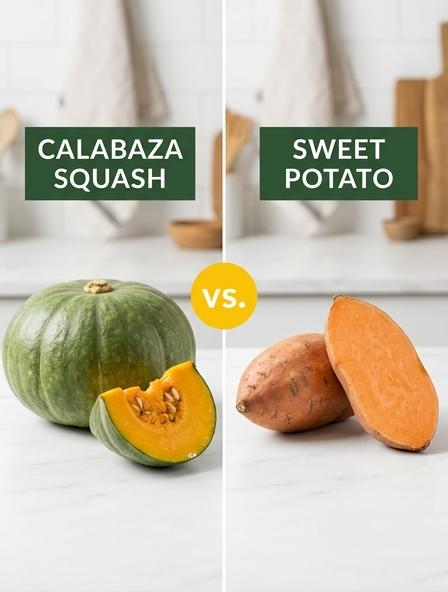
Nutritional Density of Calabaza Squash and Sweet Potato
Comparing the nutritional density of calabaza squash and sweet potatoes reveals two nutrient-dense profiles rich in beta-carotene and dietary fiber. While both serve as excellent sources of Vitamin A, their caloric and carbohydrate concentrations vary significantly, impacting their metabolic efficiency.
| Nutrient Profile | Calabaza Squash | Sweet Potato |
|---|---|---|
| Caloric Density | Lower (approx. 35 kcal/100g) | Higher (approx. 86 kcal/100g) |
| Primary Benefits | Hydration & Vitamin C | Energy & Potassium |
Calabaza is highly hydrating and ideal for volume eating, whereas sweet potatoes offer superior concentrations of Vitamin B6 and manganese for sustained energy. You might reach for calabaza when crafting a light, low-glycemic autumn soup, or swap it for a sweet potato when you need a robust, high-energy fuel source to power through an intense afternoon of physical activity.
Cooking performance of Calabaza Squash and Sweet Potato
While both are culinary staples, Calabaza squash and sweet potatoes behave differently under heat due to their moisture levels and starch content. Calabaza, often called West Indian pumpkin, features a firm, waxy flesh that maintains its structural integrity during long simmering processes. In contrast, sweet potatoes are starch-dense, causing them to soften and become creamy or fluffy when cooked.
| Attribute | Calabaza Squash | Sweet Potato |
|---|---|---|
| Texture | Firm and moist | Starchy and creamy |
| Best Method | Braising and soups | Roasting and mashing |
Calabaza excels in wet-heat environments, absorbing surrounding flavors without disintegrating. Sweet potatoes perform best with dry-heat methods like roasting, where their high sugar content allows for deep caramelization and a crispy exterior. You will likely reach for the calabaza when preparing a traditional Caribbean "sancocho" stew, whereas the sweet potato remains the top choice for a silky, oven-baked side dish.
Flavor profiles of Calabaza Squash and Sweet Potato
While both ingredients are celebrated for their vibrant orange flesh and natural sugars, their flavor profiles offer distinct culinary characteristics. Calabaza squash, often referred to as West Indian pumpkin, provides a mild, nutty sweetness similar to butternut squash but with a more pronounced earthy, gourd-like undertone.
- Calabaza Squash: Mellow, nutty, and slightly savory with a firm yet creamy texture.
- Sweet Potato: Deeply sugary with hints of caramel and vanilla that intensify when roasted.
The primary difference lies in the intensity of the sweetness; sweet potatoes possess a higher sugar content, leading to a dessert-like richness. Conversely, the Calabaza is more subtle, making it an excellent carrier for bold spices and aromatics. Home cooks often reach for Calabaza to provide a velvety, savory base for Caribbean stews, whereas sweet potatoes remain the top choice for creating buttery, melt-in-your-mouth holiday casseroles.
Caloric impact of Calabaza Squash and Sweet Potato
When comparing the caloric density of Calabaza squash and sweet potatoes, the differences are vital for those managing their daily energy intake. Calabaza, a staple in Caribbean cuisine, is remarkably low in calories due to its high water content. In contrast, sweet potatoes are starchier and more energy-dense, providing significantly more carbohydrates per serving.
| Vegetable (100g portion) | Approximate Calories |
|---|---|
| Calabaza Squash | 35–45 kcal |
| Sweet Potato | 86–90 kcal |
While both offer excellent fiber and Vitamin A, the Calabaza is the superior choice for volume eating, allowing for larger portions with fewer calories. Sweet potatoes remain the preferred choice for athletes needing sustained glucose release. You might reach for a roasted sweet potato to fuel a rigorous afternoon workout, whereas a savory Calabaza puree provides a light, comforting harvest meal that fits perfectly into a calorie-restricted diet.
Vitamin levels in Calabaza Squash and Sweet Potato
Both calabaza squash and sweet potatoes are nutritional powerhouses, particularly renowned for their exceptional Vitamin A content. This essential nutrient, stored as beta-carotene, is vital for maintaining healthy vision and a robust immune system. While both vegetables provide significant amounts of Vitamin C and B6, their concentrations vary based on density.
- Vitamin A: Sweet potatoes typically offer higher concentrations, often exceeding the daily recommended value in a single serving.
- Vitamin C: Both support skin health and provide antioxidant protection.
- B-Vitamins: Calabaza is an excellent source of Vitamin B6 and folate, which are essential for energy metabolism.
Calabaza squash provides these vital micronutrients with fewer calories and carbohydrates, making it a lighter alternative to the starchier sweet potato.
You might choose the calabaza squash for a delicate, vitamin-rich Caribbean stew, or pick the sweet potato when you need a dense, nutrient-packed fuel source after a long hike.
Texture differences between Calabaza Squash and Sweet Potato
While both vegetables offer a comforting, earthy experience, their internal structures create distinct culinary results. Calabaza squash, also known as West Indian pumpkin, features a firm, fine-grained flesh. It is notably moisture-rich and maintains its structural integrity even after prolonged cooking. Conversely, sweet potatoes are characterized by a denser, starchier composition that yields a much creamier, velvety consistency when mashed or roasted.
- Calabaza Squash: Succulent and firm; resists turning into mush in liquid-based dishes.
- Sweet Potato: Starchy and soft; easily achieves a buttery, smooth puree or a caramelized exterior.
The primary differentiator is how they react to heat. The squash provides a lighter, more fibrous bite, whereas the potato offers a heavy, satisfying richness. You might choose the calabaza when you want distinct, succulent chunks in a slow-simmered Caribbean stew, while opting for the sweet potato when you crave a decadent, whipped mash for a holiday dinner.
Dietary fiber in Calabaza Squash and Sweet Potato
Both Calabaza squash and sweet potatoes are nutritional powerhouses rich in dietary fiber, essential for maintaining digestive health and stabilizing blood sugar levels. While they share similar functional benefits, their fiber density differs relative to their caloric content.
| Feature | Calabaza Squash | Sweet Potato |
|---|---|---|
| Fiber Density | Approx. 1.5g per 100g | Approx. 3.0g per 100g |
| Primary Benefit | Volume eating/Low calorie | Satiety/Energy density |
Sweet potatoes provide a more concentrated source of fiber per gram, whereas Calabaza allows for larger portion sizes due to its high water content. You might choose roasted Calabaza chunks to bulk up a light salad without adding heavy calories, or opt for a baked sweet potato to stay full and energized during a long afternoon at the office.
Moisture content of Calabaza Squash and Sweet Potato
The primary distinction between calabaza squash and sweet potatoes lies in their hydration levels. Calabaza, often referred to as West Indian pumpkin, is characterized by a high moisture content, contributing to a light, succulent flesh that softens quickly. Conversely, sweet potatoes are significantly denser and starchier, containing less water per gram.
| Characteristic | Calabaza Squash | Sweet Potato |
|---|---|---|
| Moisture Level | High (Approx. 90%) | Moderate (Approx. 75%) |
| Texture Profile | Watery and Melting | Dense and Creamy |
While the calabaza's water-rich profile is ideal for adding silky body to pureed soups, the sweet potato's lower moisture allows it to maintain structural integrity during high-heat cooking. You might choose the juicy calabaza to provide moisture to a traditional Caribbean stew, whereas you will likely prefer the starchy sweet potato for achieving a crisp, caramelized exterior when roasting fries.
Glycemic index of Calabaza Squash and Sweet Potato
Understanding the glycemic index (GI) is essential for managing blood glucose levels. Calabaza squash generally maintains a moderate GI, whereas sweet potatoes fluctuate significantly based on how they are prepared.
| Vegetable Type | Estimated GI Range | Glycemic Impact |
|---|---|---|
| Calabaza Squash | 51 – 65 | Low to Moderate |
| Sweet Potato (Boiled) | 44 – 61 | Low to Moderate |
| Sweet Potato (Baked) | 70 – 94 | High |
While boiled sweet potatoes are relatively glycemic-friendly, baking or roasting them converts complex starches into maltose, sharply increasing their GI. Calabaza squash offers a more consistent, hydrating alternative with a generally lower glycemic load due to its higher water content. You can swap traditional yams for roasted calabaza in your weekly meal prep to enjoy a naturally sweet taste while maintaining steadier energy levels throughout your busy workday.
Shelf Life of Calabaza Squash and Sweet Potato
Both calabaza squash and sweet potatoes are celebrated for their durability, but their storage requirements differ. Calabaza squash, protected by a thick, hard rind, boasts a superior shelf life, often lasting up to six weeks when kept in a cool, dry environment. In contrast, sweet potatoes are slightly more sensitive, generally maintaining peak quality for two to three weeks in a dark pantry.
| Vegetable | Pantry Shelf Life | Storage Note |
|---|---|---|
| Calabaza Squash | 4–6 Weeks | Store whole in a cool area |
| Sweet Potato | 2–3 Weeks | Avoid refrigeration (spoils texture) |
While calabaza can be refrigerated once sliced, whole sweet potatoes should never be chilled as it hardens their core. Home cooks love keeping a whole calabaza on hand for weeks, knowing it will stay perfectly firm until they are ready to chop it for a hearty Caribbean pumpkin stew.
Calabaza Squash vs Sweet Potato source and external links
- Calabaza squash is a versatile, sweet-fleshed gourd that is a staple ingredient in many Caribbean and Latin American dishes.
- The sweet potato is a nutritious, starchy root vegetable prized for its high beta-carotene content and natural sweetness.