
Calabaza Squash vs Regular Squash: The Differences in Culinary Texture, Nutritional Density, and Cooking Performance.
Flavor Profiles of Calabaza Compared to Common Squash
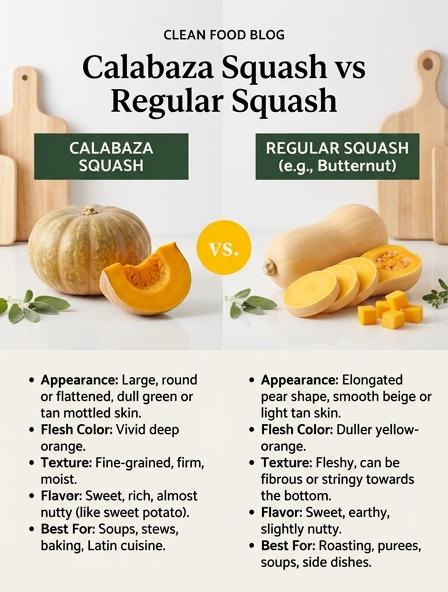
Calabaza squash, frequently referred to as West Indian pumpkin, features a profile that is notably sweeter and nuttier than your average garden squash. While it shares the smooth, buttery characteristics of butternut squash, its texture is significantly denser and less watery, allowing for a more concentrated flavor during cooking. Unlike the mild, almost neutral taste of spaghetti squash or the slightly peppery notes of acorn squash, Calabaza provides a rich, earthy sweetness that anchors savory dishes.
- Calabaza: Deeply sweet, nutty, and firm flesh.
- Butternut: Mildly sweet with a creamy, smooth finish.
- Acorn: Earthy and less sweet with subtle peppery undertones.
You might find yourself substituting Calabaza in your favorite autumn stews when you want a robust sweetness that holds its shape perfectly during a long, slow simmer.
Texture Stability of Tropical Pumpkin in Stews
When comparing Calabaza squash to regular varieties like butternut or zucchini, texture stability is the primary differentiator. Known as the tropical pumpkin, Calabaza possesses a dense, firm flesh that resists disintegrating during prolonged cooking. While many standard winter squashes dissolve into a puree-like consistency when boiled, Calabaza maintains its structural integrity even under high heat.
- Calabaza: Remains firm and chunky in long-simmered broths.
- Butternut Squash: Softens quickly and often thickens the surrounding liquid.
- Summer Squash: High water content leads to a rapid, mushy breakdown.
This starchier profile makes the tropical pumpkin superior for hearty dishes where a distinct mouthfeel is required. You will love how these golden cubes remain perfectly intact in a slow-simmered Caribbean beef stew, providing a satisfying, toothsome bite that doesn't melt away into the sauce.
Nutritional Density and Health Impact Comparison
Comparing Calabaza squash to "regular" varieties like zucchini or yellow squash highlights a significant gap in nutrient concentration. Calabaza, often categorized as a winter squash, boasts a higher density of complex carbohydrates and fiber. Its most notable health impact stems from an abundance of beta-carotene, which the body converts to Vitamin A to support immune function and ocular health.
- Calabaza Squash: Superior levels of Vitamin A, potassium, and dietary fiber.
- Regular Squash: Higher water content, lower glycemic load, and moderate Vitamin C.
While regular squash is excellent for low-calorie hydration, Calabaza provides a more sustained energy release and higher antioxidant levels. You will find that swapping common zucchini for roasted Calabaza in your Sunday meal prep provides the rich, buttery satiety needed to keep you energized and full throughout a busy work week.
Thermal Performance of Diverse Varieties During Roasting
Roasting reveals distinct thermal behaviors between Calabaza and common varieties like Butternut or Acorn squash. Calabaza, often referred to as the West Indian pumpkin, possesses a denser cellular structure and higher starch content. Consequently, it requires a higher thermal load to achieve complete softening compared to thinner-fleshed counterparts. While regular squashes tend to break down quickly under intense heat, Calabaza maintains its structural integrity longer, allowing for a deeper Maillard reaction.
- Calabaza: High heat resistance; develops a firm, caramelized exterior without collapsing.
- Regular Squash: Rapid moisture loss; reaches a "mushy" consistency faster, ideal for purees.
The difference in moisture retention means Calabaza stays succulent even after extended oven time. You will appreciate how Calabaza chunks hold their shape and deliver a rich, nutty sweetness when tossed into a high-heat harvest grain bowl or a roasted vegetable medley.
Preparation Complexity and Rind Density Factors
The primary distinction in kitchen preparation between Calabaza and common squash varieties lies in rind density. Calabaza squash features an exceptionally thick, woody exterior that demands significant physical effort and heavy-duty cutlery to penetrate safely. In contrast, "regular" varieties like zucchini possess edible skins, while butternut rinds are thin enough for standard vegetable peelers.
- Calabaza: High density; requires a cleaver or mallet to break through the armor-like shell.
- Butternut/Acorn: Medium density; easily manageable with a sharp chef's knife.
- Summer Squash: Low density; no peeling required, offering the fastest prep time.
Understanding these structural differences ensures you choose the right tool for the job to avoid kitchen accidents. You might prefer the convenience of pre-cut Calabaza chunks from the grocer when you crave its pumpkin-like sweetness but want to skip the intense workout of deconstructing a whole, iron-clad fruit at home.
Natural Sugar Levels and Sweetness in Cooking
Calabaza squash, often referred to as the West Indian Pumpkin, is distinguished by its high natural sugar content compared to common "regular" squashes. While summer varieties like zucchini are mild and savory, Calabaza offers a deep, honey-like sweetness similar to a rich butternut but with more intensity. This high concentration of complex carbohydrates breaks down during cooking, leading to superior caramelization.
| Squash Type | Sweetness Level | Primary Culinary Use |
|---|---|---|
| Calabaza | High / Nutty | Desserts, savory stews, roasting |
| Butternut | Medium / Sweet | Soups and purees |
| Zucchini | Low / Neutral | Sautéing and grilling |
Home cooks love roasting Calabaza wedges with just a pinch of sea salt, as the natural sugars bubble into a rich, mahogany glaze that tastes like a decadent treat without any added syrups.
Moisture Content and Puree Consistency Results
Understanding the hydration levels in squash is essential for achieving the perfect culinary texture. Calabaza squash typically exhibits a higher moisture content compared to traditional varieties like Butternut or Hubbard. This higher water-to-starch ratio results in a puree that is exceptionally silky and fluid, though it may require straining for dense fillings.
In contrast, regular squashes often possess a denser, more fibrous structure. The following comparison highlights the consistency differences after processing:
- Calabaza Squash: High moisture; creates a light, velvety, and pourable puree.
- Regular Squash: Moderate moisture; yields a thick, hearty, and stable mash.
During testing, Calabaza required a longer reduction time to reach a spreadable state, whereas standard winter squashes maintained their peak viscosity immediately after blending. You will appreciate the naturally smooth profile of Calabaza when you are whipping up a vibrant, refined soup that requires a luxurious mouthfeel without added heavy creams.
Storage Longevity and Pantry Stability Factors
When comparing Calabaza to regular squash varieties, shelf life is a primary differentiator. Calabaza, often called the West Indian pumpkin, is prized for its exceptionally thick, hard rind, which acts as a natural preservative against moisture loss and rot. While summer squashes are highly perishable, winter varieties and Calabaza offer significant pantry stability.
- Calabaza: Can last 6 to 9 weeks in a cool, dry pantry if kept whole.
- Common Winter Squash: Varieties like Butternut stay fresh for 2 to 3 months.
- Summer Squash: Only remains viable for about 1 week in refrigeration.
Longevity depends on maintaining consistent temperatures and airflow to prevent soft spots. Home cooks love buying a large Calabaza at the start of autumn, knowing it will sit reliably on the counter until it is time to thicken a hearty November stew.
Dietary Fiber and Caloric Impact on Nutrition
When comparing Calabaza squash to regular varieties like zucchini or yellow squash, the primary distinction lies in their nutrient density and fiber-to-calorie ratio. Calabaza, a staple West Indian pumpkin, is significantly more calorie-dense than watery summer squashes, yet it provides a superior source of dietary fiber. This fiber is essential for slowing glucose absorption and maintaining healthy gut biome function.
- Calabaza Squash: Provides roughly 40-50 calories per cup with high satiety levels due to complex carbohydrates.
- Regular Squash: Typically contains only 18-25 calories per cup, making it better for high-volume, low-calorie snacking.
While regular squash is excellent for weight-conscious volume eating, the starchier profile of Calabaza offers sustained energy release and better digestive support. Fitness enthusiasts often prefer roasting thick cubes of Calabaza as a high-fiber alternative to potatoes to fuel their evening workouts without the heavy caloric load of traditional grains.
Vitamin Content and Bioavailability in Final Dishes
When comparing Calabaza (West Indian Pumpkin) to common varieties like Butternut or Acorn squash, the nutritional density often hinges on pigment concentration. Calabaza is particularly renowned for its high Beta-carotene content, which the body converts into Vitamin A. However, the bioavailability of these nutrients depends heavily on how the dish is prepared.
- Vitamin A (Carotenoids): Fat-soluble; requires a lipid source like olive oil or coconut milk for maximum absorption.
- Vitamin C: Water-soluble and heat-sensitive; Calabaza retains more when steamed rather than boiled.
- Vitamin B6: Crucial for metabolism, found consistently in both Calabaza and traditional winter squashes.
Because cooking breaks down thick cellular walls, it actually increases the extractable antioxidants in your meal. Many home chefs prefer slow-simmering Calabaza in a traditional Caribbean "Sancocho" stew, where the healthy fats from the broth help unlock the full medicinal potential of the squash for a heart-healthy family dinner.
Calabaza Squash vs Regular Squash source and external links
- Often used in Caribbean and Latin American cuisines, Calabaza squash is a versatile winter gourd known for its firm texture and sweet, nutty flavor.
- The term regular squash encompasses a wide variety of herbaceous vines in the gourd family, including both soft-skinned summer types and hard-shelled winter varieties.