
Calabaza Squash vs Pumpkin: The Differences in Culinary Performance, Nutritional Profiles, and Preparation Efficiency.
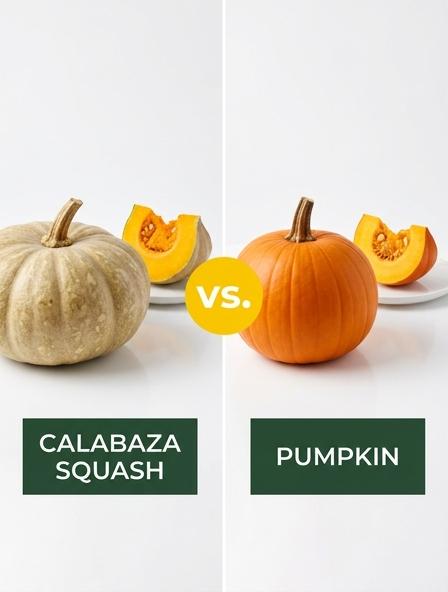
Culinary Texture and Moisture Differences in Calabaza Squash and Pumpkin
Understanding the textural nuances between Calabaza squash and traditional pumpkins is essential for achieving the perfect dish consistency. Calabaza, often referred to as the West Indian pumpkin, features a firm, fine-grained flesh that is significantly less stringy than most North American pumpkin varieties. Its lower moisture content allows it to maintain structural integrity even during intense heat applications.
| Characteristic | Calabaza Squash | Standard Pumpkin |
|---|---|---|
| Texture | Dense, smooth, creamy | Fibrous, porous, soft |
| Moisture Level | Moderate to Low | High |
While culinary pumpkins like the "Sugar Pie" variety are smooth, many common pumpkins become watery and pulpy when boiled. In contrast, the Calabaza's starch-heavy composition provides a rich, buttery mouthfeel that thickens sauces naturally. Imagine simmering a traditional Caribbean "Sopa de Calabaza" where the squash chunks remain perfectly intact and tender, rather than dissolving into a thin, watery broth as standard carving pumpkins often do.
Nutritional Profiles and Health Impacts of Calabaza Squash and Pumpkin
Both calabaza squash and pumpkins are nutritional powerhouses within the Cucurbitaceae family. They are exceptionally rich in beta-carotene, an antioxidant that the body converts into Vitamin A to support vision, skin health, and immune function. While similar, their dietary fiber and mineral concentrations offer distinct benefits.
| Nutrient Benefit | Calabaza Squash | Standard Pumpkin |
|---|---|---|
| Primary Vitamins | High Vitamin A and C | Rich in Vitamin A and K |
| Mineral Content | Excellent Potassium source | High in Copper and Iron |
| Dietary Fiber | Higher density for satiety | Supports digestive regularity |
Consuming these gourds helps reduce oxidative stress and supports heart health through high potassium levels. Because they are low in calories but high in nutrients, they are ideal for weight management and anti-inflammatory diets.
Home cooks often choose the denser, sweeter calabaza for thickening savory West Indian stews, while fitness enthusiasts prefer roasted pumpkin chunks as a low-glycemic topping for autumn salads.
Cooking Performance of Calabaza Squash and Pumpkin in Soups and Stews
When evaluating cooking performance in liquid-based dishes, texture and structural integrity are the primary differentiators. Calabaza squash is prized for its dense, firm flesh, which holds its shape exceptionally well even during prolonged simmering. Conversely, sugar pumpkins have a finer grain and higher moisture content, making them more prone to softening and naturally thickening the surrounding liquid.
- Calabaza Squash: Maintains distinct, meaty chunks and adds a nutty depth to hearty broths.
- Pumpkin: Dissolves more easily, providing a velvety consistency and a traditional, earthy sweetness.
Home cooks often reach for calabaza when preparing a chunky West Indian pepperpot stew, while they favor roasted pumpkin when the goal is a perfectly smooth, velvet-textured harvest bisque.
Flavor Concentration and Natural Sweetness in Calabaza Squash and Pumpkin
While both belong to the Cucurbitaceae family, Calabaza squash and traditional pumpkins differ significantly in their flavor depth. Calabaza, often called the West Indian pumpkin, is prized for its firm, fine-textured flesh and a sugar content that surpasses most common pumpkin varieties. Because Calabaza has a lower moisture content, its flavor remains concentrated during the cooking process, offering a rich, nutty profile similar to butternut squash but with more intensity.
- Calabaza Squash: High sweetness, dense texture, and nutty undertones.
- Pie Pumpkins: Mildly sweet, earthy, and smooth when pureed.
- Carving Pumpkins: Stringy, watery, and largely flavorless.
Home cooks often prefer roasting chunks of Calabaza with olive oil and sea salt, as the high natural sugar levels caramelize into a golden crust that makes it a savory-sweet favorite in Caribbean and Latin American autumn harvests.
Storage Longevity and Rind Characteristics of Calabaza Squash and Pumpkin
The primary physical distinction between calabaza squash and pumpkins lies in their protective outer shells. Calabaza squash is renowned for its exceptionally hard, woody rind that often requires a heavy knife or even a mallet to penetrate. This thick armor acts as a superior preservative, allowing the squash to remain fresh for three to six months when kept in a cool, dry place. Conversely, most culinary pumpkins possess a thinner, more porous, and ribbed skin that is more susceptible to bruising and moisture loss, typically resulting in a shorter shelf life of one to two months.
- Calabaza: Thick, smooth, and mottled green or tan rind; highly resistant to rot.
- Pumpkin: Thinner, orange, ribbed skin; prone to softening over time.
For a reliable pantry staple during the off-season, many home cooks prefer stocking up on calabaza to ensure they always have a base for hearty Caribbean stews without worrying about immediate spoilage.
Vitamin A and Antioxidant Density in Calabaza Squash and Pumpkin
Both calabaza squash and pumpkins are nutritional powerhouses, particularly celebrated for their high concentrations of beta-carotene, which the body converts into Vitamin A. While traditional pumpkins offer excellent antioxidant support, calabaza squash often features a denser nutrient profile and more intense flavor due to its lower water content and firmer texture.
These gourds provide essential phytonutrients that protect cells from oxidative stress. Key nutritional highlights include:
- Vitamin A: Crucial for maintaining healthy vision and robust immune function.
- Beta-carotene: A potent antioxidant that provides the characteristic deep orange pigment.
- Lutein and Zeaxanthin: Specific carotenoids that support long-term eye health and skin integrity.
You might prefer roasting calabaza chunks for a hearty, nutrient-dense harvest bowl, while using pumpkin purée for a classic, antioxidant-rich autumn soup.
Roasting Results and Flesh Consistency of Calabaza Squash and Pumpkin
The culinary performance of calabaza squash and pumpkin differs significantly once they hit the oven. Calabaza is prized for its dense, firm flesh that maintains its integrity during high-heat roasting, resulting in a buttery, fine-grained texture. Conversely, standard pie pumpkins tend to have a higher water content and a more fibrous, stringy consistency that breaks down into a soft, earthy mash.
- Calabaza Squash: Offers a smooth, non-fibrous mouthfeel with deep caramelization.
- Pumpkin: Yields a lighter, grainier pulp that often requires straining for smooth purees.
While pumpkins provide that classic autumnal aroma, calabaza's natural sweetness and moisture create a superior, custard-like finish without becoming watery. You can roast cubed calabaza with sage and brown butter for a sophisticated side dish that holds its shape perfectly on the dinner plate, unlike the softer texture of traditional pumpkin.
Preparation Time and Peeling Efficiency for Calabaza Squash and Pumpkin
When comparing kitchen efficiency, the physical structure of these gourds dictates the labor involved. Calabaza squash is known for its exceptionally hard, thick rind that typically defies standard vegetable peelers, often requiring a heavy chef's knife or cleaver to navigate. Conversely, culinary pumpkins like the Sugar Pie variety have thinner skins, yet they require more time for "gutting" due to their large, fibrous seed cavities.
- Calabaza: Its dense, solid flesh means less time spent scooping out pulp, but more effort in initial skin removal.
- Pumpkin: The hollow center allows for quick deseeding, though the skin is most efficiently removed after roasting rather than while raw.
Home cooks often prefer purchasing pre-cut wedges of Calabaza at the market to bypass the heavy-duty chopping and get straight to simmering a rich, velvety Caribbean pumpkin soup on a busy weeknight.
Visual Presentation and Flesh Color of Calabaza Squash and Pumpkin in Dishes
While both vegetables share a warm autumnal palette, their visual impact in culinary applications varies based on density and pigmentation. Calabaza squash is prized for its vibrant, deep orange flesh that maintains a saturated hue even after high-heat cooking. In contrast, common field pumpkins often feature a lighter, more fibrous yellow-orange interior that can appear muted or watery when processed.
The following characteristics define their appearance in a finished meal:
- Calabaza: Dense, firm texture that keeps its clean-cut edges in liquid-based dishes.
- Pumpkin: Often more porous and stringy, leading to a softer, more blended silhouette.
- Color Consistency: Calabaza stays bright; pumpkin tends to darken into a brownish-amber tone.
Home cooks often prefer the Calabaza for authentic West Indian stews, where its brilliant orange chunks create a stunning visual contrast against earthy lentils and pale root vegetables.
Dietary Fiber and Caloric Density of Calabaza Squash and Pumpkin Meals
Comparing calabaza squash and pumpkin reveals two nutritional powerhouses that are remarkably low in calories yet rich in essential fiber. Both vegetables are excellent for weight management because their high water content creates a low caloric density, allowing for larger, more satiating portions. While a standard pumpkin offers roughly 26 calories per 100g, calabaza is slightly more calorie-dense but provides a heartier, creamier texture.
- Pumpkin: Ideal for high-volume, low-calorie meals with approximately 0.5g to 2g of fiber per serving.
- Calabaza Squash: Offers a denser nutrient profile and slightly higher fiber content, promoting better digestive regularity.
The soluble fiber found in these gourds helps stabilize blood sugar levels and prolongs the feeling of fullness after a meal. Home cooks often swap traditional pumpkin for roasted calabaza in autumn salads to provide a more satisfying, nutty bite that keeps guests full until dessert.
Calabaza Squash vs Pumpkin source and external links
- Calabaza is a firm-fleshed winter squash widely used in Caribbean and Latin American cuisine for its sweet, nutty flavor. Read more about Calabaza squash.
- A pumpkin is a round, orange variety of winter squash frequently used for both culinary pies and festive autumn decorations. Learn more about the pumpkin.