
Button Mushroom vs White Mushroom : Are They The Same? Cooking Performance, Nutritional Value, and Flavor Profiles
Nutrient Density and Health Benefits of Common Cultivated Varieties
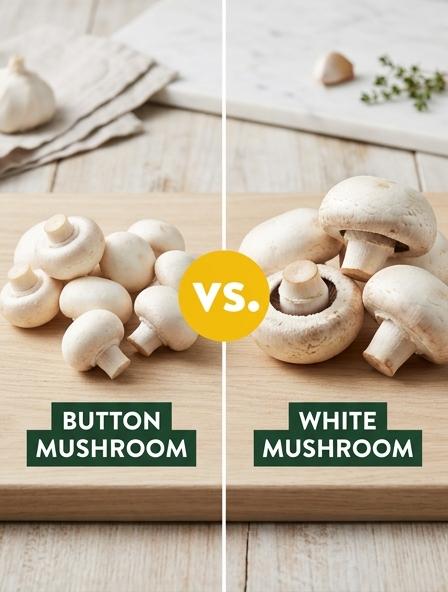
While often labeled differently in grocery stores, button mushrooms and white mushrooms are actually the same variety of Agaricus bisporus. These fungi are prized for their impressive nutrient density, providing significant health benefits while remaining low in calories and fat. They serve as an excellent source of essential micronutrients that support metabolic health and immune function.
- B-Vitamins: Rich in riboflavin, niacin, and pantothenic acid for energy production.
- Selenium: A powerful antioxidant that helps protect cells from damage and supports thyroid function.
- Potassium: Aids in maintaining healthy blood pressure and nerve signaling.
Health-conscious cooks frequently use these versatile mushrooms as a "swap-out" for meat, finely dicing them into taco fillings or burger patties to add a rich, savory umami flavor while significantly reducing the overall calorie count of the meal.
Variations in Texture and Firmness During High Heat Cooking
While button mushrooms and white mushrooms are often different names for the same Agaricus bisporus species, their maturity at the time of harvest affects their performance under high heat. Smaller button mushrooms possess a more compact cell structure and lower moisture content than their larger counterparts. When subjected to intense heat, these mushrooms maintain a resilient, snappy texture, resisting the tendency to become mushy.
- Button Mushrooms: Retain a firm, rubbery bite that holds up well in rapid stir-frys.
- White Mushrooms: Feature a slightly softer cap that caramelizes quickly as surface moisture evaporates.
Both varieties excel when cooked fast to induce the Maillard reaction, which enhances their savory umami profile. Home cooks often prefer tossing whole button mushrooms into a screaming-hot cast iron skillet with garlic butter to achieve a deep golden crust while keeping the centers remarkably juicy and firm.
Biological Similarities and Scientific Classification
In the world of mycology, button mushrooms and white mushrooms are not just similar-they are biologically identical. Both belong to the species Agaricus bisporus. The distinction in their names is purely a result of marketing and regional terminology rather than any taxonomic difference. These mushrooms represent the immature, white-capped stage of the fungus before it matures into cremini or portobello varieties.
Scientifically, they are classified under the following hierarchy:
- Kingdom: Fungi
- Division: Basidiomycota
- Family: Agaricaceae
- Genus/Species: Agaricus bisporus
Because they share the exact same DNA, they provide identical nutritional benefits, including B vitamins and selenium. Home cooks love tossing these versatile gems into a morning omelet or a creamy pasta sauce for a subtle, earthy boost that complements almost any savory dish.
Moisture Content and Its Impact on Browning in the Pan
Button mushrooms, which are the same species as white mushrooms, are composed of approximately 92% water. This high moisture content is the primary obstacle to achieving a perfect golden-brown sear. When heat is applied, the mushroom's cellular structure collapses, releasing liquid into the pan. If the pan is overcrowded, this liquid creates a "steaming effect" that prevents the temperature from rising high enough to trigger the Maillard reaction.
To ensure effective browning, consider these factors:
- Evaporation Rate: High heat is necessary to evaporate moisture as soon as it is released.
- Surface Area: Slicing mushrooms increases surface area but also releases water faster.
- Salt Timing: Adding salt early draws out water, making browning more difficult.
Home chefs love searing these mushrooms in a wide, hot cast-iron skillet to create a crisp, umami-rich crust that provides the perfect earthy contrast to a creamy risotto or a grilled steak.
Storage Longevity and Freshness Indicators for Everyday Cooking
White mushrooms and button mushrooms are essentially the same variety at the same growth stage, meaning their storage requirements are identical. To maximize longevity, keep them in their original breathable packaging or a brown paper bag in the refrigerator. This prevents moisture buildup, which is the primary cause of sliminess.
- Texture: Fresh mushrooms should feel firm and plump, not spongy.
- Appearance: Look for smooth, bright white caps without dark bruising.
- Gills: The veils under the cap should be tightly closed for peak freshness.
Typically, these mushrooms stay fresh for five to seven days. Avoid washing them until immediately before use, as their porous structure absorbs water and accelerates decay. You can enjoy these firm, earthy caps sliced thinly into a fresh garden salad or sautéed with butter and thyme for a classic steakhouse side dish.
Umami Concentration and Flavor Development in Savory Dishes
In the culinary world, button mushrooms and white mushrooms are essentially the same immature Agaricus bisporus. Their mild, earthy profile is a primary source of umami concentration, the savory "fifth taste" derived from naturally occurring glutamates. Because these mushrooms have high water content, flavor development depends heavily on moisture reduction. When heat is applied, the cells break down, concentrating the savory compounds and triggering the Maillard reaction.
- Sautéing: High heat removes water, intensifying the mushroom's natural earthiness.
- Roasting: Concentrates sugars and amino acids for a "meaty" depth.
- Deglazing: Incorporating liquids like wine captures fond, the flavorful browned bits left in the pan.
You can transform a basic white mushroom into a gourmet highlight by pan-searing them in brown butter until they achieve a deep golden crust, providing that rich, savory pop people crave in a classic steakhouse side dish.
Visual Presentation and Shape Retention in Stews
In the culinary world, the distinction between button mushrooms and larger white mushrooms often comes down to maturity. Button mushrooms are harvested early, ensuring a closed cap and firm texture that excels in slow-cooking environments. Their compact size allows them to be served whole, which is essential for maintaining a high-end visual appeal in hearty dishes.
- Structural Integrity: Small buttons resist breaking down better than sliced mature mushrooms.
- Aesthetic Uniformity: Whole mushrooms provide a consistent, gourmet look in rustic liquids.
- Texture: The dense flesh retains a "snap" even after hours of simmering.
You will appreciate this shape retention when serving a classic coq au vin, where the whole button mushrooms remain distinct, glossy jewels amidst the wine sauce rather than disappearing into the base.
Vitamin Profiles and Dietary Impact on Family Meals
Button mushrooms and white mushrooms are essentially identical, both belonging to the Agaricus bisporus species at its youngest growth stage. For families, these fungi serve as an affordable powerhouse of essential nutrients. They are particularly rich in B vitamins like Riboflavin (B2) and Niacin (B3), which support energy metabolism and cognitive function in both children and adults.
- Vitamin D: Crucial for bone health and immune support.
- Selenium: A potent antioxidant that protects cells from oxidative stress.
- Potassium: Aids in maintaining healthy blood pressure levels across the household.
Incorporating these mushrooms into weekly rotations enhances the dietary density of meals without adding significant calories. Their mild, umami flavor makes them a versatile "chameleon" ingredient that blends seamlessly into various cuisines, ensuring even picky eaters receive vital minerals. You can finely mince them into a Sunday night bolognese or a turkey meatloaf, adding savory depth and a nutritional boost that your family will genuinely enjoy.
Physical Sizing and Practical Use in Different Recipes
In the culinary world, button mushrooms and white mushrooms are interchangeable terms for the same immature growth stage of Agaricus bisporus. These mushrooms are typically harvested when they are one to two inches wide, featuring a smooth, rounded cap and a short stem. Their uniform sizing is a practical advantage for chefs, ensuring consistent cooking times across various dishes.
- Slicing: Ideal for topping pizzas or tossing into fresh garden salads.
- Whole: Perfect for pickling or air-frying as bite-sized appetizers.
- Dicing: Frequently used as a moisture-rich meat extender in burgers or bolognese.
Many home cooks enjoy sautéing these mushrooms in a hot pan with garlic and thyme, serving them over a juicy steak to add a rich, umami depth that perfectly complements the meat.
Aromatic Absorption and Culinary Performance in Sauces
While the terms are often used interchangeably, both button and white mushrooms excel in liquid-heavy dishes due to their unique cellular structure. These mushrooms act as culinary sponges, featuring a porous texture that is ideal for aromatic absorption. During the cooking process, they release their internal moisture, which is then replaced by the fats, wines, and herbs present in your sauce base.
- High Porosity: Efficiently pulls in deglazed liquids like balsamic vinegar or sherry.
- Flavor Synergy: Their mild profile amplifies the presence of garlic, shallots, and thyme.
- Texture Retention: They maintain a soft yet resilient bite, even when simmered in heavy cream or broths.
You might find these particularly effective when preparing a classic creamy stroganoff, where the mushrooms soak up the rich, savory gravy to provide a burst of concentrated flavor in every mouthful.
Button Mushroom vs White Mushroom source and external links
- The Button Mushroom is the most widely cultivated and consumed edible fungus in the world, prized for its mild flavor.
- Commonly found in grocery stores, the White Mushroom represents the immature harvest stage of the Agaricus bisporus species.
Button mushrooms and white mushrooms are identical, both representing the immature stage of the Agaricus bisporus species. Characterized by a mild, earthy flavor profile, these versatile fungi are culinary essentials that excel at absorbing surrounding seasonings. While their high water content results in shrinkage during cooking, their performance in sautéed dishes and stews remains superior due to their tender texture. Nutritionally, they are a low-calorie powerhouse, rich in B vitamins, selenium, and potassium, which support immune function. In conclusion, whether labeled as "white" or "button," these mushrooms offer the same impressive health benefits and culinary flexibility. Their affordability and subtle umami depth make them an indispensable ingredient for health-conscious cooks seeking to enhance both the flavor and nutritional density of their everyday meals.